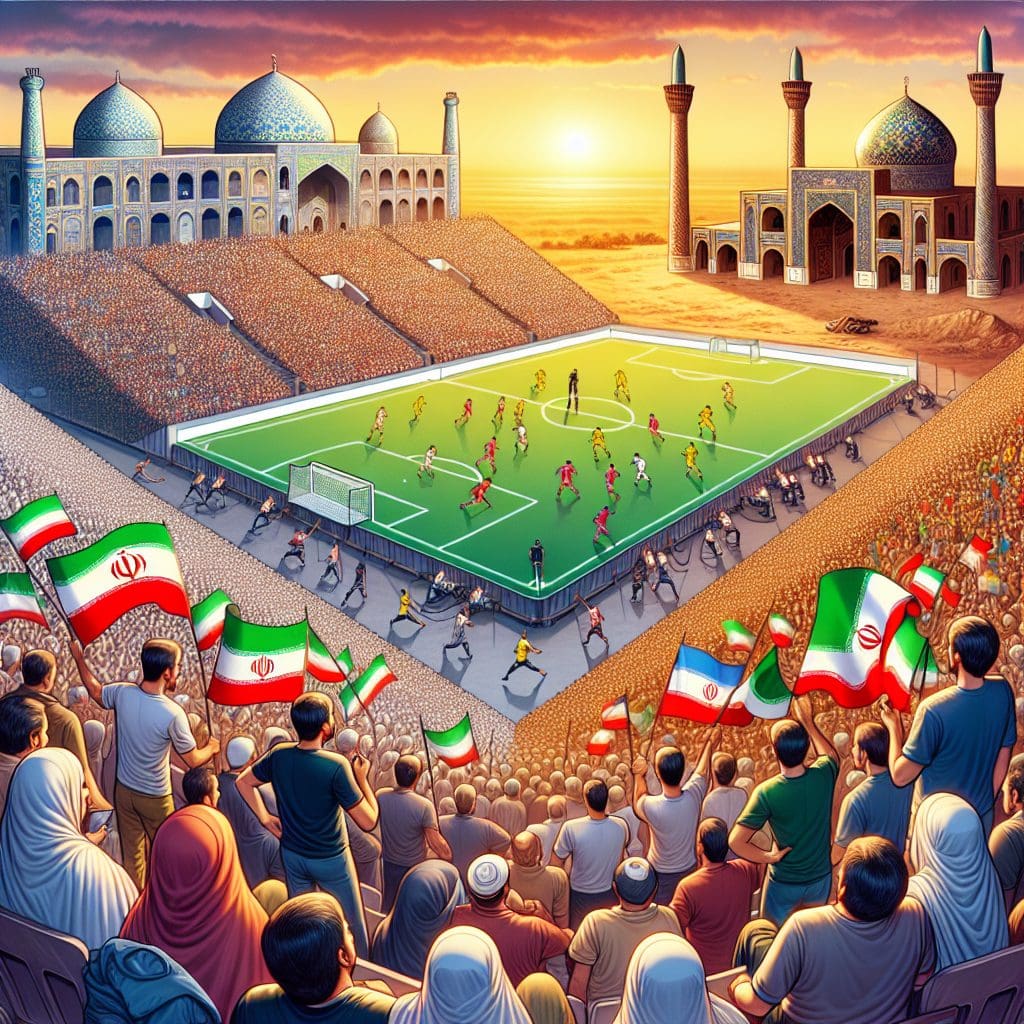

The interplay between geopolitical factors and conflict in Iran has significant implications for various sectors, including sports fandom. In recent years, economic sanctions, political instability, and social unrest have deeply affected the country’s sports landscape, resulting in rising costs for fans.
Economic sanctions, largely driven by Iran’s nuclear program and regional policies, have placed immense pressure on the economy. As a result, inflation has surged, leading to increased prices for everyday goods, including sporting events and merchandise. Fans previously enthusiastic about attending matches or purchasing team paraphernalia are now faced with exorbitant costs that can be prohibitive for many. Consequently, the cost of being a sports fan in Iran has escalated, often leading to a decline in participation at live events.
Moreover, the political landscape in Iran plays a crucial role in shaping fan experiences. Protests and governmental crackdowns on civil liberties have created an atmosphere of uncertainty. Sports events, particularly popular ones like soccer matches, have become venues for expressing dissent. This has not only affected fan attendance but also led to a heightened risk for those who do choose to participate. The atmosphere surrounding these events has changed; many fans must navigate the dual challenge of supporting their teams while being aware of geopolitical tensions and potential repercussions.
Additionally, the state’s involvement in sports can complicate the fandom experience. The Iranian government often utilizes sports as a means of propaganda to promote national pride, especially during international competitions. However, this manipulation can alienate fans who see through the façade. The increasing commercialization of sports in Iran has also resulted in higher prices for tickets and merchandise, often disconnecting fans from the true essence of the sport. With teams increasingly relying on wealthy sponsors and investor interest, the gap between ordinary fans and the affluent is widening.
On a broader scale, the conflict in the region exacerbates these issues. Regional tensions can lead to boycotts or cancellations of matches, disrupting local leagues and diminishing fan engagement. Economic instability triggered by conflict further contributes to rising costs, making it difficult for fans to justify spending money on sports, especially amidst competing financial pressures.
In summary, the impact of geopolitical factors and conflict in Iran significantly influences the rising costs associated with sports fandom. Economic sanctions, political instability, and the government’s involvement in sports all contribute to an environment where fanaticism is often hindered by financial constraints and social unrest. As a result, the passion for sports that once brought communities together faces serious challenges in today’s landscape.
For more details and the full reference, visit the source link below: