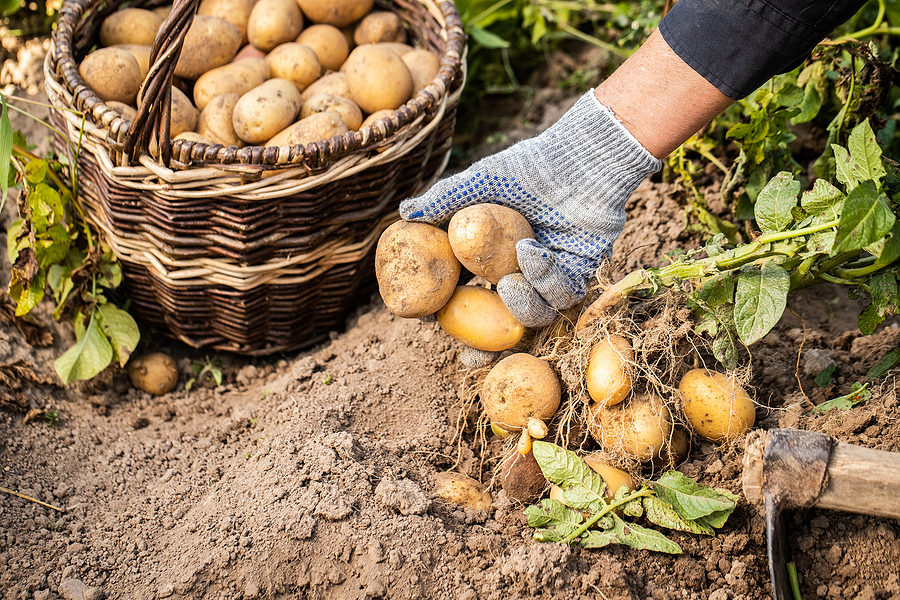

The Importance of Fresh Ingredients in Cooking
The culinary world is a vibrant tapestry woven together by flavors, aromas, and textures, all of which heavily depend on the quality of ingredients used. At the heart of any exceptional dish lies the freshness of its ingredients. The importance of fresh ingredients in cooking cannot be overstated; they significantly enhance both the flavor and nutritional value of meals, thereby elevating the overall dining experience.
First and foremost, fresh ingredients are pivotal for achieving optimal flavor. Freshness often translates directly to taste; for instance, a ripe tomato picked at the peak of summer offers a sweetness and acidity that cannot be replicated by canned or out-of-season varieties. Herbs, when used fresh, release essential oils that deliver aromatic notes, adding depth to dishes. In contrast, dried or old herbs can taste flat and lifeless. This principle applies universally across all food groups; fresh, seasonal produce retains the vibrant flavors that make cooking enjoyable and exciting.
Moreover, using fresh ingredients contributes to improved nutrition. Fresh fruits and vegetables are packed with vitamins, minerals, and antioxidants, which can degrade over time. Consuming fresh produce ensures that you are reaping the maximum health benefits. For instance, fresh greens like spinach or kale offer higher levels of nutrients when they are used shortly after being harvested. This not only benefits the individual in terms of health but also encourages a more mindful cooking practice, as it fosters a connection to the food being prepared.
Fresh ingredients also encourage creativity in cooking. When using seasonal produce, chefs and home cooks alike are inspired to adapt recipes based on what is available. This flexibility allows for the exploration of new flavors and techniques, making cooking a delightful adventure. Freshness often necessitates cooking with what is locally available, thereby fostering a sustainable food culture. It promotes the use of local farms and markets, supporting community relationships and reducing the carbon footprint associated with food transportation.
Another crucial aspect of fresh ingredients is their role in food safety. Cooking with fresh produce reduces the risks of foodborne illnesses. Fresh ingredients are less likely to harbor harmful bacteria if handled and prepared properly, as opposed to aged products, which may pose health risks.
In conclusion, the importance of fresh ingredients in cooking encompasses flavor, nutrition, creativity, and safety. By prioritizing fresh produce, cooks can create dishes that delight the senses while also being health-conscious. Embracing fresh ingredients not only leads to better meals but also encourages a more sustainable and enjoyable cooking experience. Whether you’re a seasoned chef or a home cook, the commitment to using fresh ingredients opens doors to a world of culinary possibilities.
For more details and the full reference, visit the source link below: