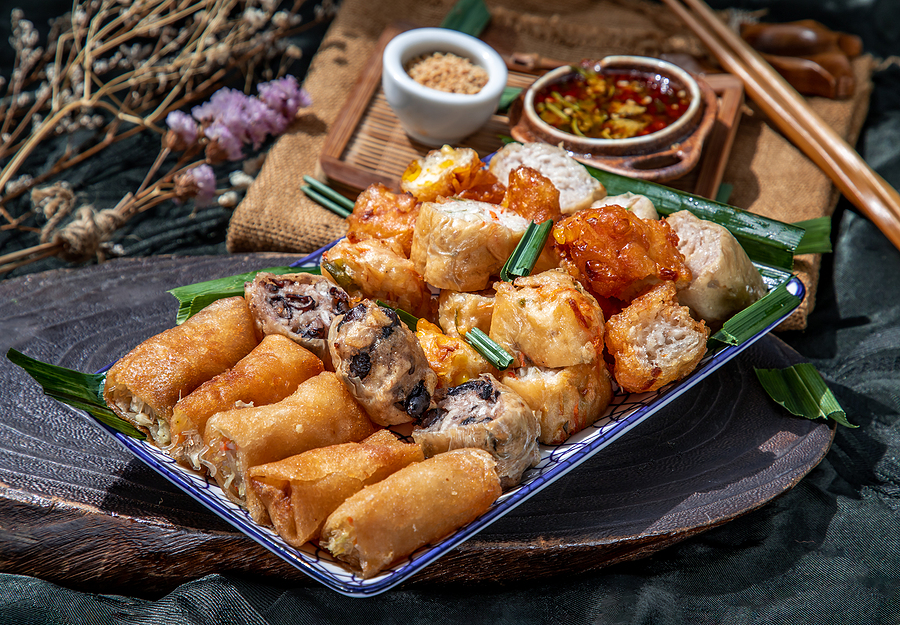

Deep-fried foods have a rich history that dates back thousands of years, rooted in diverse culinary traditions across the globe. While the exact origin of deep frying remains ambiguous, evidence suggests that the practice likely began in ancient cultures where food preservation and cooking techniques were essential for survival.
The earliest known instances of frying food can be traced back to around 2500 BCE in ancient Egypt, where foods such as fish and bread were fried in oil. This technique not only enhanced flavors but also helped in preserving food by sealing in moisture and creating a barrier against spoilage. The Egyptian use of oil might have influenced neighboring cultures, as it laid the groundwork for deep-frying practices throughout the Mediterranean.
In Ancient Greece, frying was a common cooking practice, and the Greeks created some of the first recipes for deep-fried delicacies such as “laganon,” a dish made from fried dough strips. The Romans followed suit, blending Greek culinary techniques with their own, frying diverse foods from fish to pastries. The Romans enjoyed deep-fried foods significantly during celebrations and feasts, indicating the dish’s growing popularity.
As trade routes expanded throughout the Middle Ages, the introduction of new ingredients—like sugar and spices from Asia—intertwined with local culinary practices. In this context, deep-frying found its way to various European countries, where it became an integral part of gastronomic traditions. In Italy, for instance, the technique birthed classic dishes like zeppole (fried dough balls) and arancini (fried rice balls).
When European colonizers and traders ventured abroad, they brought deep-frying along with them—seeing it as both a practical and palatable way to prepare foods. In the Americas, Native American tribes used the technique to fry maize, while European settlers adapted it to create iconic dishes such as fried chicken and doughnuts.
By the 19th century, with advancements in technology and the emergence of commercial kitchens, deep-fried foods gained even more traction. The invention of the deep fryer made the process more efficient, allowing restaurants to serve large quantities quickly. In contrast, the rise of fast food in the 20th century revolutionized the deep-frying landscape, with chains like McDonald’s and KFC popularizing items like French fries and fried chicken.
Today, deep-fried foods are enjoyed universally, from the street stalls of Southeast Asia to fine dining establishments, showcasing the technique’s versatility and appeal. While health trends have led to some scrutiny of fried foods, they continue to be cherished for their crispy texture and rich flavors, firmly establishing deep frying as an enduring cooking method across cultures.
For more details and the full reference, visit the source link below:
Read the complete article here: https://stlouisrestaurantreview.com/origins-of-deep-fried-foods/