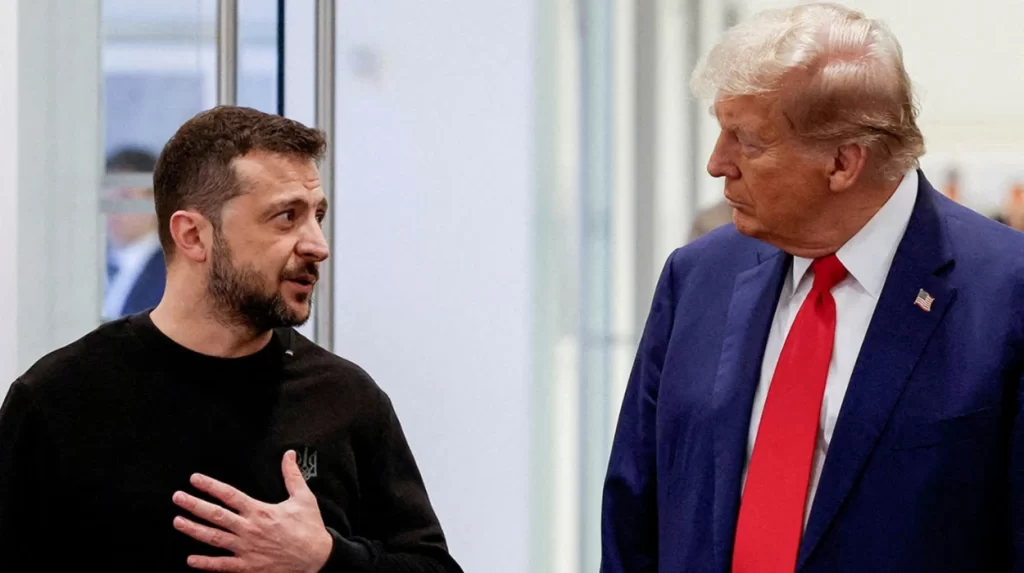

The Trump administration’s exploration of a Ukraine Peace Council initiative reflects a significant shift in the U.S. approach to international diplomacy and conflict resolution. Amidst the ongoing tensions between Ukraine and Russia, this initiative aimed to foster dialogue and negotiations to achieve a lasting peace in the region.
President Donald Trump, known for his unconventional approach to foreign policy, recognized the need to address the escalating conflict that had resulted in thousands of casualties and widespread humanitarian crises in Ukraine. The initiative was pitched as a platform where representatives from Ukraine, Russia, and other key stakeholders could engage in meaningful discussions to address underlying issues and grievances.
One of the driving forces behind the formation of the Ukraine Peace Council was the U.S. recognition of the vital role that stable relations play in ensuring European security. The U.S. had been a vocal supporter of Ukraine’s sovereignty since the annexation of Crimea by Russia in 2014 and sought to bolster Ukraine’s position on the global stage. However, the Trump administration’s approach diverged from traditional methods, leaning more towards direct engagement rather than relying solely on sanctions and other punitive measures.
The proposed council aimed to bring together diplomats, military officials, and civil society representatives to create an inclusive dialogue framework. This would not only allow for a more comprehensive understanding of the conflict but also provide an avenue for grievances to be aired and resolved collaboratively. The initiative emphasized the importance of addressing economic, social, and political dimensions of the conflict, recognizing that a sustainable peace would require more than just a ceasefire.
However, the initiative faced skepticism from various quarters. Critics argued that the Trump administration’s emphasis on personal diplomacy and informal channels could undermine established diplomatic protocols and potentially marginalize important stakeholders. Moreover, concerns arose regarding the administration’s overall commitment to supporting Ukraine against Russian aggression, especially in light of Trump’s controversial statements and interactions with Russian President Vladimir Putin.
Despite these challenges, the Ukraine Peace Council initiative underscored a transformative moment in U.S. foreign policy—one that sought to blend traditional diplomatic practices with innovative, grassroots approaches. If successful, it could set a precedent for addressing other intractable conflicts around the world. Moreover, it would reaffirm the U.S. commitment to democratic processes and territorial integrity, creating a foundation for stability in Eastern Europe.
In conclusion, the Trump administration’s exploration of a Ukraine Peace Council initiative represented a pivotal moment in international diplomacy. While ambitious, its success hinged on the ability to navigate complex relationships and foster an inclusive dialogue that could lead to lasting peace in the region.
For more details and the full reference, visit the source link below: