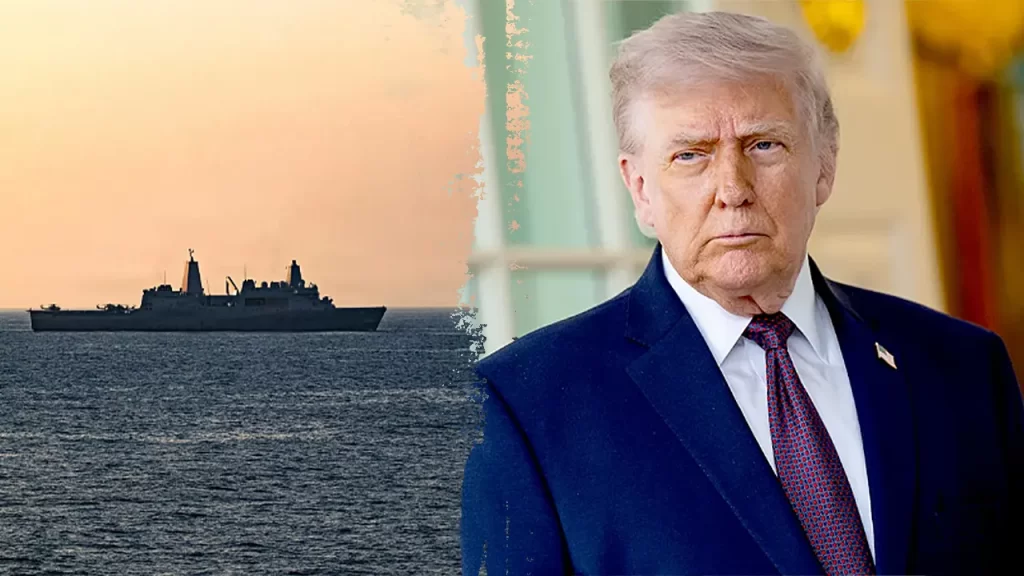

Trump Opens Strait of Hormuz with ‘Project Freedom’: A New Era of Energy Security
In a bold move that has caught global attention, former President Donald Trump announced the initiation of ‘Project Freedom,’ aimed at ensuring the safe passage of oil and trade through the Strait of Hormuz. This strategic channel hosts a significant portion of the world’s oil trade and has long been a geopolitical focal point due to its location and importance. Below, we delve into the implications of this project, its necessity, and the accompanying international response.
The Importance of the Strait of Hormuz
The Strait of Hormuz is one of the world’s most crucial waterways, connecting the Persian Gulf to the Gulf of Oman and further to the Arabian Sea. Approximately 20% of the world’s oil transits through this maritime narrow, making it a strategic lifeline for global energy supplies. The importance of maintaining security and stability in this region cannot be overstated, as tensions often impact oil prices and economic stability both regionally and globally.
Goals of ‘Project Freedom’
Enhancing Security
The primary goal of ‘Project Freedom’ is to enhance security in the Strait of Hormuz. By increasing naval presence and establishing cooperative measures with regional allies, the project seeks to ensure a secure passage for commercial vessels. This initiative aims not only to protect oil tankers but also to reinforce the overall safety of maritime navigation in one of the world’s busiest shipping lanes.
Economic Empowerment
Another essential aspect of ‘Project Freedom’ is economic empowerment. By securing the passage, the initiative is poised to stabilize oil prices, which directly affects global economic stability. Reducing fears of disruption can encourage investment in energy markets and related sectors, fostering growth in economies reliant on oil exports and imports alike.
Environmental Considerations
While primarily focused on maritime security, ‘Project Freedom’ also includes provisions for addressing environmental concerns. With increased shipping traffic comes the risk of oil spills and other ecological disasters. This initiative emphasizes sustainable practices and aims to create protocols that ensure environmental protection during operations.
International Response and Reactions
Support from Allies
Many U.S. allies in the region have welcomed ‘Project Freedom.’ Countries such as Saudi Arabia, the United Arab Emirates (UAE), and Bahrain have expressed their support, seeing the project as a vital measure to ensure a stable energy market. Collaborative efforts are expected between these nations and the U.S. to bolster naval resources and intelligence-sharing efforts.
Tensions with Adversaries
Conversely, adversarial states like Iran have responded with heightened rhetoric. Iran has often threatened to block the Strait of Hormuz in retaliation against U.S. sanctions. The initiation of ‘Project Freedom’ has led to warnings from Iranian officials, indicating potential military confrontations in response to perceived foreign encroachment in their sphere of influence. This aspect emphasizes the delicate balance of power in the region and the potential for conflict escalation.
Historical Context
Past Incidents in the Strait
Historically, the Strait of Hormuz has been a hotspot for maritime confrontations. Incidents include the 1980s Tanker War during the Iran-Iraq War and more recent confrontations involving drone attacks on oil tankers. ‘Project Freedom’ aims to mitigate the chances of such escalations by establishing collaborative defense mechanisms and predictive analytics to anticipate threats.
U.S. Engagement in the Region
The U.S. has a long history of military and diplomatic engagement in the Persian Gulf, stemming from the need to protect its economic interests and maintain stability. The launch of ‘Project Freedom’ is the latest chapter in this ongoing commitment, reflecting the American approach to securing energy routes and supporting allied nations against hostile actions.
Strategic Military Considerations
Naval Deployment
The execution of ‘Project Freedom’ involves the deployment of additional naval assets, including advanced surveillance technologies like drones and underwater drones to enhance monitoring capabilities in the Strait. Joint military exercises with allies will not only demonstrate power but also foster collaboration and readiness for potential contingencies.
Cybersecurity Measures
Cybersecurity has also become a focal point in modern military strategies. With the increasing threat of cyber-attacks targeting critical infrastructure, ‘Project Freedom’ integrates cybersecurity protocols to safeguard vital data and systems. Ensuring the security of navigational systems and maritime logistics is paramount for operational success.
Economic Implications
Impact on Global Oil Prices
The establishment of security in the Strait of Hormuz through ‘Project Freedom’ is likely to mitigate the volatility of oil prices, bringing reassurance to markets. Stability in this region can facilitate smoother operations for oil-importing nations, reducing the risks associated with supply chain disruptions.
Encouraging Investments
A secure passage will encourage not only existing investments in oil markets but also attract new ventures in renewable energy sectors. Stakeholders are likely to exhibit renewed confidence in ambitious projects due to the predicted stability in energy markets, resulting in a diversified energy portfolio globally.
Future Outlook
Long-term Geopolitical Stability
The long-term success of ‘Project Freedom’ remains to be seen. However, if implemented effectively, it has the potential to pave the way for greater geopolitical stability in the region, which will benefit all stakeholders involved. Long-term cooperation among nations could foster dialogue over contentious issues, encouraging negotiations and reducing hostilities.
Role of Diplomacy
While military assets play a critical role, diplomacy will be essential in ensuring lasting peace. Engaging regional powers in conversation while addressing their concerns will be crucial in fostering a cooperative environment.
Conclusion
Donald Trump’s announcement of ‘Project Freedom’ marks an ambitious and strategic initiative aimed at securing the significant maritime artery of the Strait of Hormuz. Its success will largely depend on international collaboration, effective military deployment, and proactive diplomatic engagement. As global stakeholders watch closely, ensuring a secure and stable Strait of Hormuz will not only serve the interests of the United States but also those of the world economy as a whole. Through this project, we may very well witness a new era of energy security and geopolitical stability in a historically tumultuous region.
This article is crafted with SEO optimization in mind, incorporating relevant keywords while maintaining an informative and engaging tone. If you’d like further adjustments or a focus on specific keywords, let me know!