
Trump Outlines Next Phase of Iran War in National Address: Key Highlights and Implications
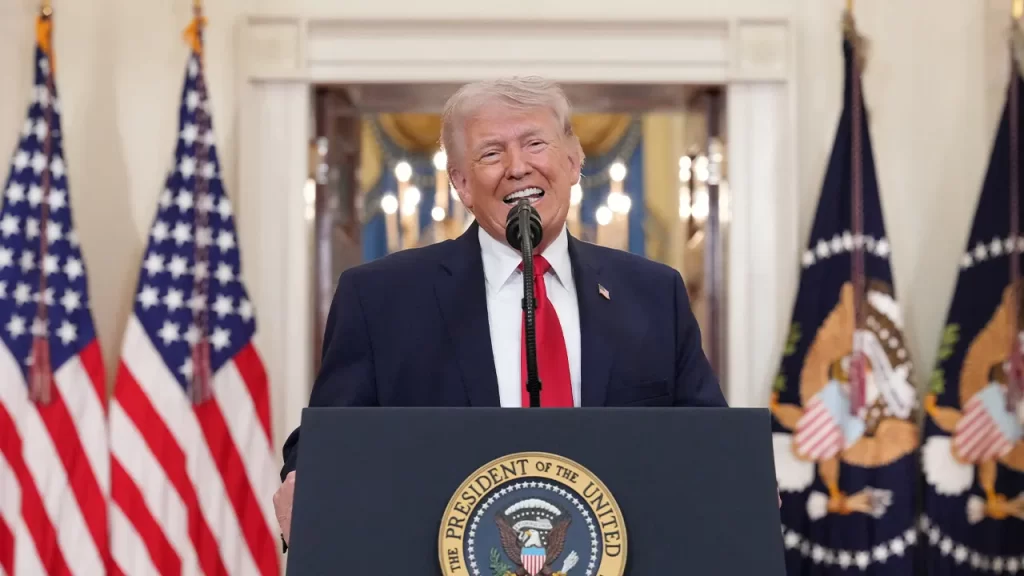
In a highly anticipated national address, former President Donald Trump outlined his vision for the next phase of the Iran conflict, sparking intense discussions across political and military circles. As global tensions rise, the implications of Trump’s statements could significantly affect diplomatic relations, military strategies, and regional stability.
Key Takeaways from Trump’s Speech
1. Emphasis on Strength and Deterrence
One of the critical themes in Trump’s address was the need for a robust military presence in the Middle East. He stated, “To ensure peace, we must project strength.” This approach aligns with his administration’s past policies, which favored a strong military posture to deter Iranian aggression.
2. Coalition Building
Trump stressed the importance of forming coalitions with regional allies. “We will work together with our allies to counter Iranian influence,” he asserted. This indicates a potential revival of partnerships with nations like Israel, Saudi Arabia, and the United Arab Emirates, aiming to create a united front against Iran.
3. Sanction Strategies
The former president reiterated his administration’s commitment to economic sanctions aimed at crippling Iranians’ ability to finance militant activities. He mentioned, “We will impose the toughest sanctions ever seen against the Iranian regime.” The effectiveness of these sanctions remains a topic of debate, but they form a crucial part of Trump’s strategy.
Audience Reactions: Bipartisan Perspectives
Support from Republican Lawmakers
Many Republican lawmakers expressed support for Trump’s stance, viewing it as a necessary measure to counter Iran’s regional ambitions. Senator Lindsey Graham commented, “We need to show the world we are serious about our commitments.” This sentiment echoes the GOP’s ongoing narrative of maintaining a hardline approach toward Iran.
Critique from Democrats
Conversely, Democrats have raised concerns about escalating tensions. Congressman Adam Smith remarked, “We must seek diplomacy, not war.” This highlights a fundamental divide in strategies concerning Iran, where diplomacy is often considered a more prudent approach to avoiding military conflict.
The Broader Implications: Global Tensions and Stability
1. Iranian Response
Iran’s reaction to Trump’s address will be closely monitored. Tehran has historically responded to perceived threats with both rhetoric and action, and a more confrontational stance from the U.S. could lead to increased military provocations in the region.
2. Impact on Oil Markets
Instability in the Middle East often leads to fluctuations in oil prices. As Trump calls for heightened military readiness, markets may react to potential conflicts that could disrupt oil supplies, further impacting global economies.
3. Economic Ramifications
Economic sanctions can have far-reaching economic consequences not only for Iran but also for countries that rely on Iranian oil. Secondary sanctions could potentially isolate countries that continue to trade with Iran, making the geopolitical landscape incredibly complex.
The Role of Technology and Cyber Warfare
Trump alluded to the necessity of advancing technology and strengthening cyber defenses against Iran. As cyber warfare becomes more prevalent, the U.S. military and intelligence agencies will focus on preventing Iranian cyber attacks, adding another layer to the ongoing conflict.
Moving Forward: Recommendations for U.S. Policy
1. Diplomatic Engagement
While Trump’s rhetoric leans toward military action, integrating diplomatic channels could prevent escalation. Open lines of communication and negotiations could yield better results than confrontational policies.
2. Strengthening Alliances
Bolstering relationships with allies in the Middle East is vital. Shared intelligence and resources can enhance collective security and counter Iranian influence effectively.
3. Comprehensive Strategy
The U.S. must develop a comprehensive strategy that balances military readiness with diplomatic efforts. Fostering economic stability in the region should also be part of this multifaceted approach.
Summary: A Fork in the Road
Trump’s outline for the next phase of the Iran conflict represents a significant fork in the road for U.S. foreign policy. With rising tensions, the world is watching closely to see if military action or diplomacy will dictate the coming years. The unfolding events could shape the geopolitical landscape for decades to come.
Conclusion: The Importance of Proactive Strategy
As we look to the future, the actions taken by the U.S. in regard to Iran will have long-lasting effects. A balanced approach that incorporates military strength and diplomatic measures will be crucial for maintaining global stability. The commitment to safeguard U.S. interests while advocating for peace should guide policymakers in navigating this complex and dangerous landscape.