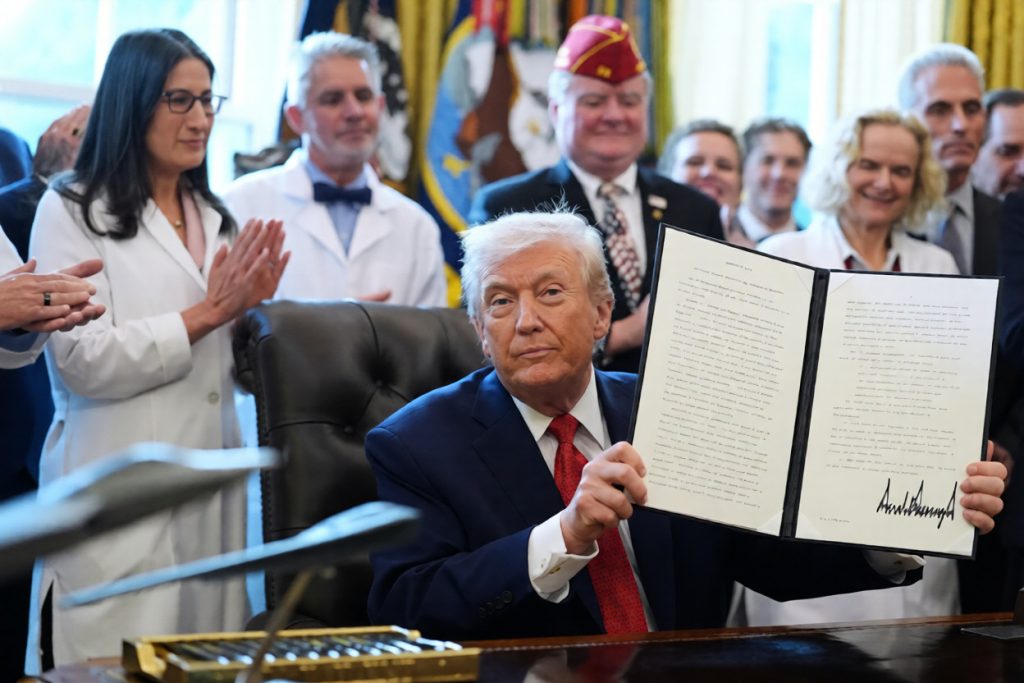

In a significant shift in U.S. drug policy, former President Donald Trump signed an executive order reclassifying marijuana, changing its status to reflect a perception that it is less dangerous than previously thought. This move marked a pivotal moment in the ongoing debate surrounding cannabis legalization and its implications for public health, criminal justice, and economic growth.
Historically, marijuana has been classified under Schedule I of the Controlled Substances Act, alongside substances like heroin and LSD. This classification implies that it has a high potential for abuse and no accepted medical use. However, growing research has shown that marijuana can have therapeutic benefits for conditions such as chronic pain, epilepsy, and anxiety. By reclassifying marijuana, the Trump administration aimed to acknowledge the evolving scientific consensus and public sentiment regarding cannabis use.
The executive order emerged amidst a backdrop of changing attitudes toward marijuana, particularly among younger voters and in states that had legalized it for recreational or medicinal use. Polls indicated that a majority of Americans favored legalization, reflecting a broader cultural shift. Trump’s decision was seen as an attempt to resonate with these constituents, particularly in key swing states where cannabis legalization had gained traction.
Reclassifying marijuana could have several implications. Firstly, it would facilitate more extensive research into the plant’s medical benefits. Currently, stringent regulations under its Schedule I classification hinder comprehensive studies. Researchers may struggle to obtain the necessary approvals and funding to investigate marijuana’s potential applications fully. By moving it to a lower schedule, the administration would likely encourage innovation in the pharmaceutical industry and enable universities to explore cannabis’s medicinal properties without onerous restrictions.
Additionally, the reclassification would have significant ramifications for criminal justice reform. Thousands of individuals have been incarcerated for non-violent cannabis offenses. By reducing the stigma and legal repercussions surrounding marijuana, the administration could promote a more equitable legal framework, potentially expunging records and addressing racial disparities in drug law enforcement. This would be an essential step toward rectifying injustices that have disproportionately affected marginalized communities.
Economically, reclassifying marijuana could stimulate growth in the burgeoning cannabis industry. Legal markets have already created thousands of jobs, generated substantial tax revenue, and driven investment in local economies. Lowering barriers to entry could further accelerate this growth, enhancing the economic prospects for many communities across the country.
In conclusion, Trump’s executive order reclassifying marijuana represents a monumental shift in American drug policy. By acknowledging the plant’s potential benefits and addressing the complexities surrounding its prohibition, the order has the potential to foster a more informed and equitable approach to cannabis use, research, and legislation.
For more details and the full reference, visit the source link below: