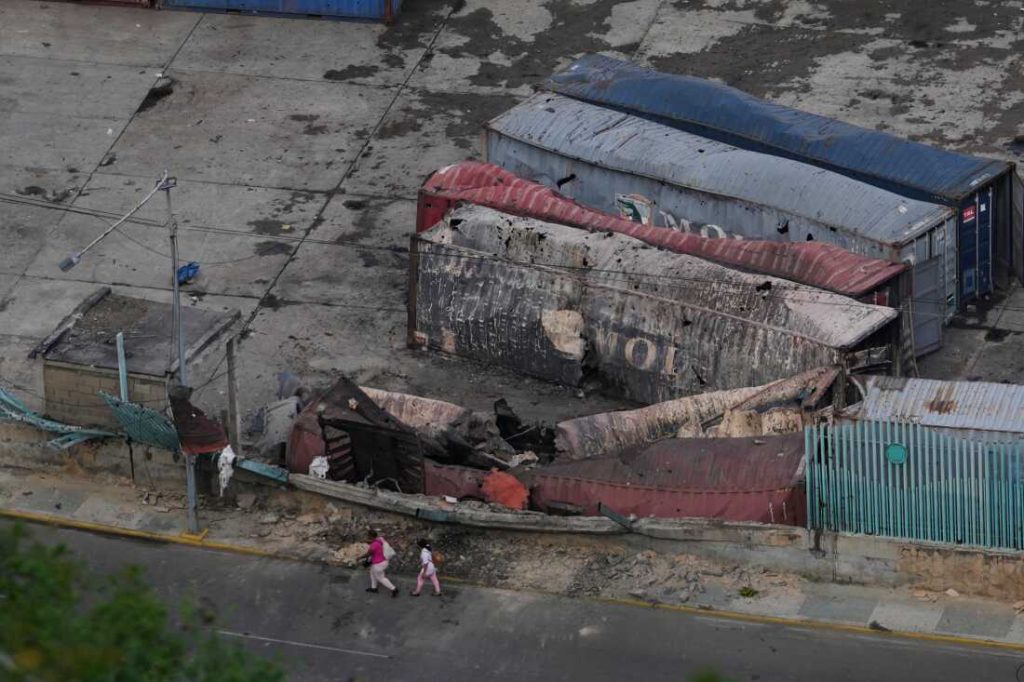

In 2026, the geopolitical landscape was significantly shaken by a controversial military strike ordered by then-President Donald Trump against Venezuela. The attack, which aimed to dismantle what the U.S. government labeled a “criminal regime,” ignited fierce debate both domestically and internationally, challenging long-standing policies and igniting discussions on the ethics of foreign intervention.
The operation targeted key military installations and reported sites of human rights abuses, generating a mixed response. Proponents of the strike argued that it was necessary to curtail the Maduro regime’s violent repression of its citizens and to restore democracy in a nation that had seen its social and economic fabric unravel. Supporters noted that taking decisive action was imperative for the U.S. as a global leader in promoting human rights and democratic values.
However, critics quickly voiced their dissent, warning that the attack could exacerbate an already fragile situation in Venezuela. Many experts on Latin American affairs cautioned that military action could ignite a broader regional conflict, destabilizing neighboring countries and leading to increased refugee crises. Activists decried the potential for civilian casualties, arguing that military intervention would likely worsen the humanitarian situation rather than alleviate it.
The debate extended into the corridors of Congress, where Democrats and some Republicans questioned the strategy and the legality of unilateral military action without prior congressional approval. Congressional hearings were held, examining the implications of the strike, and many lawmakers called for a re-evaluation of U.S. military policy in Latin America. Some advocates proposed alternative solutions involving diplomatic negotiations and economic sanctions rather than direct military engagement, viewing those routes as more congruent with the values of democracy and humanitarianism.
Internationally, reactions were equally polarized. Some nations applauded the strike as a long-overdue act of courage against a tyrannical regime, while others condemned it as an imperialist act that violated Venezuela’s sovereignty. Organizations like the United Nations and the Organization of American States expressed alarm, urging dialogue and negotiation instead of military confrontation.
By the end of the year, the attack on Venezuela had sparked not only political debate but also a reevaluation of the United States’ role in Latin America and its strategies for dealing with authoritarian regimes. The situation illuminated the complexities of foreign policy in an increasingly interconnected world, where decisions made in one nation can have far-reaching impacts on global stability and humanitarian conditions. This event ultimately forced a conversation about the ethics of intervention and the need for a balanced approach that prioritizes diplomacy alongside security interests.
For more details and the full reference, visit the source link below:
Read the complete article here: https://brusselsmorning.com/trump-venezuela-attack-reaction/89447/