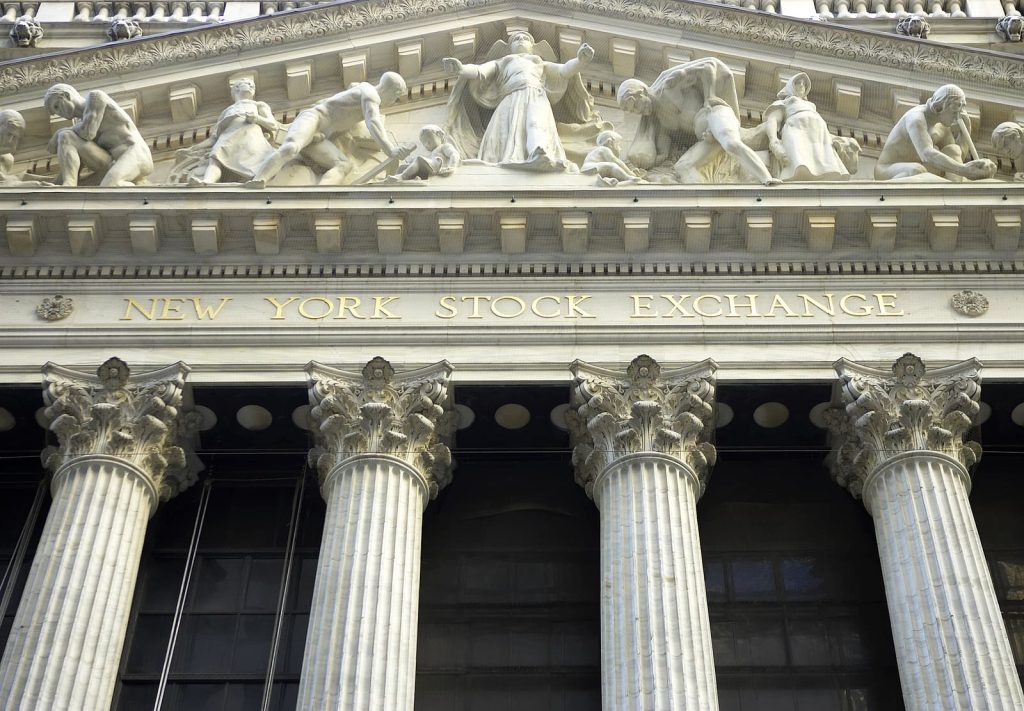

On Friday, February 6, 2026, U.S. financial markets demonstrated a pronounced rebound, marking a significant recovery from the previous days of volatility that unsettled investors. The Dow Jones Industrial Average surged by over 2%, reflecting renewed investor confidence and a broader positivity in the economic outlook. The S&P 500 and Nasdaq Composite also followed suit, closing up by 1.8% and 2.1% respectively, indicating a comprehensive recovery across different sectors.
Several factors contributed to this rally. Firstly, a slew of positive economic data reinvigorated market sentiment. Reports indicated that unemployment rates had dipped to their lowest levels in nearly two decades, suggesting that the labor market continues to strengthen. This positive news led investors to speculate that consumer spending could rise, bolstering economic growth moving forward.
In addition to the employment figures, corporate earnings announcements painted a rosier picture as many companies reported better-than-expected fourth-quarter results. Notably, major tech firms posted robust earnings driven by increased consumer demand and innovative product launches, which helped to boost stock prices significantly. The solid performance of blue-chip stocks underscored the resilience of the U.S. economy and restored confidence among investors.
Moreover, the Federal Reserve’s recent decision to maintain interest rates at their current level added to the market’s buoyancy. Central bank officials hinted at a cautious approach to monetary policy, with indications that rates would remain stable in the near term, allowing businesses and consumers to benefit from favorable borrowing conditions. This sentiment alleviated concerns about a potential economic slowdown, further fueling market optimism.
Investors also noted the international context; global markets exhibited signs of stabilization after a period of turmoil driven by geopolitical tensions and supply chain disruptions. The easing of trade tensions between the U.S. and key partners helped bolster confidence in international trade, prompting a rebound in stocks linked to global commerce.
However, analysts caution that despite the positive trends, challenges remain. Inflationary pressures continue to loom, and fluctuations in energy prices could have lasting impacts on consumer behavior. Additionally, the overall market remains sensitive to any changes in fiscal policy or shifts in Federal Reserve strategies.
Nonetheless, for now, the rebound on February 6, 2026, reflects a moment of optimism in U.S. financial markets. Investors appear cautiously hopeful, embracing the potential for future growth while remaining vigilant to unpredictabilities on the horizon. This day will likely be viewed as a pivotal moment, emblematic of resilience in uncertain times.
For more details and the full reference, visit the source link below: