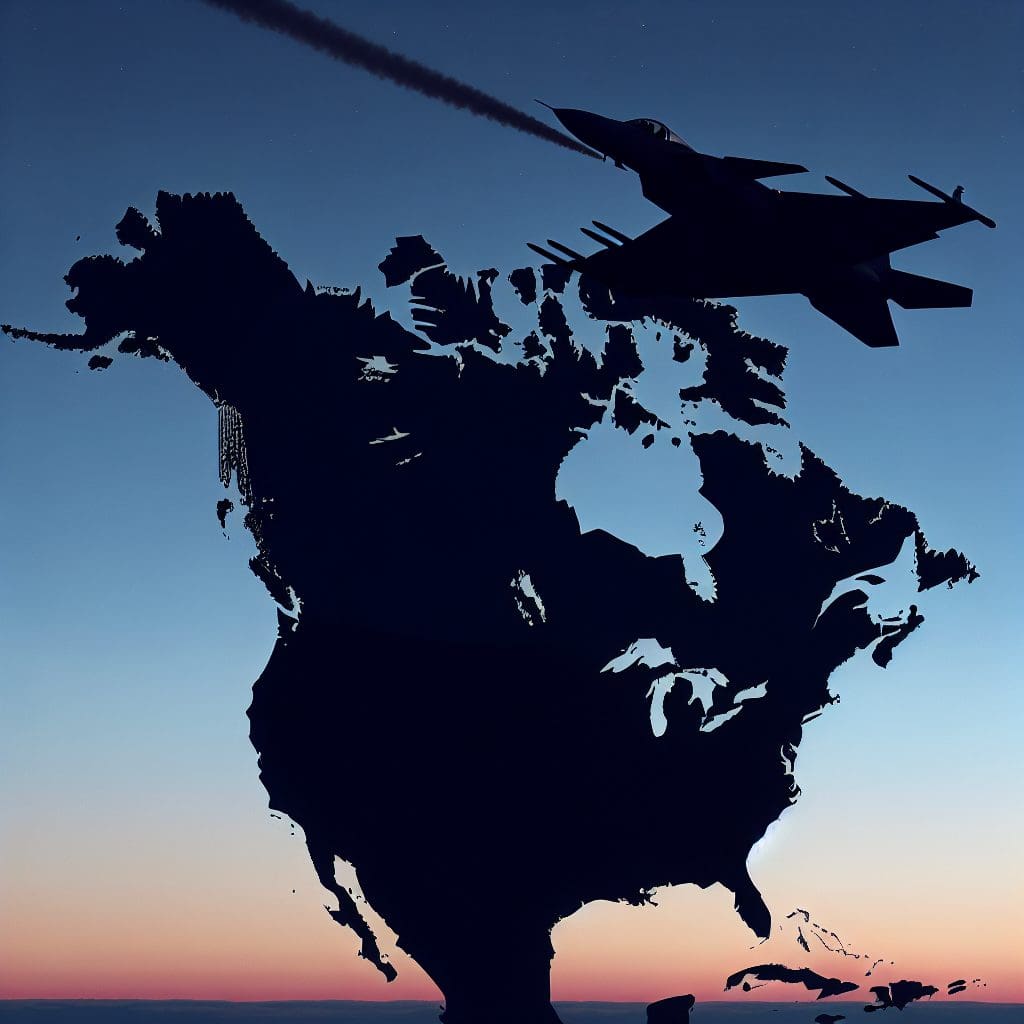

The recent discussions surrounding Canada’s procurement of a new multi-role fighter jet have spotlighted the Gripen, manufactured by the Swedish defense firm Saab. As Canada seeks to modernize its air fleet, the Gripen fighter jet has emerged as a viable option, especially in the context of its performance, cost-effectiveness, and compatibility. However, the United States may possess significant advantages that could influence Canada’s decision-making process.
Historically, defense procurement decisions in Canada have leaned towards American-made aircraft due to established defense ties, integrated technology, and geopolitical considerations. The F-35 Joint Strike Fighter, manufactured by Lockheed Martin, has garnered substantial attention in Canada, driven by its stealth capabilities and advanced technology. The strong bilateral defense relationship between Canada and the U.S. creates a framework within which Canadian defense procurement often favors American manufacturers. The U.S. provides not only advanced military technology but also crucial operational compatibility, enhancing interoperability between Canadian and American forces, particularly within NATO and NORAD (North American Aerospace Defense Command).
Moreover, Canada’s defense strategy often emphasizes the need for collaborative operational capabilities. Interoperability with U.S. forces is critical for joint exercises, missions, and overall strategic cohesion. While the Gripen is recognized for its agility and affordability, it may lack the deeper integration capabilities with U.S. systems that American hardware brings. For instance, advanced communication systems, networked warfare capabilities, and comprehensive logistical support systems typically align with American platforms, creating a compelling narrative for the F-35.
Additionally, U.S. lobbying efforts could play a pivotal role in Canada’s final decision. U.S. defense contractors are well-versed in creating strategic partnerships and building relationships with Canadian officials, thereby positioning themselves favorably within Canadian defense discussions. As these conversations unfold, the U.S. might leverage its influence to ensure that Canadian defense priorities align with American capabilities.
Another advantage for the U.S. lies in military industrial cooperation. An investment in U.S. fighter jets often translates to benefits for Canadian industry, as participation in the supply chain or future defense projects can enhance domestic economies, thereby incentivizing choices that align with U.S. manufacturers.
In conclusion, while the Gripen fighter jet presents a formidable option for Canada, the advantages that the U.S. holds in technology, operational compatibility, and economic incentives could compel Canada to lean toward American offerings. As the procurement process unfolds, various factors will likely interplay, but the historical context and evolving defense dynamics suggest that the U.S. may maintain a significant edge in influencing Canada’s final fighter jet selection.
For more details and the full reference, visit the source link below: