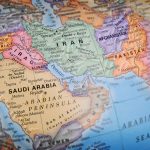

The recent seizure of an Iranian vessel by U.S. forces in the strategically vital Strait of Hormuz marks a significant escalation in ongoing tensions between Iran and the United States. This incident is not isolated; it reflects the enduring geopolitical struggle over control and influence in a region critical for global energy supplies. The Strait of Hormuz is a narrow waterway that serves as a passage for nearly 20% of the world’s oil, making it a hotspot for international maritime security.
The Iranian vessel was reportedly seized under allegations of transporting oil to countries that are under U.S. sanctions, specifically looking to enforce restrictions on Iranian oil sales. The U.S. has taken a hardline approach against Iran, which it accuses of destabilizing activities across the Middle East, including supporting militant groups and engaging in aggressive naval operations. This most recent action can be seen as part of a broader strategy by Washington to counter Iran’s influence, protect its own national interests, and reassure allies in the region who are concerned about Iranian assertiveness.
Iran, in response, condemned the seizure, characterizing it as an act of piracy and a violation of international norms. Iranian officials have vowed to retaliate, heightening fears that further military confrontations could ensue. The rhetoric from Tehran underscores the delicate balance of power in the region and the potential for miscalculations that could trigger broader conflict. It reflects a strategy where Iran seeks to assert its sovereignty while simultaneously responding to the pressure of U.S. sanctions that aim to cripple its economy.
This confrontation in the Strait of Hormuz is emblematic of a larger pattern of hostilities that have been escalating since the U.S. withdrew from the Joint Comprehensive Plan of Action (JCPOA) in 2018. The agreement was designed to curb Iran’s nuclear ambitions in exchange for relief from economic sanctions. Since that withdrawal, both nations have exchanged hostilities, with incidents ranging from tanker seizures to drone attacks and airstrikes.
As tensions escalate, the international community is left grappling with the implications of a potential military confrontation. Allies in the region, including Gulf States, are increasingly anxious about the possibility of a direct conflict that could have devastating effects not only on regional stability but also on global oil markets.
In summary, the seizure of the Iranian vessel heralds a troubling chapter in U.S.-Iran relations. It underscores the challenges of maintaining peace in a region rife with historical animosities and strategic interests. Moving forward, both nations will need to tread carefully to avoid a miscalculation that could spiral into widespread conflict, further complicating an already volatile geopolitical landscape.
For more details and the full reference, visit the source link below:
Read the complete article here: https://www.stl.news/u-s-seizes-iranian-vessel-strait-showdown/