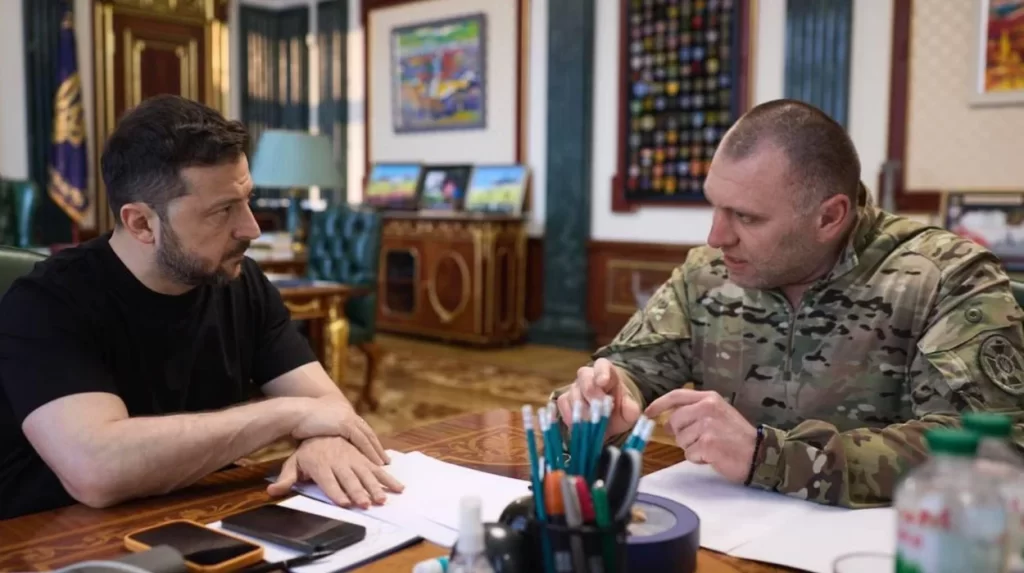

Ukraine’s intelligence landscape has recently been shaken by the resignation of Vasyl Malyuk, the head of the Security Service of Ukraine (SBU). Malyuk’s departure comes amidst ongoing scrutiny regarding the effectiveness and integrity of Ukraine’s intelligence services, particularly in light of the ongoing conflict with Russia. His resignation has raised questions about the internal dynamics of Ukrainian leadership and the challenges they face in a rapidly evolving war environment.
Malyuk, who took over as intelligence chief in July 2022, played a crucial role in navigating Ukraine’s security operations during a tumultuous time marked by Russian aggression. His tenure was characterized by efforts to modernize the SBU, aligning it more closely with Western intelligence practices and enhancing its capabilities. However, reports of internal rifts and a perceived lack of coordination between various branches of the military and security forces have marred his efforts.
The reasons behind Malyuk’s resignation appear to involve both political pressures and operational challenges. Analysts suggest that, as the war continues to evolve, there has been growing impatience within the Ukrainian government regarding the perceived progress of the SBU. The public’s expectations are high, and any sign of ineffectiveness or discord can quickly lead to calls for accountability. Malyuk’s resignation might be seen as a move to restore confidence in Ukraine’s intelligence operations and demonstrate a commitment to addressing any leadership gaps.
Moreover, his departure could signify a shift in strategy as Ukraine continues to adapt to the strategies employed by Russia. There is a pressing need for Ukrainian intelligence to not only gather information but also respond proactively to threats, making leadership stability essential. The SBU, now in a transitional phase, will need a leader who can balance both the demands of the government and the operational needs of the intelligence community.
International partners and allies are closely watching these developments, as a strong and effective intelligence service is crucial for Ukraine’s ongoing defense. The implications of Malyuk’s resignation extend beyond internal politics; they reach deeply into the international relations sphere. Allies must assure that morale and effectiveness within Ukraine’s intelligence community are not compromised during this critical juncture.
In conclusion, Vasyl Malyuk’s forced resignation marks a significant moment in Ukraine’s intelligence history. It underscores the pressures faced by leaders in an ongoing conflict while highlighting the delicate balance of power and responsibility in wartime governance. The quest for stability, efficiency, and accountability within the SBU will remain paramount for Ukraine as it navigates its continued struggle for sovereignty against Russian aggression.
For more details and the full reference, visit the source link below: