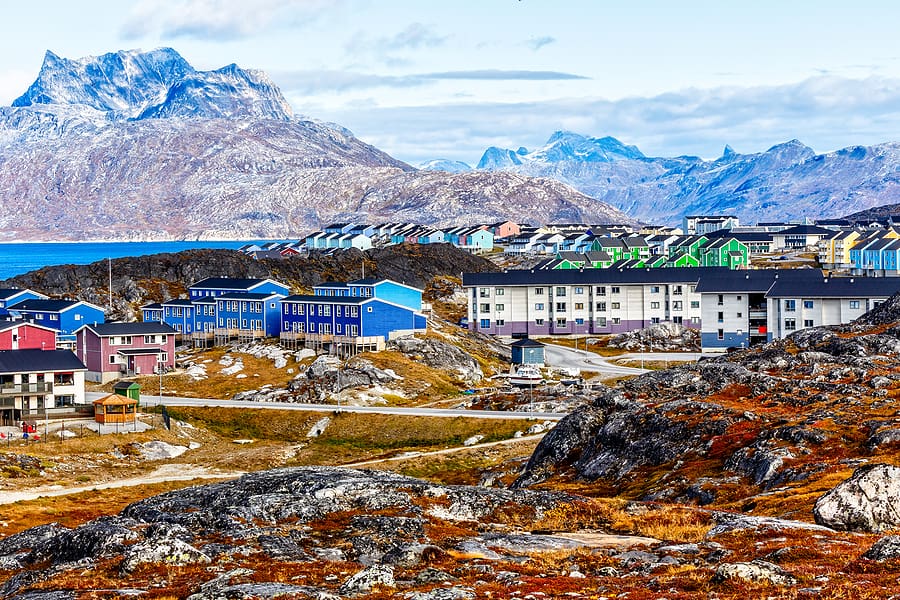

The relationship between the United States and Greenland has recently garnered significant global attention due to geopolitical shifts, strategic interests, and climate change implications. Historically, Greenland, an autonomous territory of Denmark, has been situated in a pivotal location between the North Atlantic and the Arctic. This strategic position has drawn interest from various world powers, particularly the U.S., which has long sought to maintain a presence in the Arctic region.
In recent years, the Arctic has become increasingly important as melting ice opens up new shipping routes and untapped natural resources. The U.S. has amplified its focus on Greenland due to the potential for oil, gas, and minerals in the region. This has led to the establishment of more profound diplomatic engagements between Washington and Nuuk, the capital of Greenland. The U.S.’s interest was notably spotlighted in 2019 when President Donald Trump expressed a desire to purchase Greenland, an idea that was met with controversy and was ultimately dismissed by Denmark. Despite the objections, the conversation highlighted the U.S.’s ongoing interest in Greenland’s resources and strategic location.
Climate change is another critical element in the U.S.-Greenland relationship. As ice caps melt, new maritime boundaries are being established, and the U.S. views the Arctic as a region that could be vital for future economic and national security interests. The Greenlandic government has been increasingly aware of its geopolitical significance and seeks to negotiate partnerships that benefit its local economy while also allowing for sustainable development.
Furthermore, the U.S. has recommitted itself to various international Arctic initiatives, recognizing that cooperation with Greenland is crucial in addressing the challenges posed by climate change. The recent trends of global warming have made it clear that Arctic nations must work together to navigate issues around environmental protection, indigenous rights, and resource management.
Additionally, Greenland has been looking to diversify its economic partnerships beyond Denmark. This shift presents an opportunity for the U.S. to engage more effectively. Collaborations in areas such as research, renewable energy, and technology could lead to mutually beneficial outcomes. The Greenlandic government is keen on attracting foreign investment, making it an attractive partner for U.S. companies looking to enter the Arctic market.
As the world’s focus turns to the Arctic, understanding the complexities of U.S.-Greenland relations will be paramount. As both parties navigate their interests and challenges, such partnerships will be essential for future stability, economic growth, and addressing the pressing environmental issues facing the region. The U.S.-Greenland dynamic serves as a microcosm of larger global trends, reflecting the interplay between national interests, environmental challenges, and international diplomacy.
For more details and the full reference, visit the source link below: