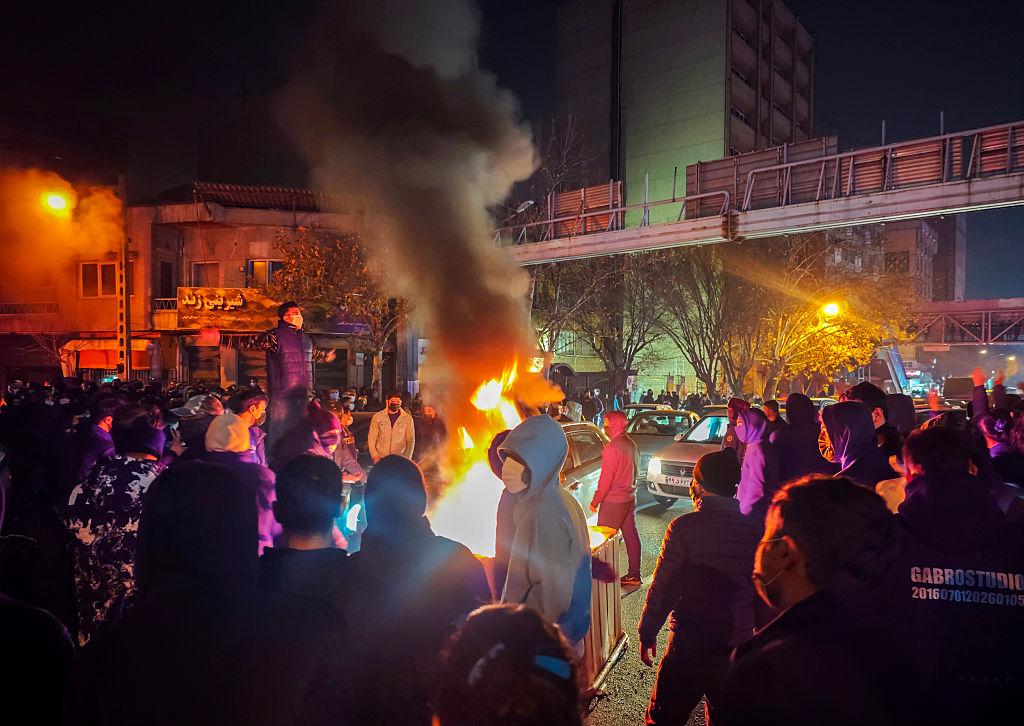

In 2026, Iran finds itself engulfed in a wave of protests fueled by economic distress and government dissatisfaction. With soaring inflation rates and a declining currency, the urgency for economic relief has never been greater. Strikingly, the grievances of protesters are not just a demand for political reforms but a clarion call for economic justice, innovative policies, and accountability from those in power.
The Iranian economy has suffered from a combination of international sanctions, mismanagement, and decreased oil revenues, which historically served as the backbone of its economic structure. As a result, the unemployment rate has surged, particularly among the youth—who make up a significant portion of the population. This demographic, disillusioned by limited job prospects and a lack of upward mobility, has taken to the streets demanding systemic changes. Their calls resonate through cities like Tehran, Isfahan, and Shiraz, amplifying the urgency for effective economic reforms.
In this climate of unrest, the government faces a critical choice: either implement sweeping economic reforms or risk further destabilization. Analysts argue that the current administration’s approach of austerity measures and token subsidies has only exacerbated public discontent. Instead, experts advocate for a comprehensive strategy focusing on revitalizing industries, fostering entrepreneurship, and attracting foreign investment. This strategy could not only alleviate immediate needs but also lay the groundwork for long-term economic stability.
Moreover, the role of social media plays a critical part in these protests, allowing for rapid dissemination of information and coordinating actions among diverse groups. The government’s attempts to curb internet access have backfired, leading to greater unrest and a rallying cry for a more transparent and accountable governance structure. By addressing economic grievances head-on, the government could potentially quell some of the fervent calls for change.
International relations also play a vital role in shaping Iran’s economic outlook. The potential for a revival in nuclear negotiations could lead to sanctions relief, which many believe would provide an instant boost to the economy. However, the trick lies in using this newfound wealth judiciously to address pressing social issues and not merely fortifying the existing power structure.
In conclusion, the rising protests in Iran in 2026 underscore an acute need for urgent economic relief. The intersection of economic despair and activism highlights an opportunity for meaningful change. If the Iranian government can respond strategically and compassionately, it may not only stabilize the economy but also foster a sense of hope and agency among its citizens. The moment is pivotal, and the decisions made in the coming months will shape Iran’s future.
For more details and the full reference, visit the source link below:
Read the complete article here: https://parliamentnews.co.uk/economic-relief-iran-2026