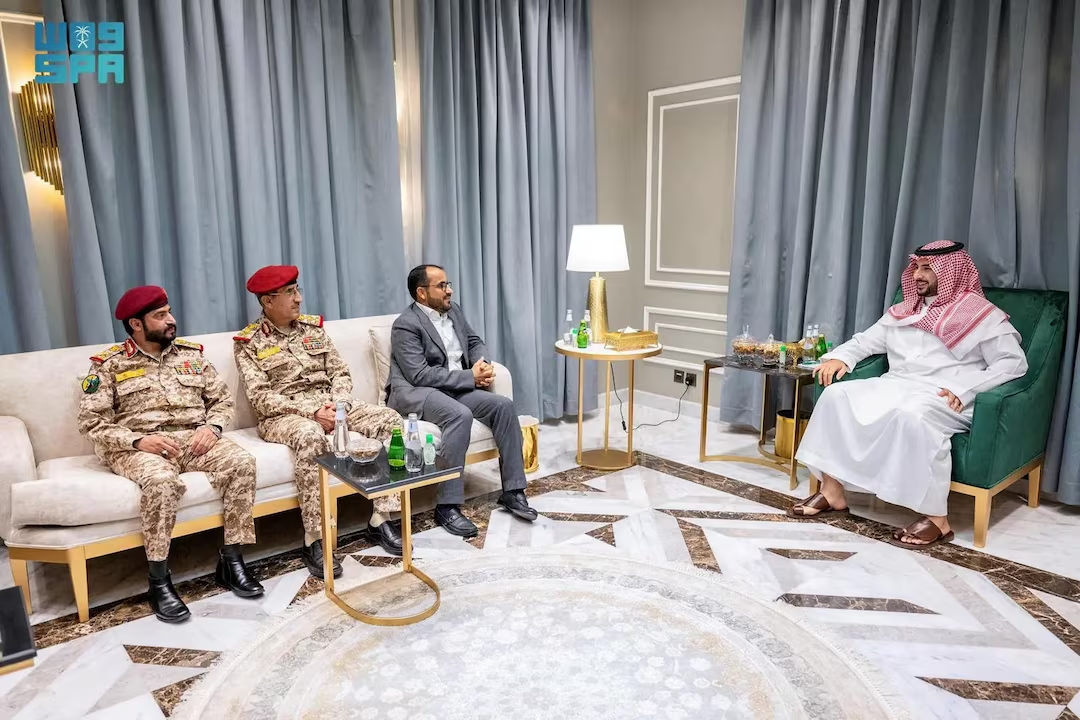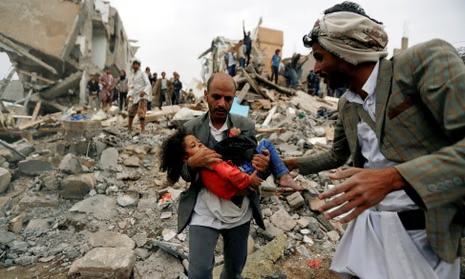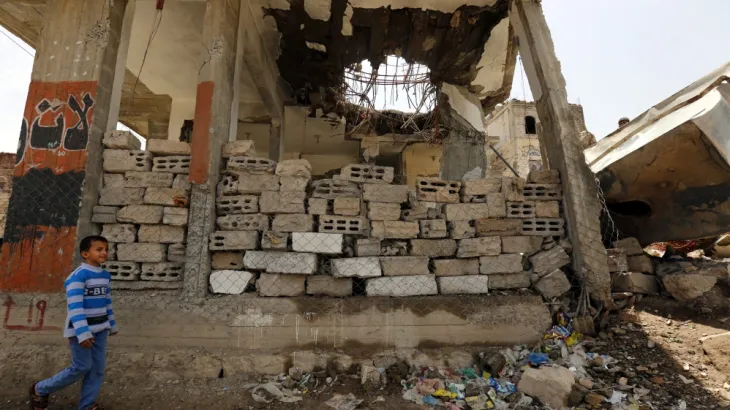

Urgent Middle East Peace Efforts Reach Critical Moment
In recent months, the geopolitical landscape of the Middle East has become increasingly volatile, underscoring the urgent need for renewed peace efforts in the region. The ongoing clashes between Israel and Palestinian groups, along with the rise of extremist factions, have escalated tensions that threaten not only local stability but also broader international security. As the conflict continues to intensify, key stakeholders recognize that the time for decisive action is now, making it a critical moment for peace initiatives.
The historical context of the conflict reveals a cycle of violence that can seem intractable, with numerous failed peace agreements underscoring the complexities involved. However, the current environment is marked by a unique confluence of factors that could either facilitate dialogue or exacerbate existing divisions. The recent normalization agreements between Israel and several Arab nations, alongside shifting public opinions across the region, present both opportunities and challenges.
U.S. diplomatic involvement remains vital, especially as the Biden administration has signaled its intent to re-engage with Middle Eastern states. Efforts to broker negotiations must confront deep-seated grievances on both sides. For Palestinians, issues such as territorial sovereignty, the status of Jerusalem, and refugees are pivotal. On the Israeli side, security concerns and the need for recognition play essential roles. Bridging these divides requires not just political will but also a grassroots approach that includes voices from civil society, women’s groups, and youth organizations to foster a more comprehensive understanding of peace.
To catalyze momentum, recent initiatives have focused on economic stability as a pathway to peace. Programs aimed at improving living conditions in Palestinian territories through job creation and infrastructure development have shown promise. However, these efforts must be coupled with genuine political dialogue. Without addressing the fundamental issues, the temptation for violence will remain, and the cycle of despair will continue.
The international community’s role is also critical. Organizations like the United Nations and the European Union must actively facilitate discussions, ensuring that all parties are held accountable for their actions. Furthermore, regional players like Egypt and Jordan have historically been pivotal mediators and should continue to leverage their influence to promote peace.
In conclusion, the Middle East is at a crucial juncture where peace efforts must not only be urgent but also innovative and inclusive. As the complexities of the situation deepen, the need for collaborative, multi-faceted approaches becomes ever more apparent. It is a time for action, compassion, and a collective commitment to resolving one of history’s most enduring conflicts. If ever there was a moment that called for unity and understanding, it is now.
For more details and the full reference, visit the source link below:
Read the complete article here: https://brusselsmorning.com/middle-east-peace-efforts/88206/