
Urgent Ukraine Air Attacks Raise Regional Alarm
In recent weeks, the situation in Ukraine has escalated alarmingly, with intensified air attacks leading to widespread concern across Eastern Europe and beyond. These assaults are not just a humanitarian crisis for Ukraine; they bear significant implications for regional stability, security, and international relations.
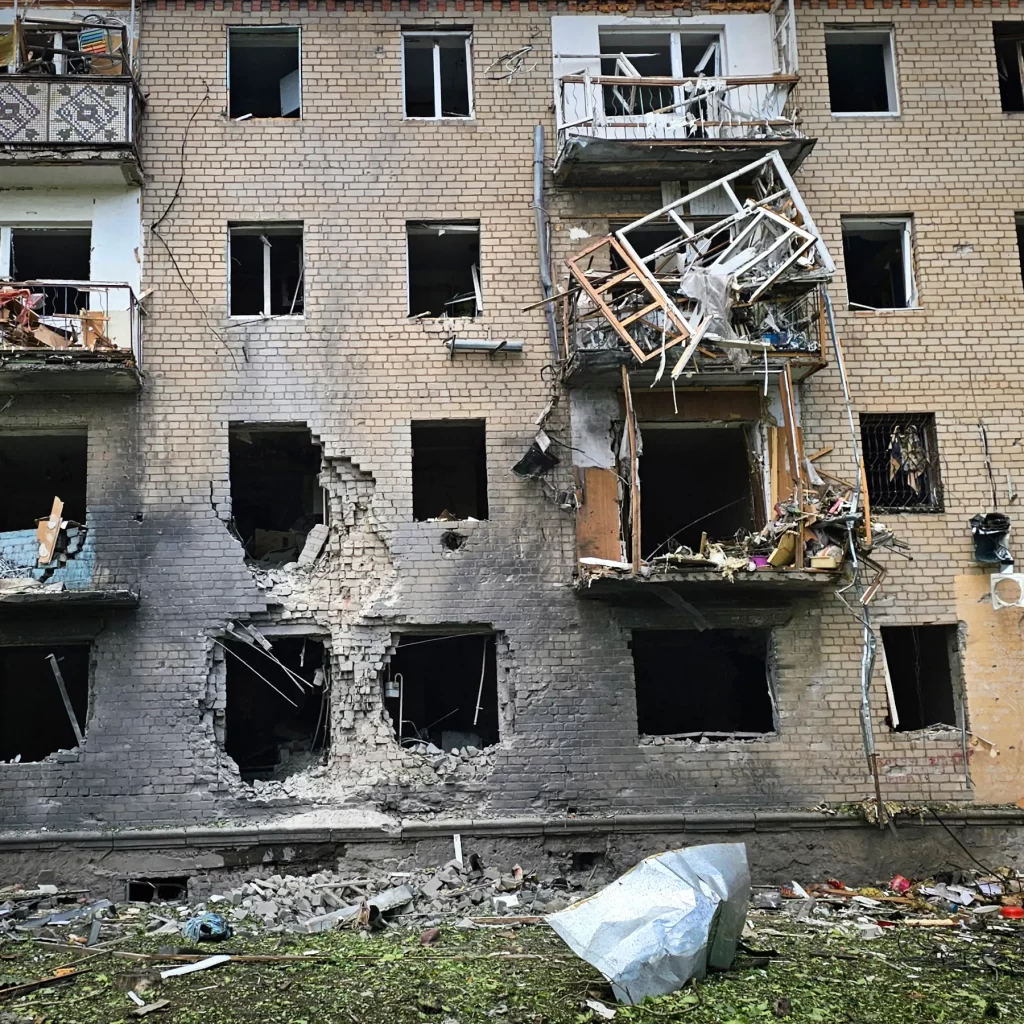
Ukraine, embroiled in conflict since 2014, has faced repeated aggression from Russia. However, recent air strikes have intensified, raising fears of further escalation. Reports indicate that these attacks have primarily targeted critical infrastructure, including energy facilities and transportation hubs, inflicting severe damage and contributing to civilian distress. The urgency of the situation is underscored by the humanitarian implications, as countless families are displaced and public services are compromised.
Neighboring countries, particularly Poland and the Baltic states, find themselves on high alert. The potential for spillover violence or a broader conflict has created an atmosphere of anxiety. Historical precedents showcase how swiftly regional conflicts can escalate into broader wars, prompting nations to reassess their military readiness and diplomatic strategies. Many countries in the region are now calling for enhanced NATO presence, fearing that the aggressiveness displayed by Russia in Ukraine could extend beyond its borders.
The international community has reacted swiftly with condemnations and calls for an immediate ceasefire. While many nations have made commitments to support Ukraine, from military aid to humanitarian assistance, the effectiveness of these responses is under scrutiny. Proponents argue that sustained support is essential for Ukraine’s defense, while critics caution that such measures could provoke Russia further, creating a perilous standoff.
Additionally, the economic implications of the ongoing air attacks are profound. Global energy markets have felt the repercussions as tensions rise, leading to price volatility. Countries dependent on energy imports from Russia are exploring alternatives, but the transition is fraught with challenges, further complicating the geopolitical landscape.
Furthermore, these attacks risk realigning global alliances. Countries once neutral may feel pressure to take sides, and emerging powers may seek to exploit the chaos for their gain. The prospect of new geopolitical blocs forming in response to the conflict raises questions about the future of international diplomacy and order.
In summary, the recent spike in Ukraine’s air attacks has escalated fears throughout Eastern Europe and raised alarms about regional stability. The interconnectedness of global politics means that developments in Ukraine will reverberate worldwide, compelling nations to navigate a complex and evolving crisis that can affect local and global peace for years to come.
For more details and the full reference, visit the source link below:
Read the complete article here: https://brusselsmorning.com/ukraine-air-attacks/86824/