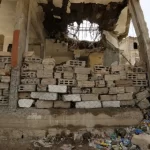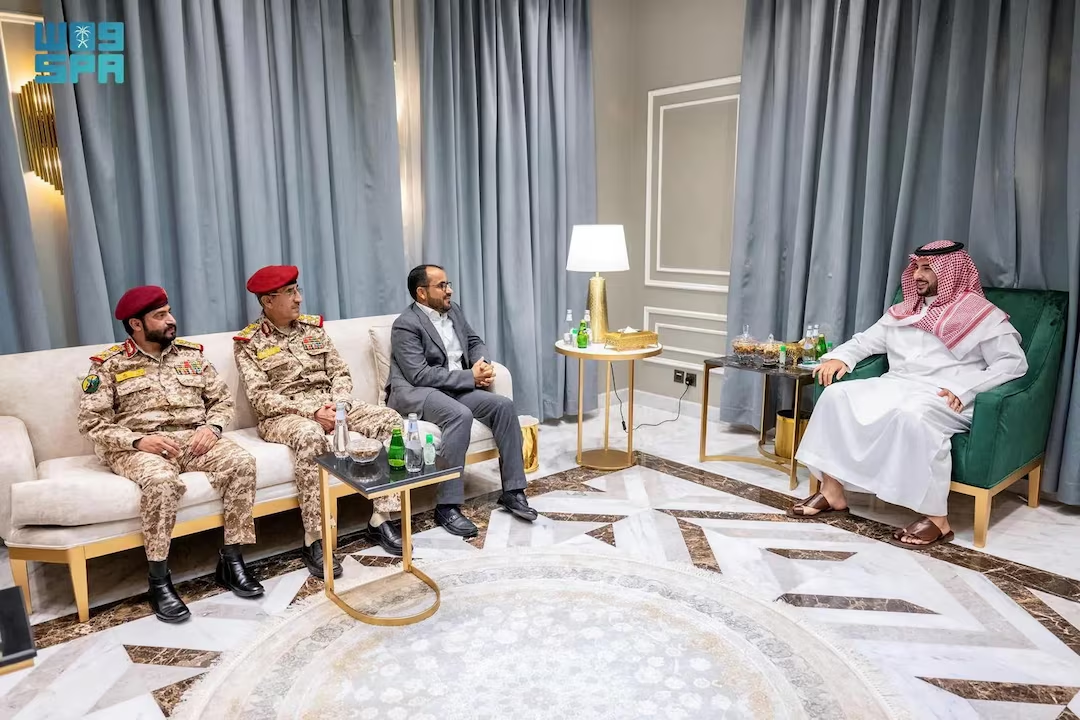

The ongoing political turmoil in Yemen has reached a critical juncture, prompting urgent negotiations that face significant challenges. The civil war in Yemen, which began in 2014, has resulted in one of the world’s worst humanitarian crises, with millions suffering from food insecurity, lack of access to healthcare, and widespread displacement. The complexity of the conflict, fueled by regional rivalries and local power struggles, complicates the negotiation process, making it imperative for all parties involved to come to the table with a genuine commitment to peace.
Negotiations are primarily focused on reconciling the differences between the Houthi movement, which controls significant territory, and the internationally recognized government of President Abdrabbuh Mansur Hadi, who has faced mounting criticism for his leadership. The Saudi-led coalition’s involvement has only added more layers to an already intricate situation. Recently, there have been increasing calls from international organizations, including the United Nations, for a ceasefire and a more coordinated effort to provide humanitarian aid.
Key challenges facing the negotiations include deep-seated mistrust among the various factions. The Houthis, often accused of receiving support from Iran, have been reluctant to disarm or relinquish control over significant territories. Meanwhile, the government’s forces, backed by the Saudi coalition, are pressured by domestic public opinion and regional alliances to maintain a hardline stance. Both sides must find common ground, prioritize civilian welfare, and set aside hostile rhetoric if they hope to transition into a more stable and peaceful political framework.
Moreover, the economic collapse exacerbated by the war has made the stakes higher. With the Yemeni rial losing immense value and essential services nearing collapse, there is a growing urgency for all parties to agree on a plan to restore economic stability. The involvement of international stakeholders could bolster negotiation efforts, yet it also raises questions of sovereignty and the potential for external influence to overshadow local needs.
The upcoming negotiations will test the resilience and commitment of Yemen’s political actors. The international community has a crucial role in facilitating dialogue, providing humanitarian assistance, and enforcing any agreements reached. The outcome of these talks will determine not just the future of Yemen, but could also shift power dynamics across the region.
In essence, the urgent negotiations surrounding Yemen’s political landscape represent not just a chance for peace, but a hope for rebuilding a nation torn apart by years of conflict. The path ahead is fraught with obstacles, yet the necessity for resolution has never been more pressing.
For more details and the full reference, visit the source link below:
Read the complete article here: https://brusselsmorning.com/yemen-political-negotiations/88199/