
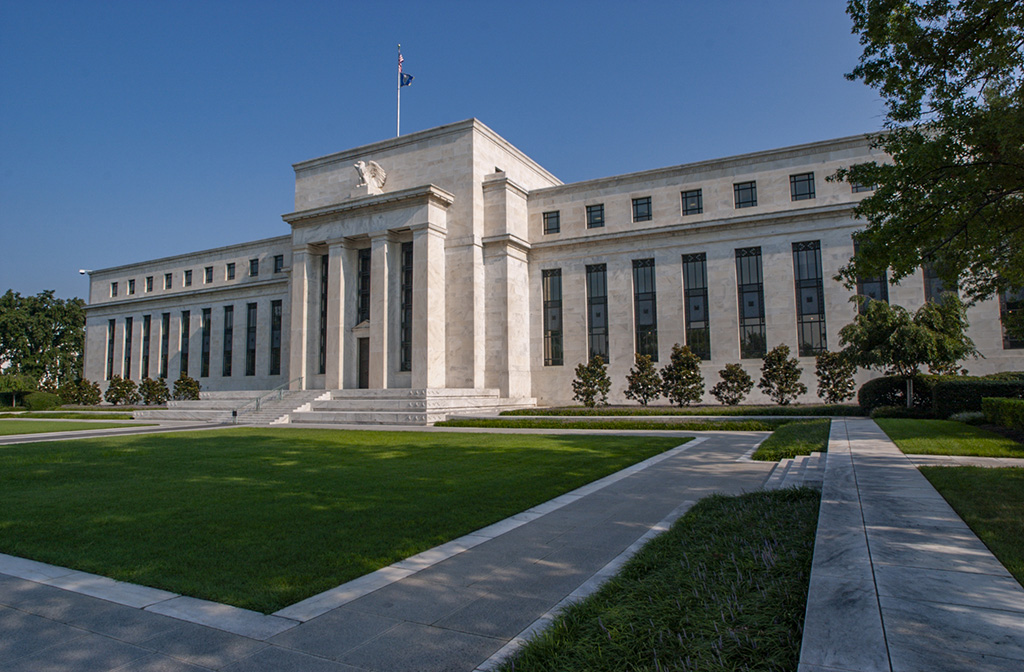

The weakness of the US dollar has significant implications for global markets and could signal a substantial repricing in financial assets by 2026. The dollar, often viewed as the world’s reserve currency, plays a crucial role in international trade and finance. A decline in its strength can lead to various economic phenomena that investors and policymakers must carefully navigate.
Historically, a weakening dollar can spur inflationary pressures, as imported goods become more expensive. This could lead to a shift in consumer behavior, pushing more individuals toward domestic products and altering supply chains. Companies that rely on imports may face increased costs, which could subsequently result in a rise in prices for consumers—adding pressure on inflation rates. By 2026, if this trend continues, central banks, particularly the Federal Reserve, may be forced to recalibrate their monetary policies in response to changing economic conditions.
Moreover, the dollar’s weakness could lead to increased interest in alternative currencies and assets. Investors may begin to diversify their portfolios, seeking refuge in commodities, cryptocurrencies, and other currencies like the euro or yuan. This dynamic could change the landscape of investment strategies, especially as emerging markets gain traction amidst a fluctuating dollar. For instance, countries that export oil or other commodities often price their goods in dollars; a weaker dollar could lead them to consider alternative currencies for transactions, further eroding the dollar’s dominance.
Additionally, geopolitical factors play a crucial role in the dollar’s performance. Tensions between major global economies can amplify the volatility of the dollar. In a scenario where the dollar continues to weaken, and rival currencies gain strength, we could see a shift in power dynamics on a global scale. Countries historical reliant on the dollar for trade might seek to form strategic alliances that minimize reliance on American currency, ultimately causing further depreciation.
Financial markets, too, will likely have to adjust to these developments. We could see a reassessment of asset values across the board, particularly in fixed income sectors where the weakness of the dollar might challenge the risk-reward balance. Bonds and equities in foreign markets could become more attractive, encouraging capital flows that might further destabilize the dollar’s position.
In conclusion, the potential weakness of the US dollar by 2026 indicates a critical juncture in global finance. If this trend continues, it will prompt a sweeping repricing of assets and heighten the need for investors and policymakers to reassess their strategies in responding to new economic realities. The consequences of these shifts could reshape the landscape of international trade, investing, and geopolitical stability.
For more details and the full reference, visit the source link below:


