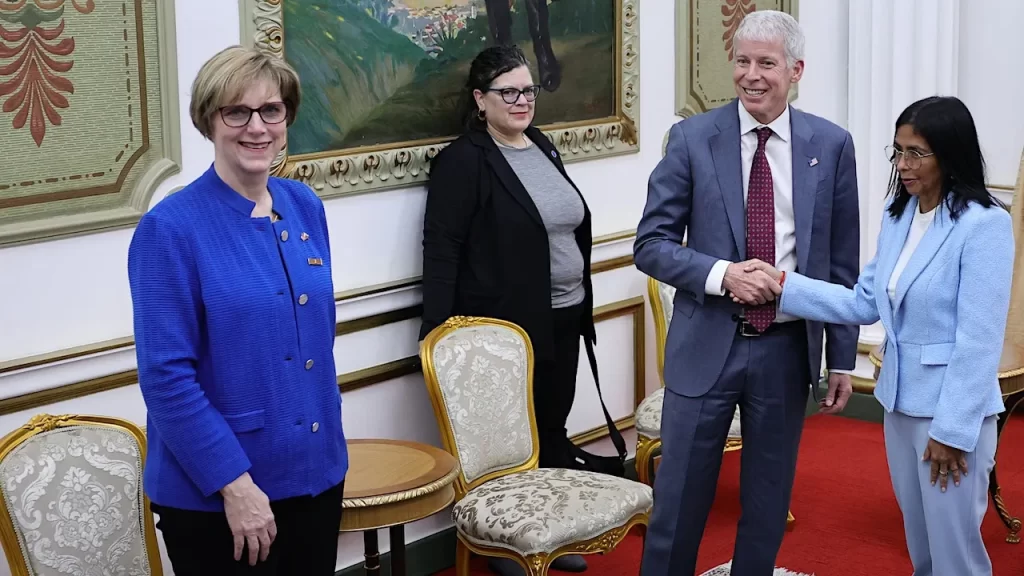

US Embassy in Caracas Reopens Its Doors for the First Time Since 2019
The reopening of the U.S. Embassy in Caracas marks a pivotal moment in both U.S.-Venezuelan relations and the broader geopolitical landscape in Latin America. After a prolonged closure due to escalating political tensions, this reopening signifies renewed diplomatic efforts and hopes for improved relations between the two countries.
Historical Context
The Closure of the Embassy
In January 2019, the U.S. government, under the Trump administration, recognized Juan Guaidó as the legitimate interim president of Venezuela, opposing Nicolás Maduro’s contested claim to power. In response, the Maduro government severed diplomatic relations with the U.S., leading to the complete closure of the embassy in March 2019.
Impact of the Closure
The U.S. embassy’s closure had significant repercussions, not only for diplomatic dialogue but also for American citizens in Venezuela, who faced limitations in consular services. It also affected Venezuelans seeking visas for travel or resettlement in the United States, creating a vacuum in diplomatic engagement.
The Significance of the Reopening
Diplomatic Relations
The reopening of the U.S. Embassy represents a crucial step toward repairing diplomatic ties. Both nations have navigated a complex relationship characterized by mutual distrust, and this move could pave the way for more extensive dialogue about political and economic reforms in Venezuela.
Humanitarian Efforts
Another critical aspect of the embassy’s reopening is the potential for enhanced humanitarian support for the people of Venezuela. The country is grappling with one of the world’s worst humanitarian crises, marked by food shortages, hyperinflation, and mass migration. The U.S. has previously provided significant humanitarian aid, and the embassy’s reopening could facilitate more structured efforts to deliver assistance.
Diplomatic Engagement in the 21st Century
Emphasis on Collaboration
With the resumption of operations, the U.S. is signaling its intent to engage collaboratively with the Venezuelan government on pressing issues. The focus could range from addressing the humanitarian crisis to discussing democratic reforms, human rights protections, and the restoration of political stability.
Role of International Partners
The diplomatic landscape in Venezuela involves other key players, including Russia, China, and regional powers like Brazil and Colombia. The reopening of the U.S. embassy may encourage a more coordinated approach among international stakeholders to address the crisis collectively, ensuring that Venezuela eventually moves toward a stable and democratic governance model.
Concerns and Criticisms
Skepticism Among Venezuelans
Despite the significance of the reopening, many Venezuelans may remain skeptical about the U.S.’s intentions. The historically fraught relationship has left deep-rooted anxieties about foreign intervention and sovereignty. It will be crucial for the U.S. to communicate transparently about its goals to gain the trust of the Venezuelan populace.
Impact on U.S.-Latin America Relations
Furthermore, some critics argue that the U.S.’s actions could lead to increased tensions with other countries in Latin America. A careful diplomatic strategy will be essential to avoid adverse repercussions in the region while pursuing resolutions in Venezuela.
Future Implications
Potential for Dialogue
The reopening of the U.S. embassy could initiate a series of diplomatic dialogues aimed at fostering cooperation. Long-term, this may involve negotiations around sanctions relief, electoral processes, and broader international involvement in Venezuelan affairs.
Regional Stability
Venezuela’s internal turmoil has broader implications for regional stability, with neighboring countries hosting millions of Venezuelan migrants. By working towards a more stable and democratic Venezuela, the U.S. can help create a conducive environment for regional collaboration in tackling migration and economic challenges.
The Role of Technology and Communication
Modern Communication Strategies
In an age where information dissemination happens rapidly through digital channels, the U.S. must employ modern communication strategies to effectively engage with the Venezuelan people. Utilizing social media and online platforms can help in bridging gaps and clarifying U.S. intentions.
Enhancing Accessibility
The embassy’s reopening will also allow for more accessible channels of communication for Venezuelans seeking assistance. Ensuring that consular services are well-publicized and accessible can significantly enhance the lives of many individuals looking to forge new paths.
Conclusion
The reopening of the U.S. Embassy in Caracas can be seen as a hopeful sign in the fraught relationship between the two nations. As both entities navigate a complex landscape of political tension and humanitarian crisis, the U.S. must approach this opportunity with a plan focused on diplomacy, collaboration, and a genuine commitment to the Venezuelan people. By doing so, the U.S. can help foster a future where Venezuela emerges as a resilient, democratic nation contributing positively to regional and global stability.
With careful diplomatic engagement, proactive humanitarian measures, and an emphasis on communication, the reopening of the U.S. embassy might just mark the first steps toward a brighter future in Venezuela and for U.S.-Latin America relations. The journey ahead is complex, but the reopening offers a much-needed glimmer of hope in a landscape that desperately requires change.
In summary, the reopening of the U.S. Embassy in Caracas is significant for diplomatic relations, humanitarian efforts, and potential regional stability. As various stakeholders engage in this delicate process, the emphasis must be on trust-building and long-term commitments to the welfare of the Venezuelan people. The path forward will require wisdom, sensitivity, and a comprehensive approach that respects Venezuela’s sovereignty while advocating for the fundamental rights of its citizens.