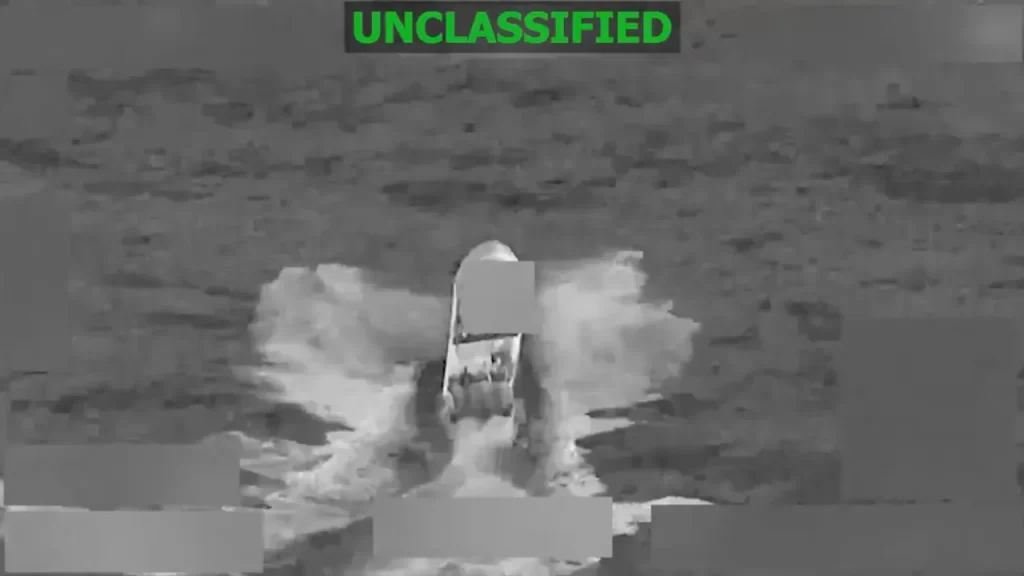

US Forces Strike Kills 2 Suspected Narco-Terrorists in Eastern Pacific
Introduction
In a recent operation, US military forces successfully targeted and eliminated two suspected narco-terrorists in the Eastern Pacific region. This operation underscores the ongoing threat posed by drug trafficking and terrorism, emphasizing the United States’ commitment to combating organized crime. The mission not only disrupts illegal networks but also reinforces international security and cooperation.
Background on Narco-Terrorism
Narco-terrorism refers to the intersection of drug trafficking and terrorism, where criminal organizations use violence and intimidation to protect their interests while financing terrorist activities. In Latin America, particularly, this phenomenon has escalated, leading to significant instability and violence. Countries in the Eastern Pacific have become vital nodes in the global drug trade, necessitating a robust response from law enforcement and military agencies.
The Role of US Armed Forces in Counter-Narcotics Operations
The US military plays a crucial role in counter-narcotics efforts globally, often working in conjunction with partner nations. Operations like the recent strike in the Eastern Pacific highlight the strategic approach the U.S. employs against narco-terrorism. The focus is not just on disrupting drug production and trafficking but also on dismantling the overarching networks that enable these activities.
Details of the Operation
The operation that led to the deaths of the two suspects was meticulously planned and executed. Intelligence reports suggested that these individuals were key operatives within a larger drug trafficking network linked to violent cartels. The US forces utilized aerial support and ground troops to ensure precision in their strike, emphasizing the importance of accuracy in counter-terrorism operations.
Intelligence Gathering
Intelligence gathering is paramount in conducting successful military operations. For weeks before the strike, US intelligence agencies monitored the activities of the suspects, gathering crucial evidence that pointed to their involvement in narco-terrorism. This information flow allowed military planners to strategize and execute the operation with minimal risk to civilians and military personnel.
Tactical Execution
The tactical execution involved employing advanced technologies for reconnaissance and targeting. Drones played a significant role in pinpointing the suspects’ locations, allowing for real-time updates and assessments. This high-tech approach ensures that operations are not only effective but also minimize collateral damage.
Impact on Drug Trafficking Networks
The strike’s immediate impact on the drug trafficking network that the suspects were a part of is significant. The deaths of key players often lead to a temporary disruption in operations, giving law enforcement agencies time to capitalize on the chaos. However, the long-term ramifications depend on the resilience and adaptability of these networks.
Narco-Terrorism and Regional Security
While this operation is a win for US forces, the broader implications for regional security must be understood. Many countries in the Eastern Pacific face challenges related to narco-terrorism, which can fuel violence and instability. By taking decisive action, the US hopes to send a strong message to these criminal organizations, indicating that their operations will be met with force.
International Cooperation in Combating Narco-Terrorism
Combating narco-terrorism requires more than just military intervention; it demands international cooperation. The United States has long engaged with partner nations in the Eastern Pacific to strengthen law enforcement capabilities and enhance border security. Joint missions and intelligence sharing are pivotal in tackling the networks that transcend national boundaries.
Economic Assistance and Development Programs
In addition to military action, the US is also involved in economic assistance and development programs aimed at undermining the appeal of drug trafficking as a means of livelihood. By investing in education, job creation, and social services, the US seeks to offer alternatives to communities that might otherwise be drawn into the narcotics trade.
Future Prospects
The recent operation against the suspected narco-terrorists is a step in the right direction, but it is only a part of a much larger battle against drug trafficking and terrorism. Moving forward, it is essential for the US and its allies to maintain momentum by continuing operations, building partnerships, and investing resources in both military and civilian initiatives.
Evolving Threats
The landscape of narco-terrorism is continually evolving, with cartels employing new tactics and technologies. As criminal organizations adapt, so too must the responses from governments and military agencies. This necessitates ongoing assessments of strategies and methods to ensure the efficacy of counter-narcotics efforts.
Conclusion
The elimination of the two suspected narco-terrorists by US forces is a critical moment in the ongoing fight against narco-terrorism. It highlights the need for persistent vigilance and a multifaceted approach that includes military action, international cooperation, and community support. The battle is far from over, but with each operation, the US takes significant strides towards a more secure future for the Eastern Pacific and beyond.
By focusing on relevant keywords, such as “US forces,” “narco-terrorists,” “Eastern Pacific,” and “counter-narcotics,” this content is optimized for search engines while providing comprehensive information on a pressing issue.