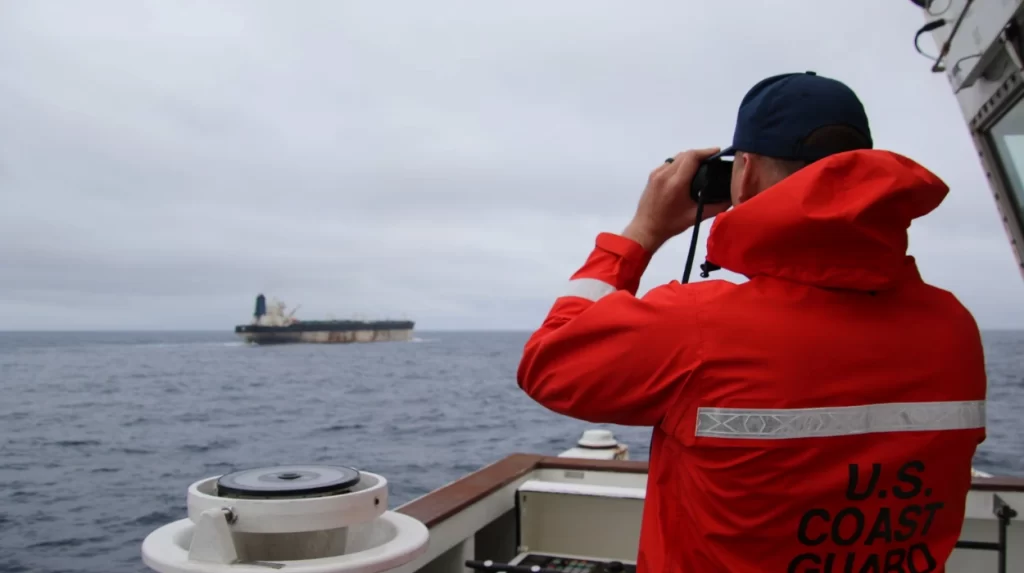

In recent news, the United States Navy intercepted a Russian-flagged tanker while it was navigating the waters of the North Atlantic, underscoring rising tensions between the U.S. and Russia. This incident highlights the ongoing conflicts of interest in maritime routes, energy supplies, and geopolitical power plays.
The tanker, identified as the “Soviet Spirit,” was reportedly transporting oil and gas, commodities that have significant implications for both national security and global markets. As the world grapples with fluctuating energy prices and supply chain disruptions, such interceptions are critical in maintaining a balance of power and protecting national interests. In addition, these actions reflect growing concerns about the implications of Russian energy supplies on European allies, especially in light of the ongoing conflict in Ukraine.
The U.S. Navy’s intervention exemplifies a proactive approach to maritime security, particularly in international waters where the right to free navigation must be balanced with the imperatives of national security. The U.S. has historically maintained a robust naval presence to deter aggressive actions and protect its allies. This recent interception serves as a reminder that the naval operations of major powers often intersect, leading to both diplomatic tensions and potential military confrontations.
Moreover, the interception raises questions about the legality of such actions. Previous encounters between U.S. and Russian naval forces have often been characterized by a delicate balance, as both nations seek to assert their presence while avoiding direct confrontations. International law governing maritime navigation complicates these situations, as flagged vessels enjoy certain rights on the high seas. Nevertheless, the U.S. maintains that intercepting vessels implicated in activities that contravene sanctions or contribute to hostile actions is within its rights under international law.
The incident also has broader implications for global oil markets. With sanctions imposed on Russia by Western nations in response to its military actions, the demand for Russian oil has drastically shifted. Interceptions like this indicate the lengths to which the U.S. will go to disrupt the flow of resources that can fund military aggression. As European allies seek alternatives to Russian energy, the geopolitical landscape is rapidly evolving.
In conclusion, the interception of the Russian-flagged tanker is not merely an isolated incident; it is a reflection of the complexities of international relations in a multipolar world. The event showcases the taut interplay between legal rights, national security, and the intricate web of global energy politics, signaling that maritime tensions may only intensify in the foreseeable future.
For more details and the full reference, visit the source link below: