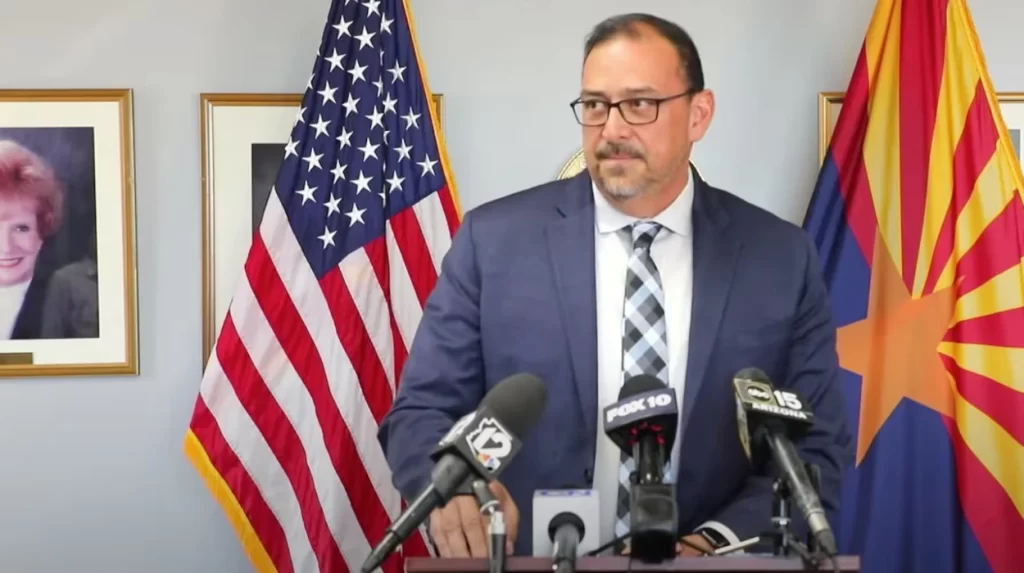

The U.S. Justice Department has recently initiated lawsuits against Connecticut and Arizona regarding allegations related to voter data practices that potentially infringe upon federal law. This legal action highlights a growing concern about the security and privacy of voter information, especially in an era where data breaches and election integrity are at the forefront of political discussions.
In Connecticut, officials have faced scrutiny for their handling of voter registration data. The Justice Department claims that the state has not complied with laws that govern how voter information is maintained and protected. Federal regulations mandate that states ensure the security of voter data to prevent unauthorized access or misuse. The lawsuit seeks to compel Connecticut to take immediate action to protect the integrity of its voter information systems.
Arizona’s lawsuit revolves around allegations that the state has improperly shared voter registration details with unauthorized entities, potentially exposing sensitive data to misuse. The Justice Department asserts that this practice violates the National Voter Registration Act, which outlines strict guidelines on how voter information should be handled and shared. This lawsuit underscores the heightened vigilance of federal authorities in monitoring state practices that could compromise the electoral process.
These actions reflect broader concerns about voter integrity, especially as states across the nation navigate a patchwork of laws governing election procedures and data management. The scrutiny by the Justice Department signals a commitment to uphold federal standards designed to protect voters and ensure credible and secure electoral processes.
The implications of these lawsuits are significant, as they could set precedents affecting how states manage voter information. If the Justice Department prevails, Connecticut and Arizona may be forced to overhaul their data management practices, potentially impacting their operations and resources. Moreover, these cases could influence similar legal actions in other states, prompting a nationwide reevaluation of voter data policies.
Critics of the lawsuits argue that the federal government’s intervention might overreach into state governance, claiming that states should have the autonomy to determine their own voter data policies. Supporters, however, maintain that strong federal oversight is crucial to safeguarding democracy and ensuring equitable access to the ballot box for all citizens.
As the lawsuits proceed, they will draw heightened attention not just from the states involved, but from advocacy groups, policymakers, and voters who have a vested interest in the integrity of the electoral system. The outcome of these cases could redefine the landscape of voter data protection in the United States, shaping the future of how elections are conducted and how voter information is treated at every level of government.
For more details and the full reference, visit the source link below: