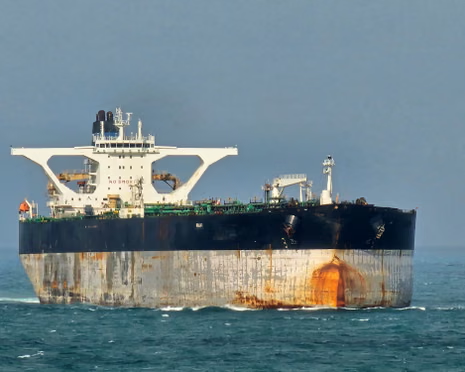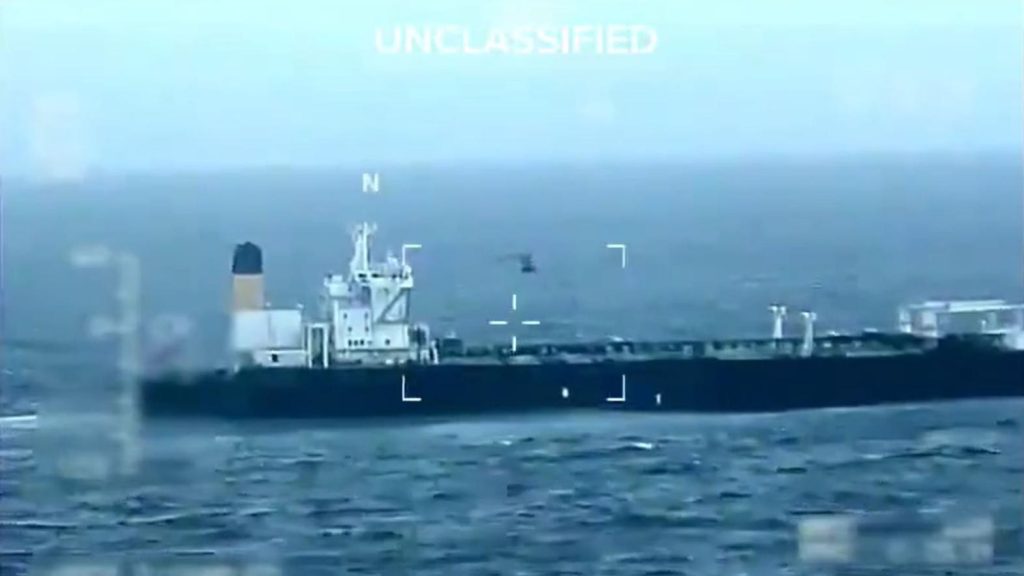

The 2026 Washington tanker seizure dispute underscores evolving maritime law and its implications for international trade and environmental policies. In early 2026, U.S. authorities seized a tanker off the coast of Washington State, alleging that the vessel was involved in illegal oil spills and violations of environmental regulations. This incident sparked a significant legal debate and raised questions about the interpretation of U.S. maritime law.
The tanker, registered under a foreign flag, was accused of discharging pollutants into the Pacific Ocean, violating both domestic laws such as the Clean Water Act and international agreements like the MARPOL Convention, which aims to prevent marine pollution from ships. The U.S. Coast Guard conducted the seizure under the premise of protecting marine ecosystems, especially given the ecologically sensitive areas along the Pacific Coast.
Maritime law traditionally grants jurisdiction to coastal states over vessels in their territorial waters, but the complexities of the modern shipping industry complicate this jurisdiction. Many vessels operate under flags of convenience, which can challenge enforcement actions by authorities. The situation with the seized tanker prompted discussions on sovereignty, accountability, and the responsibilities of flag states.
The tanker’s owners challenged the seizure in court, arguing that the U.S. had overstepped its jurisdiction and that its actions violated international maritime law principles. This defense put the spotlight on the relationship between national sovereignty and global maritime governance. Legal experts debated whether the U.S. had the right to enforce its environmental laws against foreign vessels engaged in international waters, raising potential implications for future enforcement actions and international relations.
The incident also underscored the growing urgency to address climate change and environmental degradation. As the world shifts toward prioritizing ecological considerations, maritime law is adapting to include stricter enforcement mechanisms regarding pollution prevention. This case may serve as a precedent for future disputes involving environmental violations at sea, particularly as climate policies evolve.
The 2026 Washington tanker seizure dispute exemplifies the ongoing clash between national interests, international law, and environmental stewardship. As maritime regulations continue to develop, stakeholders—from government agencies to shipping companies—will need to navigate the intricate interplay of jurisdiction, accountability, and ecological responsibility in a globalized economy. The outcome of this case could influence legislative changes and contribute to shaping a more sustainable and enforceable framework for maritime law moving forward.
For more details and the full reference, visit the source link below: