
US Military Attacks Iran in ‘Self-Defense Strikes’: Analyzing Recent Events
Overview of the Recent US-Iran Tensions
In the wake of escalating tensions between the United States and Iran, the US military launched a series of airstrikes against Iranian targets this past weekend, citing the strikes as “self-defense.” These strikes mark a significant intensification of hostilities in a region that has been a geopolitical powder keg for years. This article delves into the events leading up to the airstrikes, the strategic implications for both countries, and the broader geopolitical landscape in the Middle East.
Background: The Longstanding US-Iran Rivalry
The United States and Iran have a fraught relationship dating back to the 1979 Iranian Revolution and the subsequent hostage crisis. This ongoing rivalry has been characterized by military confrontations, economic sanctions, and proxy wars in the region. The Joint Comprehensive Plan of Action (JCPOA) signed in 2015 sought to curb Iran’s nuclear ambitions but faced challenges after the US withdrew from the agreement in 2018 under President Trump.
In the years following the withdrawal, tensions have escalated due to Iran’s pursuit of nuclear capabilities, attacks on US allies in the region, and hostile actions by Iranian-backed militant groups. This backdrop sets the stage for the recent military actions.
The Weekend Strikes: What Happened?
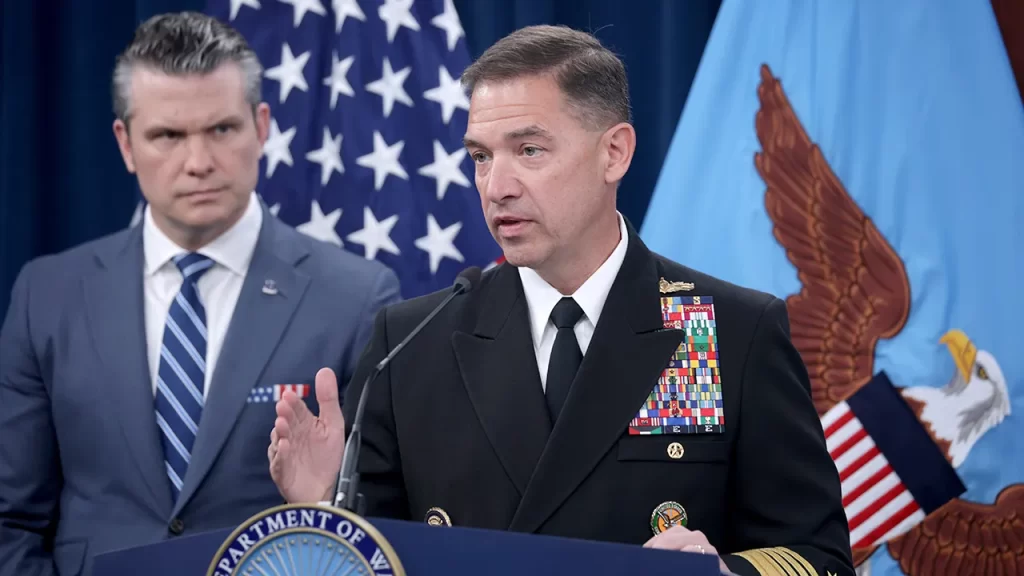
Over the weekend, the US launched airstrikes targeting Iranian military infrastructure and proxy forces in response to an attack on American troops in Iraq. The Pentagon described the airstrikes as necessary to protect US personnel and interests in the region, asserting that they were conducted in self-defense against a clear and immediate threat.
These strikes have raised questions both domestically and internationally regarding their legality and the potential for further escalation. Critics argue that such actions could spiral into a larger conflict, while supporters contend they are vital for ensuring the safety of American service members.
Strategic Implications of the Airstrikes
The recent airstrikes have several implications for US-Iran relations and security in the Middle East:
1. Escalation of Military Engagement
The strikes mark a sharp escalation in US military engagement with Iran, which could provoke retaliatory actions from Iranian forces or their proxy militias in Iraq and beyond. This could lead to a cycle of violence that complicates diplomatic efforts for resolving tensions peacefully.
2. Impact on Regional Allies
These military actions may also affect US alliances in the region. Countries like Saudi Arabia and Israel, which view Iran as a primary threat, may interpret the strikes as a reaffirmation of US commitment, potentially prompting them to take more aggressive stances against Iran. Conversely, there could be increased anti-American sentiment among certain groups in the region.
3. Threat to Diplomatic Solutions
With the US taking military action, the possibility of engaging Iran in diplomacy becomes increasingly complicated. These strikes could eliminate potential pathways for negotiation, further entrenching both nations in a cycle of retaliation rather than dialogue.
International Reaction and Diplomatic Fallout
The airstrikes have elicited a range of reactions from the international community. While US allies may support the strikes, countries like Russia and China have condemned them, advocating for a diplomatic resolution to the conflict. The UN Security Council may also face pressures to address this escalation, potentially complicating existing geopolitical alliances.
Humanitarian Concerns
The strikes raise pressing humanitarian concerns as well. Any military engagement in densely populated areas can lead to civilian casualties and exacerbate the already challenging humanitarian situation in regions like Iraq. This dimension is often overlooked in discussions of military strategy but is critical for maintaining stability in the region.
Analyzing the Future: What’s Next for US-Iran Relations?
Predicting the future of US-Iran relations following this weekend’s airstrikes is difficult. However, several potential scenarios could unfold:
1. Further Military Engagement
If Iran decides to retaliate, we could see an escalation of military operations from both sides. Such a scenario might involve targeted attacks on US bases or military interests in the region, leading to a full-blown conflict.
2. Return to Diplomacy
Alternatively, the airstrikes could serve as a wake-up call for both nations to reconsider their positions. This could pave the way for renewed diplomatic efforts aimed at de-escalation and perhaps even a new agreement regarding Iran’s nuclear program.
3. Increased Internal Pressure
Both the US and Iranian governments may face growing internal pressures as citizens tire of prolonged conflict. In Iran, public dissent against government policies could rise, especially if military engagements lead to heightened instability. In the US, the call for transparency and accountability in military engagements may invite challenges to current foreign policies.
Conclusion: A Critical Juncture for the Middle East
The US military’s airstrikes on Iranian targets this past weekend represent a crucial turning point in US-Iran relations, highlighting the multifaceted dynamics of regional security, international law, and humanitarian considerations. As these nations stand on the brink of potential conflict, the importance of diplomatic solutions cannot be overstated. Both parties must consider the risks of escalation and the benefits of negotiations to avert a larger crisis, not just for their own populations but for the stability of the entire Middle East.
SEO Optimization TIPs
-
Keywords: Utilize key phrases like “US military attacks Iran,” “self-defense strikes,” “US-Iran relations,” and “Middle East conflict” throughout the article, especially in headings and subheadings.
-
Meta Description: Write a compelling meta description summarizing the article in 155 characters, including primary keywords.
-
Internal Links: If applicable, link to other relevant articles or sources on your site to improve navigation and SEO performance.
-
External Links: Cite reputable sources to establish authority and provide readers with further context.
-
Engaging Content: Use subheadings, bullet points, and short paragraphs to enhance readability and retain user engagement.
The complexity of the US-Iran situation requires nuanced understanding, and this article aims to shed light on the most recent events and their broader implications.