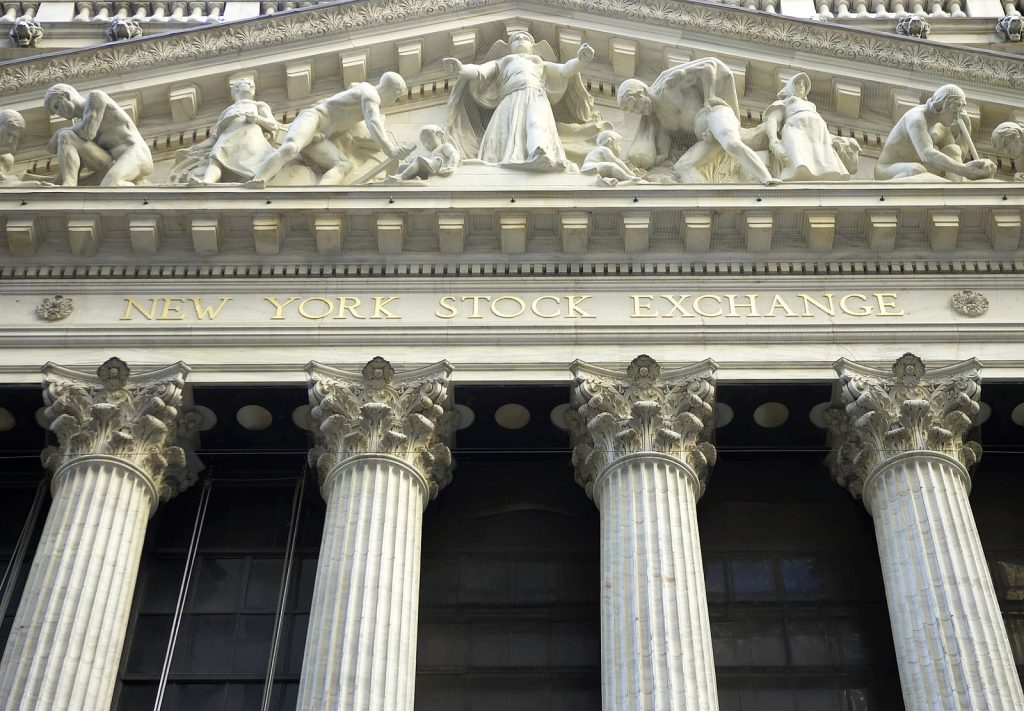

The U.S. stock markets wrapped up a tumultuous week on a downward trend, reflecting a blend of investor anxiety and macroeconomic factors that have been at play in recent months. Following a period of uncertainty fueled by rising inflation rates, shifting monetary policy, and geopolitical tensions, traders responded to a series of disheartening economic indicators that eroded market confidence.
Volatility was the defining characteristic of the week, as major indices, including the S&P 500, the Dow Jones Industrial Average, and the Nasdaq Composite, experienced sharp fluctuations. Early in the week, markets showed signs of resilience, buoyed by some positive earnings reports and optimism around consumer spending. However, this brief period of hope was quickly overshadowed by fears surrounding persistent inflationary pressures. Reports indicating that inflation may remain elevated for longer than anticipated sent shockwaves through the financial community, leading to a sell-off.
Investors seemed particularly spooked by the Federal Reserve’s ongoing commitment to aggressive interest rate hikes to combat inflation. Speculation regarding future rate increases has created an atmosphere of unease, with many fearing that excessive tightening could stifle economic growth. This sentiment was echoed in sectors such as technology and consumer discretionary, which are often more sensitive to changes in interest rates. As a result, stocks in these categories faced considerable declines, further dragging down overall market performance.
Geopolitical factors also played a significant role in exacerbating the week’s volatility. Concerns surrounding international tensions, including ongoing conflicts and supply chain disruptions, added to the market’s uncertainty. Investors are grappling with the potential for a global economic slowdown, further complicating the outlook for U.S. companies that rely on international markets.
The week also spotlighted the disparity between different sectors. While technology stocks faced pronounced challenges, defensive sectors such as utilities and healthcare showed some resilience, as investors sought refuge in more stable investments amid the chaos.
In conclusion, the U.S. stock markets ended the week lower, reflecting a complex intersection of rising inflation, Federal Reserve policy, and geopolitical tensions. As investors brace for continued volatility, market watchers are keenly focused on forthcoming economic data that could influence both monetary policy and market sentiment. The coming weeks will be crucial in determining whether the markets can stabilize or if the downward trajectory will persist, highlighting the ongoing challenges faced by the global economy.
For more details and the full reference, visit the source link below:
Read the complete article here: https://www.stl.news/us-stock-markets-end-week-lower-jan-30-2026/