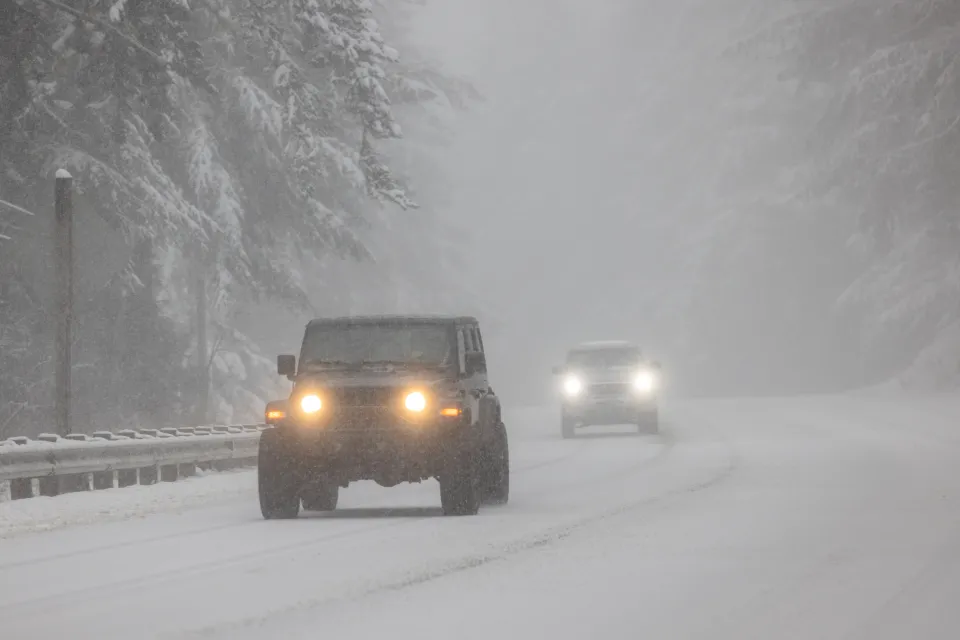

The winter storms of 2026 have undoubtedly highlighted the vulnerabilities of the U.S. transportation infrastructure. Beginning in late January and extending well into February, a series of severe weather events, characterized by heavy snowfall, freezing rain, and intense winds, wreaked havoc across multiple states, leading to widespread travel disruptions.
Air travel has been one of the most significantly impacted sectors. Airports in major hubs like Chicago, New York, and Denver experienced substantial delays and cancellations as snow accumulation exceeded forecasted amounts. With nearly 70% of flights delayed at times, passengers were left stranded, facing long lines for rebooking and limited options for accommodation. The impact was not limited to flights; major airlines activated their contingency plans, mobilizing additional resources and staff to assist stranded travelers, but capacity was overwhelmed.
Road travel was equally chaotic. Interstate highways turned treacherous, with numerous states issuing travel advisories. In states like Pennsylvania and Ohio, some regions saw snow accumulation reaching over three feet, resulting in emergency declarations. Authorities urged residents to stay off the roads unless absolutely necessary, but many were caught unprepared, leading to numerous accidents and blocked roads. Snowplows struggled to keep up with the rapid accumulation, and the freezing temperatures rendered many salt and brine solutions less effective.
Public transport systems also faced severe challenges. Cities like Boston and Washington, D.C. reported significant delays and service interruptions in buses and subways. Mass transit agencies scrambled to deploy snow-clearing equipment, but the sheer volume of snow presented an insurmountable challenge in many areas. Commuters in urban settings, accustomed to relying on public transport for daily travel, found themselves stranded as service ground to a halt.
The economic implications of these winter storms are substantial. Businesses dependent on just-in-time delivery systems faced delays, escalating costs for logistics. Resorts and tourism-dependent economies braced for cancellations, while delivery drivers faced hazardous conditions, slowing the flow of essential goods.
Community responses to the severe weather showcased resilience and solidarity. Local organizations and emergency services mobilized to assist residents, offering warm shelters and outreach for those affected. As communities looked to recover, discussions around improving infrastructure and preparing for future weather patterns gained traction, further emphasizing the pivotal role of climate adaptation in policy-making.
The winter storms of 2026 serve as a stark reminder of the impact of severe weather events on travel disruptions, economic stability, and community resilience in the face of increasingly unpredictable winter conditions.
For more details and the full reference, visit the source link below: