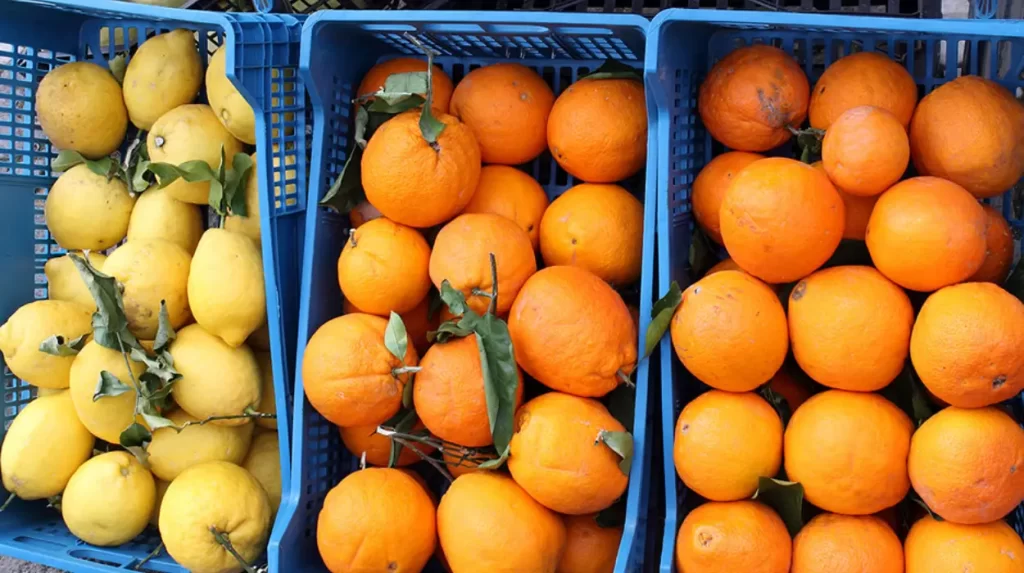

The Valencia region of Spain has recently witnessed a surge of opposition from farmers against the European Union-Mercosur trade agreement. This pact, which seeks to strengthen trade ties between the EU and Mercosur countries—namely Argentina, Brazil, Paraguay, and Uruguay—has become a contentious topic among local agricultural communities. Farmers fear that the agreement could adversely impact their livelihoods, threatening both their agricultural practices and the local economy.
The fundamental concern for Valencia’s farmers revolves around the potential influx of South American agricultural products, particularly beef and soy, which are produced at lower costs due to different farming regulations and standards. For many in Valencia, this represents unfair competition. They argue that local produce, which meets stringent EU quality and environmental regulations, could be overshadowed by cheaper imports that do not adhere to the same standards. Farmers are particularly worried about the implications for quality control and food safety, as the European market is known for its high benchmarks.
Another significant concern is the environmental impact of increased imports. Many Valencia farmers are committed to sustainable farming practices, aligning with the EU’s Green Deal goals aimed at promoting eco-friendly agriculture. The Mercosur countries, however, have faced criticism for practices that contribute to deforestation, particularly in the Amazon. Valencia’s farmers fear that the trade agreement could indirectly support these environmentally detrimental practices by increasing demand for beef and soy, ultimately putting their own sustainability efforts at risk.
Moreover, the cultural aspect cannot be ignored. Agriculture has deep roots in Valencia, with rich traditions and local products that define the region’s culinary identity. Farmers are worried that the EU-Mercosur agreement could dilute the value of these products and diminish the cultural significance of local agricultural practices. The fear is that consumers, drawn in by cheaper imported goods, may overlook locally-sourced options, posing a threat to traditional farming and local food systems.
In response, Valencia’s agricultural communities have begun organizing protests and lobbying efforts to raise awareness about their concerns. They advocate for re-evaluating the trade terms to ensure that farmers in the EU are not disproportionately affected. They are calling for more stringent protection measures, such as tariffs on imported goods that compete directly with local produce and implementing safeguards to protect local farmers from market fluctuations.
The ongoing debate around the EU-Mercosur agreement highlights the complex interdependence between trade policies, agricultural practices, environmental sustainability, and cultural identity. As discussions continue, it remains crucial for policymakers to balance the needs of farmers in Valencia with the broader goals of international trade and economic cooperation.
For more details and the full reference, visit the source link below: