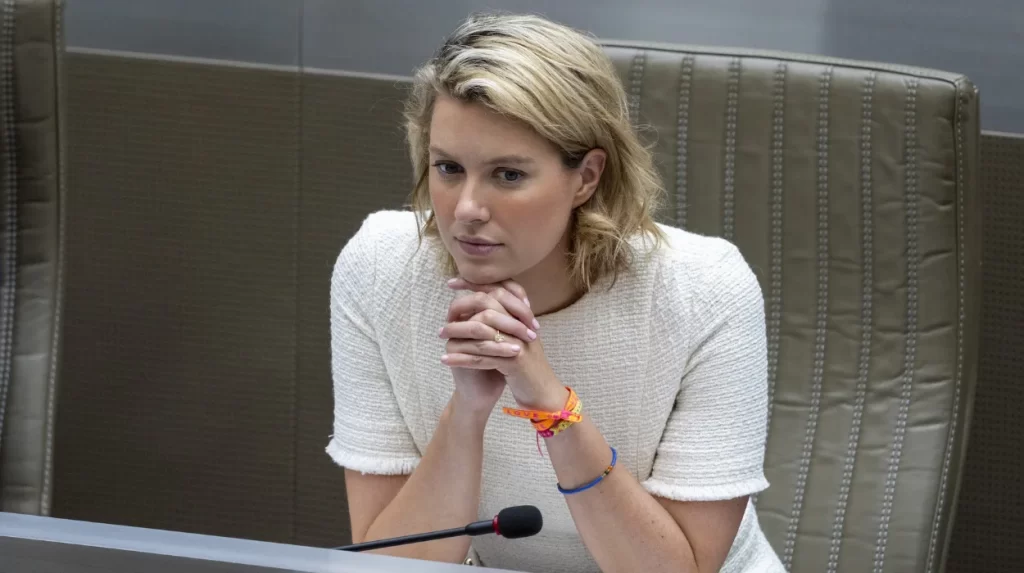

In a significant development regarding civil liberties and public demonstrations, Mayor of the Dutch city of Utrecht, Sharon van Doesburg, has secured the legal right to prohibit pro-Palestinian protests on the Grote Markt, the city’s central square. This decision has sparked intense debate regarding freedom of expression, public safety, and the complexities surrounding the ongoing Israel-Palestine conflict.
The move comes amid heightened tensions and a surge in protests worldwide concerning the Gaza Strip, where reports of violence and humanitarian crises have prompted responses from various groups advocating for Palestinian rights. While the intention behind these protests is often to raise awareness and garner support for a cause, local authorities cite concerns about public order and safety as primary motivations for implementing such a ban.
The Grote Markt, being a significant public space, has historically been a hub for social movements and political discourse. Van Doesburg’s decision underscores a growing trend among various European cities to manage public demonstrations, especially those perceived to escalate tensions or provoke counter-protests. The Mayor’s office justified the ban by stating that previous demonstrations had led to unrest, drawing in groups with polarized views that have historically clashed.
Critics of the ban voice concerns that such a restriction on protests limits freedom of speech and undermines democratic principles. They argue that dissent and civil expression are crucial in a functioning democracy, especially on contentious issues such as the Israel-Palestine situation, which invokes strong emotions and differing perspectives. Activists emphasize the importance of allowing voices advocating for human rights and humanitarian aid to be heard.
Supporters of Van Doesburg’s decision often focus on public safety, arguing that maintaining order is essential in urban settings. They fear that the ban serves as a necessary measure to prevent escalation into violence, which could endanger not just those participating in the protests but also innocent bystanders.
This legal outcome also reflects broader conversations across Europe about the balance between maintaining social order and safeguarding individual rights. As the situation in the Middle East continues to evolve, so too will the conversations surrounding how best to manage the voices of protest in cities worldwide.
In conclusion, the implications of Mayor Van Doesburg’s decision to ban pro-Palestine protests on the Grote Markt are multifaceted, raising fundamental questions about the nature of civil rights and responsibilities in contemporary society. The ongoing discourse will undoubtedly shape future policymaking as cities wrestle with the challenges of upholding both public safety and the fundamental principles of free expression.
For more details and the full reference, visit the source link below: