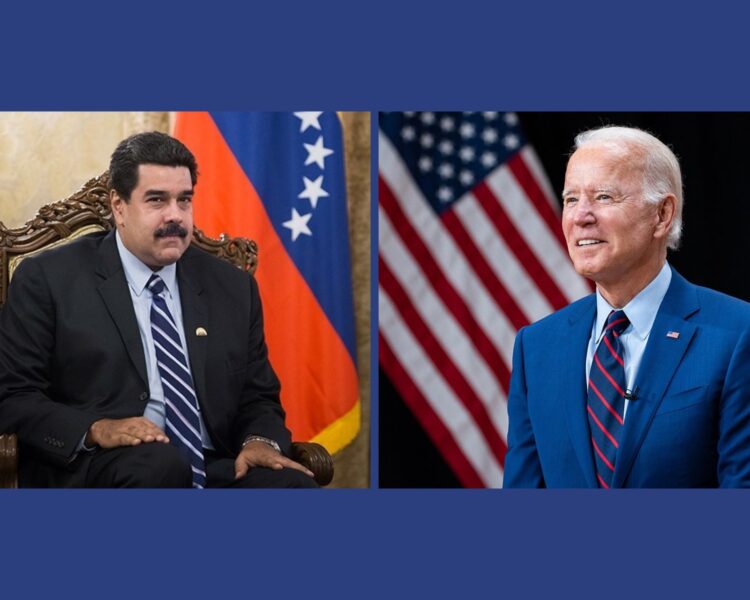

In 2026, the geopolitical landscape of Venezuela may undergo a significant transformation, particularly in its relationship with the United States. As the Venezuelan government continues to grapple with economic turmoil, social unrest, and political fragmentation, the necessity for cooperation with the U.S. could potentially pave the way for a critical policy shift. Several factors are fueling this potential realignment, including humanitarian concerns, energy resources, and regional stability.
Venezuela’s ongoing crises have spurred one of the largest migrations in Latin America’s history. Millions of Venezuelans have fled their homeland in search of basic necessities, and international organizations have raised alarms over the humanitarian disaster. The United States, historically a major player in Latin American affairs, has the capacity to offer crucial aid and support. A policy shift towards engagement rather than isolation could foster stability. This newfound cooperation would aim to address immediate humanitarian needs, improve living conditions within Venezuela, and potentially lay the groundwork for long-term recovery.
Energy resources also play a vital role in the U.S.-Venezuela dynamic. Venezuela is endowed with some of the world’s largest oil reserves. However, years of mismanagement, corruption, and U.S. sanctions have crippled its oil production. As global energy demands increase and geopolitical tensions influence oil supplies—from the Middle East to Russia—the U.S. may find it increasingly beneficial to engage with Venezuela to stabilize oil production. A cooperative approach could help reinstate operational capacity in the Venezuelan oil industry while also reducing dependency on other less stable regions.
Regional stability remains another compelling reason for potential cooperation. As various nations in Latin America navigate their political and economic challenges, including the rising influence of left-wing governments, the U.S. may recognize that constructive engagement with Venezuela could mitigate broader regional tensions. A collaborative strategy that includes diplomatic dialogues with other Latin American nations could also cultivate a more cohesive and stable political environment across the continent.
However, both nations will need to address underlying issues, including human rights abuses and democratic governance. A sustainable approach requires genuine dialogue involving Venezuelan civil society and international stakeholders, ensuring that the populace has a voice in shaping its future.
In conclusion, the potential for a critical policy shift in U.S.-Venezuela relations by 2026 hinges on addressing humanitarian, economic, and political factors. A cooperative pathway could facilitate a new dynamic that benefits not only both nations but also contributes to regional stability. The coming years will reveal whether the U.S. and Venezuela can bridge their historical divides for the sake of mutual benefit and broader peace in Latin America.
For more details and the full reference, visit the source link below:
Read the complete article here: https://brusselsmorning.com/venezuela-cooperation-us-2026/89773/