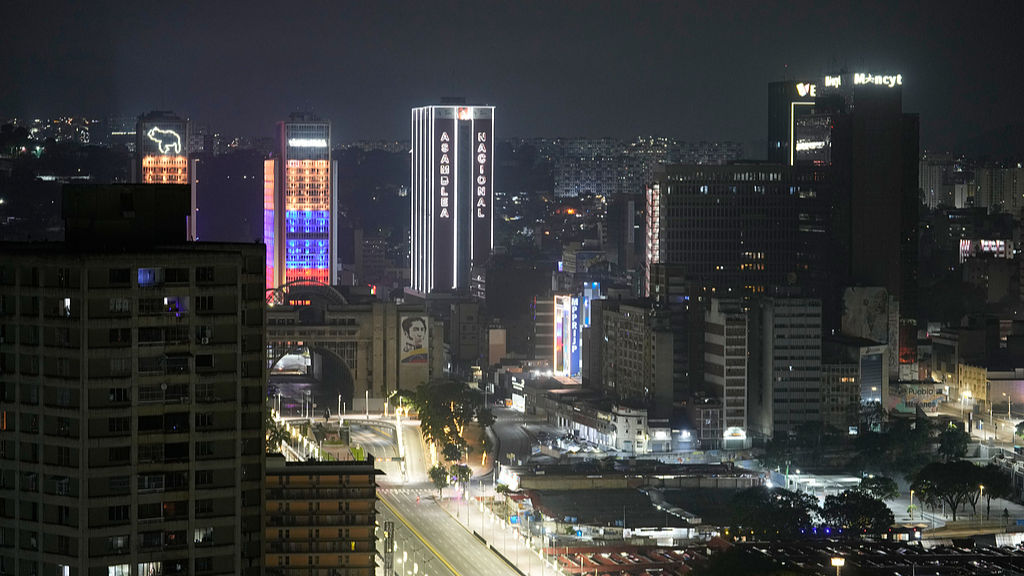

The Venezuela crisis of 2026 has vividly exposed the deepening power struggle within Caracas, a city that has long served as a focal point for political, economic, and social turmoil in the country. This ongoing instability is not merely a consequence of external factors but rather a culmination of internal strife among various factions vying for control in a nation rich in resources yet impoverished by mismanagement and corruption.
In 2026, Venezuela’s already spiraling economy faced another downward spiral, characterized by hyperinflation, food shortages, and a collapse of public services. Oil, once the lifeblood of the Venezuelan economy, saw production plummet due to political upheavals and a lack of investment. These economic challenges fueled public discontent, leading to widespread protests against the government, largely viewed as authoritarian and ineffective under the leadership of Nicolás Maduro and other entrenched officials.
The polarization among key political players became increasingly pronounced. The opposition, comprised of various groups ranging from moderate reformists to radical factions, sought to capitalize on the mounting frustration. They aimed to present a united front but were often undermined by infighting and conflicting agendas. On the other side, Maduro’s government, relying on military support and strategic alliances with loyalist groups, has employed tactics of repression to stifle dissent and maintain its power.
The crisis in 2026 has attracted international attention, with various foreign entities attempting to influence the outcome. Nations like the United States and members of the European Union have imposed sanctions, seeking to pressure the Venezuelan leadership into negotiations. Conversely, Russia and China have remained steadfast allies of Maduro, providing critical support and complicating any diplomatic resolutions. This geopolitical chess game adds another layer of complexity to the already volatile situation in Caracas.
Moreover, the humanitarian impact of the crisis cannot be overstated. Millions of Venezuelans have fled their country, creating a regional migration crisis that affects neighboring countries. Those who remain face dire living conditions, often forced to navigate black markets for basic goods. The health care system is in shambles, underscoring how the struggle for power extends beyond politics into the realm of human suffering.
The situation in Venezuela continues to evolve, with the power struggle in Caracas likely to shape the country’s future for years to come. As both internal and external forces vie for influence, the potential for change remains uncertain. Until political unity and economic stability are achieved, Venezuela will remain trapped in a cycle of crisis, exacerbated by the relentless pursuit of power among its leaders. In this ongoing saga, the Venezuelan people are left to bear the brunt of the fallout, hoping for a resolution that seems ever more distant.
For more details and the full reference, visit the source link below:
Read the complete article here: https://brusselsmorning.com/venezuela-crisis-2026/89264/