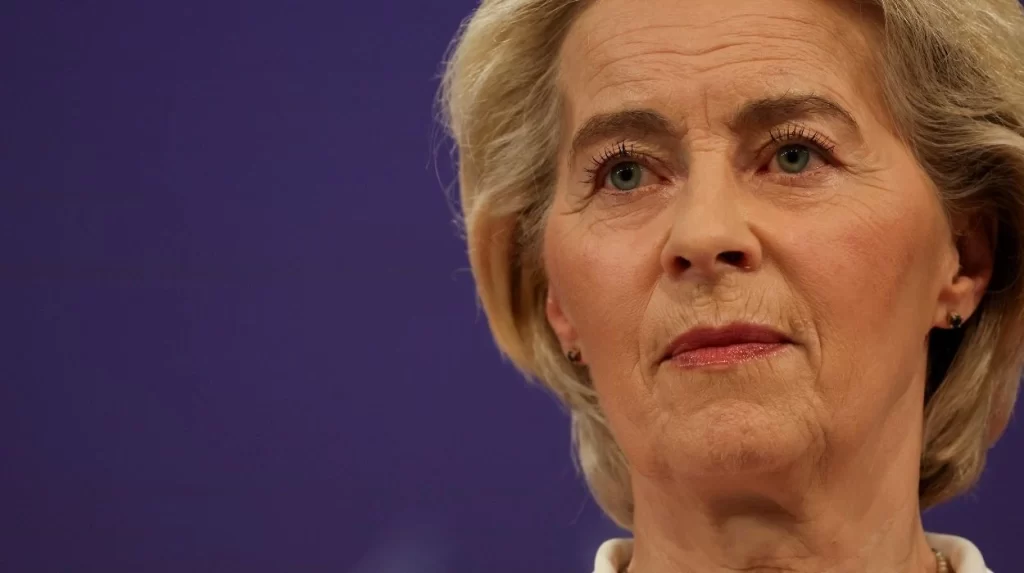

In light of recent territorial claims over Greenland, European Commission President Ursula von der Leyen has emphasized the importance of cooperation between the European Union (EU) and the United States. The Arctic region, particularly Greenland, has gained significant geopolitical interest due to its vast natural resources and strategic shipping routes, exacerbated by climate change. As melting ice opens up new pathways, both the US and EU recognize the need to work together to ensure stability and sustainable development in this fragile region.
Von der Leyen’s statement came amid renewed attention to Greenland, an autonomous territory of Denmark, which has been the subject of various international claims related to fishing rights, mineral extraction, and geopolitical influence. The strategic location of Greenland makes it a focal point for discussions of security and economic cooperation, especially as nations like China have also expressed interest in the area. In light of this, von der Leyen’s pledge signals a commitment to not just safeguarding territorial integrity but also ensuring that development is carried out responsibly and in accordance with environmental preservation.
The EU and the US have historically shared strong ties, but the nuances of Arctic policy have sometimes strained those relations. The Biden administration has shown a renewed interest in engaging with Arctic affairs, particularly in combating climate change and fostering sustainable practices. Von der Leyen’s assurance of EU support underscores a united front in addressing these challenges. This partnership also opens avenues for collaboration on infrastructure investments and green technology, vital for climate resilience in an increasingly vulnerable area.
Moreover, the cooperation between the EU and US may serve to counterbalance the influence of other nations actively seeking to expand their presence in the Arctic. By reinforcing their commitment to shared values of democracy, human rights, and environmental responsibility, both parties can provide a stabilizing force amidst rising tensions.
Von der Leyen’s remarks invite a broader discussion on the necessity for multilateral diplomacy in Arctic governance. Ongoing dialogues with indigenous communities, environmental groups, and international organizations will be crucial. The protection of the unique ecosystems of Greenland must take precedence, ensuring that development does not compromise the rights of local populations or the region’s biodiversity.
In summary, von der Leyen’s pledge for EU-US cooperation on Greenland reflects a proactive approach to managing emerging geopolitical concerns in the Arctic. By working together, both entities can foster a sustainable and peaceful future for Greenland, prioritizing environmental protection and inclusive governance while navigating the complexities of territorial claims and international diplomacy.
For more details and the full reference, visit the source link below: