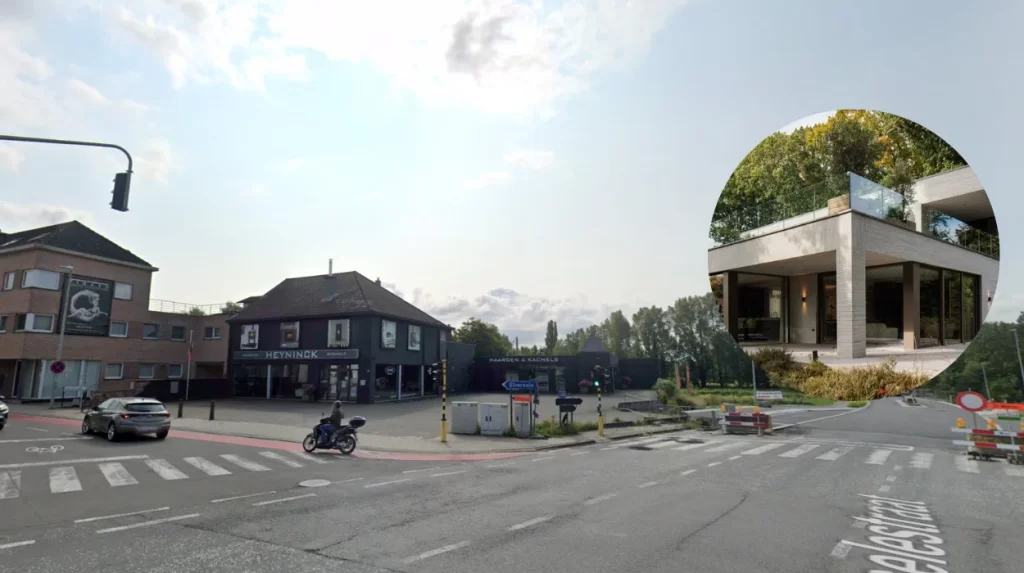

In Waasmunster, a municipality in Belgium, local authorities have introduced a new regulation concerning the development of apartments in the scenic area known as De Heide. According to the new zoning limit established by the local government, prospective developers can only build one apartment for every 2,000 square meters of land in this region. This policy marks a significant shift in the approach to urban planning and development in Waasmunster, emphasizing sustainability and community well-being.
The ruling aims to preserve the ecological integrity of De Heide, a cherished natural area that is home to diverse flora and fauna. By limiting density, the municipality seeks to mitigate the impact of urbanization on the environment. This careful balance reflects a growing recognition of the necessity to intertwine development with ecological preservation. The zoning limit discourages overdevelopment and ensures that the natural landscape remains intact, benefiting not just wildlife but also enhancing the quality of life for residents.
Moreover, this regulation seeks to uphold the character of Waasmunster as a peaceful, semi-rural community. The spread-out nature of housing promotes a sense of space and tranquility, distinguishing it from more densely populated urban centers. By maintaining lower residential density, the municipality fosters an atmosphere of community and connection among its inhabitants, where people can enjoy the outdoors and engage with their neighbors without the stress often associated with high-density living.
Critics of the policy may argue that such restrictions could limit housing availability, potentially driving up property prices and making it more challenging for newcomers to settle in the area. However, proponents contend that the quality of life and environmental sustainability offered by the regulation far outweigh potential drawbacks. They assert that by prioritizing responsible development, Waasmunster can attract residents who value these attributes, thereby fostering a community grounded in shared values of sustainability and quality living.
On a broader level, this initiative reflects a growing trend among municipalities worldwide that prioritize sustainable urban development practices. Cities are increasingly recognizing the importance of integrating green spaces and limiting urban sprawl. The decision in Waasmunster serves as an important model for other communities grappling with the challenges of balancing development and preservation.
In summary, Waasmunster’s new regulation limiting apartments in De Heide to one per 2,000 square meters showcases a forward-thinking approach to urban planning. By prioritizing ecological sustainability and community well-being, the municipality sets a precedent for responsible development practices. This initiative underlines the necessity of aligning growth with environmental stewardship, ensuring that the natural beauty and charm of Waasmunster endure for future generations.
For more details and the full reference, visit the source link below: