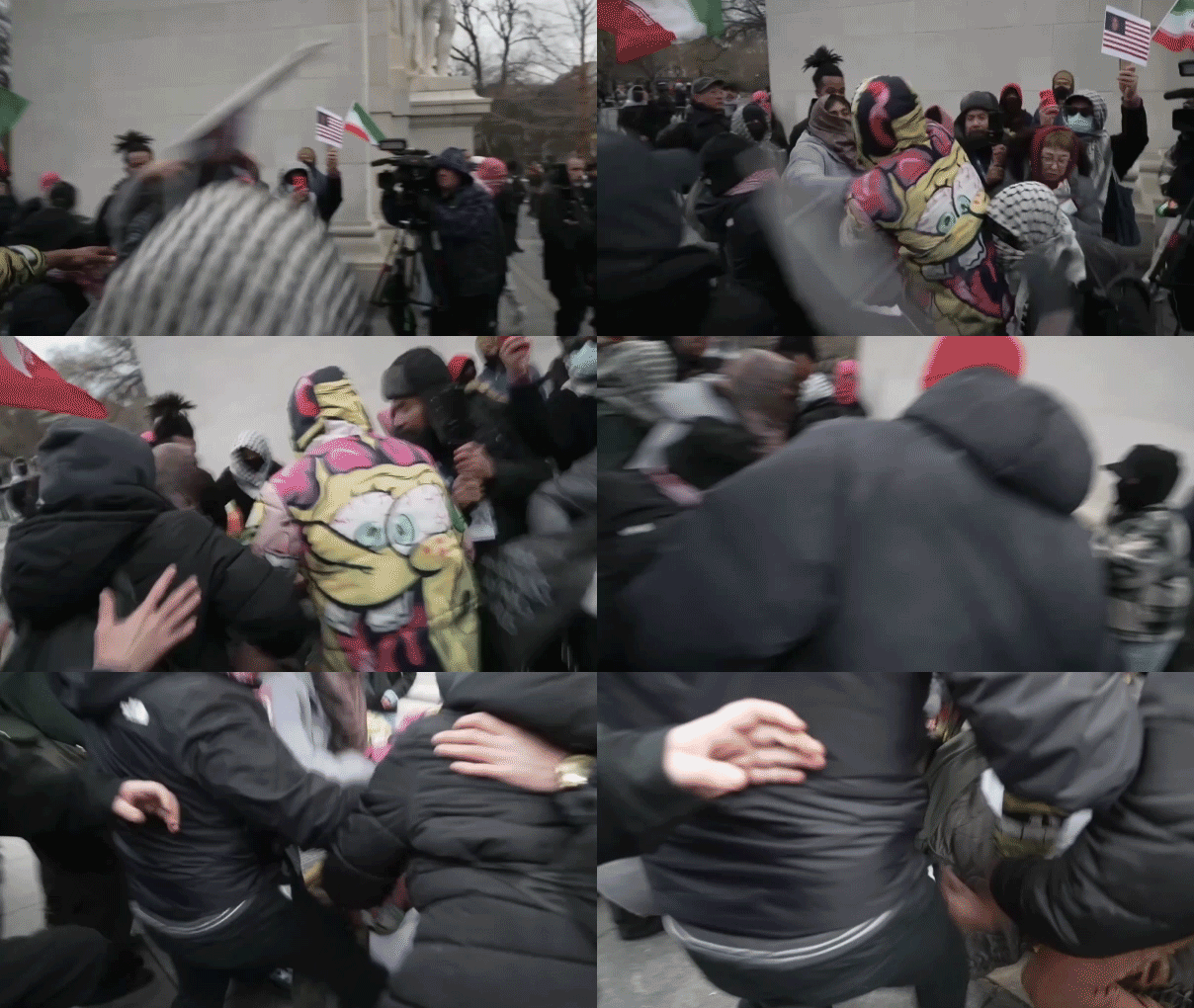

Washington Square Park Vigil for Ayatollah Khamenei Turns Violent
Introduction
In a surprising and tense turn of events, a peaceful vigil held in Washington Square Park to honor Ayatollah Ali Khamenei devolved into chaos and violence. The event, initially organized as a platform for supporters to express their admiration and solidarity with the Iranian leader, quickly attracted counter-protests, leading to clashes that drew significant media attention. This article delves into the background, unfolding events, and implications of the vigil-turned-violent incident.
Background of the Vigil
Who is Ayatollah Khamenei?
Ayatollah Ali Khamenei has been the Supreme Leader of Iran since 1989, guiding the country through a tumultuous political landscape characterized by domestic unrest and international sanctions. His leadership is often met with polarized opinions, both in Iran and abroad. While some view him as a stalwart defender of Islamic values and Iranian sovereignty, others criticize him for his authoritarian governance and human rights violations.
Purpose of the Vigil
The vigil was organized by a group of Iranian expatriates and supporters who regard Khamenei as a symbol of resistance against Western imperialism. They aimed to highlight his role in promoting Islamic ideals and emphasize their support for the Iranian government amidst ongoing tensions with various nations, particularly the United States.
The Lead-Up to the Event
Social Media Mobilization
In the days leading up to the vigil, social media played a crucial role in mobilizing supporters. Hashtags related to Khamenei and #StandWithIran trended, galvanizing activists and supporters from various demographics. This digital outreach aimed to create a significant presence in Washington Square Park.
Counter-Protesters Arise
However, the growing visibility of the vigil attracted the attention of counter-protesters who opposed Khamenei’s regime and expressed solidarity with the Iranian populace suffering under his rule. This group included activists advocating for human rights, democracy, and freedom for Iranians.
The Day of the Vigil
Initial Atmosphere
On the day of the vigil, Washington Square Park was filled with a mix of enthusiasm and tension. Supporters of Khamenei gathered, chanting slogans and waving banners affirming their allegiance. Many attendees wore traditional Persian attire, celebrating their heritage and showcasing their pride in Iran’s history.
Emergence of Tensions
As the vigil proceeded, counter-protesters began to arrive. Tensions escalated, leading to verbal confrontations between the two groups. While organizers attempted to maintain peace and promote a message of unity, inflammatory rhetoric from both sides fueled the fire.
Clashes Erupt
Initial Confrontation
What started as a tense exchange of words rapidly escalated into physical altercations. Bottles and other objects were thrown as emotions ran high, leading to a chaotic scene in the park. Law enforcement agencies were soon called in to manage the situation, but their presence did little to quell the unrest.
Chaos Ensues
As the clashes intensified, chaos erupted in various parts of Washington Square Park. Searchlights illuminated the pandemonium as police worked to separate the two factions. Multiple arrests were made, and several individuals were reported injured. Eyewitness accounts varied, with some claiming that police escalated the situation by making aggressive moves to disperse the crowd.
Public and Media Reaction
Media Coverage
The violent turn of the vigil garnered extensive media coverage, with news outlets providing updates throughout the day. Graphic images and videos circulated on social media platforms, igniting further discussions regarding free speech, protest rights, and the complexities of international relations.
Statements from Officials
New York City officials condemned the violence and called for dialogue and understanding. The incident has sparked debates about the appropriateness of holding such polarizing vigils in public spaces, especially when strong political sentiments are involved.
Implications for Future Protests
Safety Concerns
The violence at Washington Square Park raises significant concerns for the safety of future protests. Organizers of both pro-Khamenei and counter-protests may need to reconsider strategies for ensuring a peaceful atmosphere, especially in high-traffic areas like Washington Square Park.
Political Climate
The incident illustrates the increasingly charged political climate surrounding issues related to Iran. With heightened tensions after recent sanctions and conflicts, public expressions of support or opposition to Khamenei and his policies can invoke strong reactions.
Conclusion
The vigil for Ayatollah Khamenei in Washington Square Park serves as a stark reminder of the complexities of political expression in contemporary society. What began as a gathering to honor a controversial leader quickly devolved into violence, highlighting the deep divides over the Iranian regime. Moving forward, it is crucial for organizers and participants to prioritize safety and engagement in constructive dialogue to mitigate potential conflicts and promote understanding.
This incident not only impacts the immediate community but also resonates on a larger scale, reflecting the ongoing struggles for freedom, rights, and identity in a global context. As we reflect on this event, it is essential to foster a culture of dialogue rather than division, enabling individuals to articulate their beliefs in a manner that promotes respect and understanding among all parties involved.