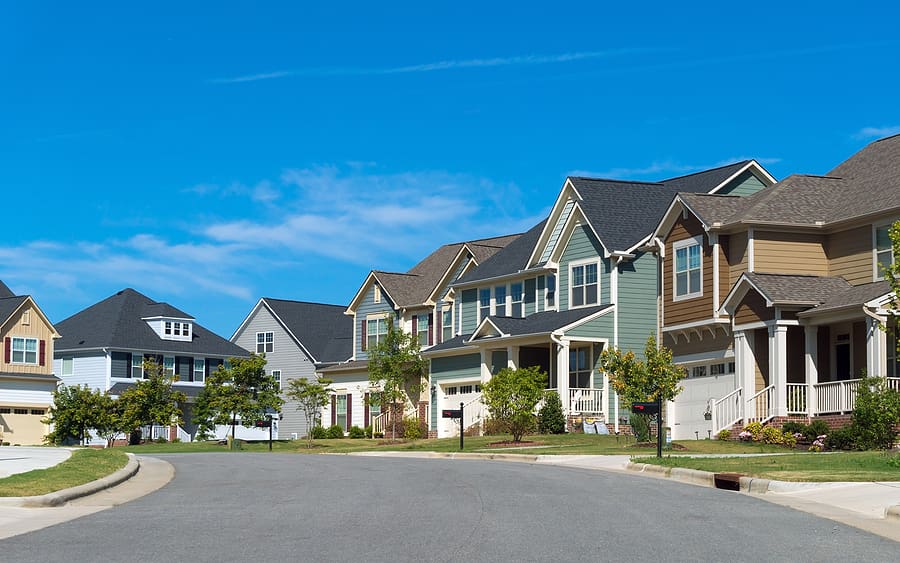

What Homeowners Need to Know
Owning a home is often considered part of the American dream, but it also comes with significant responsibilities and knowledge requirements. Understanding the intricacies of homeownership can make the experience enjoyable and rewarding rather than overwhelming.
Financial Responsibilities
First and foremost, homeowners need to grasp the financial commitments involved. Beyond the mortgage payments, which often represent at least 15-30 years of debt, owners should budget for property taxes, homeowner’s insurance, and potential homeowners association (HOA) fees. Every homeowner must also understand the importance of maintaining an emergency fund, ideally covering 3-6 months of expenses, to address unexpected issues like significant repairs or sudden loss of income.
Maintenance and Upkeep
Regular maintenance is crucial to preserving the value of a home. This includes seasonal tasks like gutter cleaning, HVAC system checks, and lawn care. Neglecting regular maintenance can lead to larger, costlier problems down the line. Homeowners should consider creating a maintenance schedule to ensure nothing falls through the cracks. It’s also wise to set aside a portion of the budget—typically 1-3% of the home’s value annually—for repairs and improvements.
Understanding Home Equity
Home equity—the portion of the home that owners actually own versus what they owe on their mortgage—plays a significant role in personal finance. As mortgage payments are made and property values increase, homeowners build equity, which can be tapped into later for loans or used in the event of selling the home. A sound understanding of equity can aid in making informed financial decisions.
Insurance Coverage
Homeowners insurance is essential for protecting one’s investment. It’s imperative to fully understand the policies in place, what they cover, and what exclusions exist. Regular reviews of insurance policies can ensure adequate coverage, especially as property values fluctuate or improvements are made.
Legal Obligations
Homeowners are also subject to legal obligations concerning zoning laws, property lines, and building codes. Failing to comply with these regulations can lead to fines or legal issues, so it’s a good idea to familiarize oneself with local laws, especially before undertaking renovations or improvements.
Community and Neighborhood
Lastly, being a good neighbor and participating in the community can enhance the homeowner experience significantly. Engaging with neighbors fosters a sense of belonging and can create support networks when issues arise.
In summary, successful homeownership requires a blend of financial savvy, maintenance awareness, legal understanding, and community engagement. By staying informed and proactive, homeowners can ensure their investment is not only a place to live but also a thriving asset for the future.
For more details and the full reference, visit the source link below: