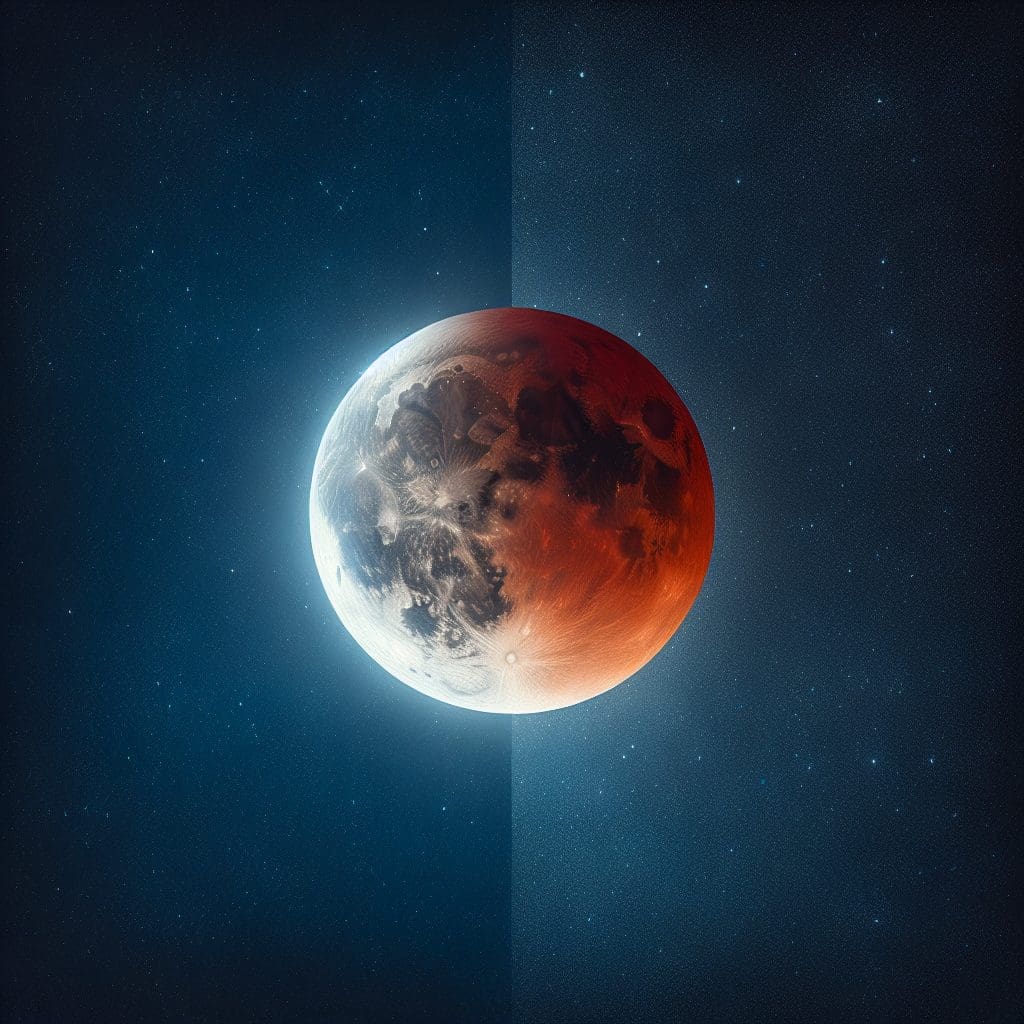

When and How to Observe the Total Lunar Eclipse on March 3
A total lunar eclipse is a spectacular astronomical event that presents a unique opportunity for skywatchers around the world. On March 3, stargazers will be treated to a total lunar eclipse, where the Earth passes directly between the Sun and the Moon, casting a shadow that envelops the lunar surface. This fascinating phenomenon occurs approximately every two to three years, making it a rare event not to be missed.
Timing of the Eclipse
The eclipse will occur on the night of March 3, and the timing varies based on your location. Generally, the totality phase—when the Moon is fully within Earth’s shadow—will last around one hour. Before this phase, the Moon will transition through the penumbral and partial stages. Penumbral eclipse begins around 8:00 PM (UTC), followed by the partial eclipse at 9:15 PM (UTC), and the total eclipse at approximately 10:30 PM (UTC). If you’re in North America, this translates to favorable evening viewing hours, especially in the eastern time zone where it will peak around 10:30 PM.
How to Observe the Eclipse
Observing a lunar eclipse is relatively simple, as it requires no special equipment, unlike solar eclipses. However, binoculars or a telescope can enhance the experience, allowing for closer examination of the Moon’s surface features. Unlike solar eclipses, where you must protect your eyes, lunar eclipses are safe to view with the naked eye, making them accessible to everyone.
Finding the Best Viewing Location
To fully enjoy the total lunar eclipse, it’s essential to find a good viewing location. Look for a place with minimal light pollution, such as a park or a field away from city lights. An open area with a clear view of the eastern horizon is ideal, as the Moon will rise in the east during this event. Bring along a blanket or chair to sit comfortably as you wait for the eclipse to unfold.
Capture the Moment
For photography enthusiasts, this event also presents an excellent opportunity to capture stunning images of the Moon in its various phases. A camera with manual settings can be very beneficial, and using a tripod will help stabilize your shots. As the Moon changes color, shifting from a bright white to a deep red hue during totality, be ready to adjust your exposure settings to capture the best result.
In essence, the total lunar eclipse on March 3 is an astronomical marvel that invites observers from all corners of the globe. By timing your viewing, selecting a suitable location, and perhaps even capturing the event through photography, you can create lasting memories of this celestial display. Enjoy the show!
For more details and the full reference, visit the source link below: