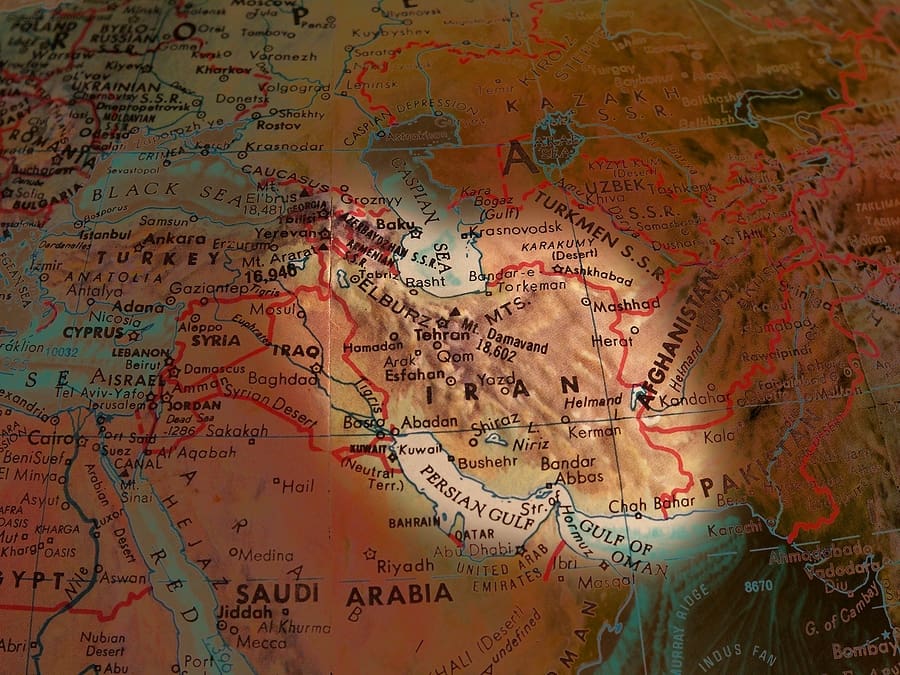

The relationship between the United States and Iran has been fraught with tension for decades, characterized by a complex web of historical grievances, geopolitical interests, and ideological clashes. As of 2023, the dynamics continue to evolve, influenced by a range of factors including regional stability, nuclear negotiations, and broader international relations.
Historically, the U.S.-Iran relationship has seen significant shifts, particularly post-1979 Islamic Revolution, which saw the overthrow of the U.S.-backed Shah and the establishment of theocratic governance in Iran. This transformation led to the severing of diplomatic ties and the emergence of a hostile bilateral relationship, marked by events such as the Iran hostage crisis and U.S. sanctions against Iran.
In recent years, the signing of the Joint Comprehensive Plan of Action (JCPOA) in 2015 represented a significant diplomatic effort aimed at curbing Iran’s nuclear program in exchange for the lifting of economic sanctions. However, the atmosphere of optimism was short-lived, as President Donald Trump withdrew the U.S. from the deal in 2018, reinstating stringent sanctions and escalating tensions. This decision exacerbated hostilities and led to Iran stepping back from its commitments under the JCPOA, enriching uranium and expanding its nuclear capabilities.
As President Biden took office, hopes emerged for a potential revival of the nuclear deal. However, negotiations have faced numerous challenges. Key sticking points include Iran’s demands for the removal of sanctions and guarantees against future U.S. withdrawal, as well as concerns about Iran’s regional activities, particularly its support for proxy groups in the Middle East. Despite ongoing discussions, the talks have yet to yield results, leaving the U.S. and its allies cautious about Iran’s nuclear ambitions.
Geopolitically, America’s stance towards Iran is also influenced by its relationships with regional partners like Israel and Saudi Arabia. Both nations view Iran as a significant threat and advocate for a harder line against its influence. This interlocking of interests complicates U.S. diplomacy, as it must balance addressing Iranian aggression while maintaining crucial alliances.
In summary, as of 2023, America’s relationship with Iran is complex and marked by mutual distrust. The future remains uncertain, impacted by ongoing negotiations, regional security challenges, and the evolving global landscape. The U.S. seeks to manage its interests while exploring diplomatic avenues, but significant obstacles loom, highlighting the fragile nature of peace in an already tumultuous region. The path ahead requires careful navigation to prevent further escalations and to explore potential pathways to stability.
For more details and the full reference, visit the source link below:
Read the complete article here: https://www.stl.news/where-america-stands-with-iran/