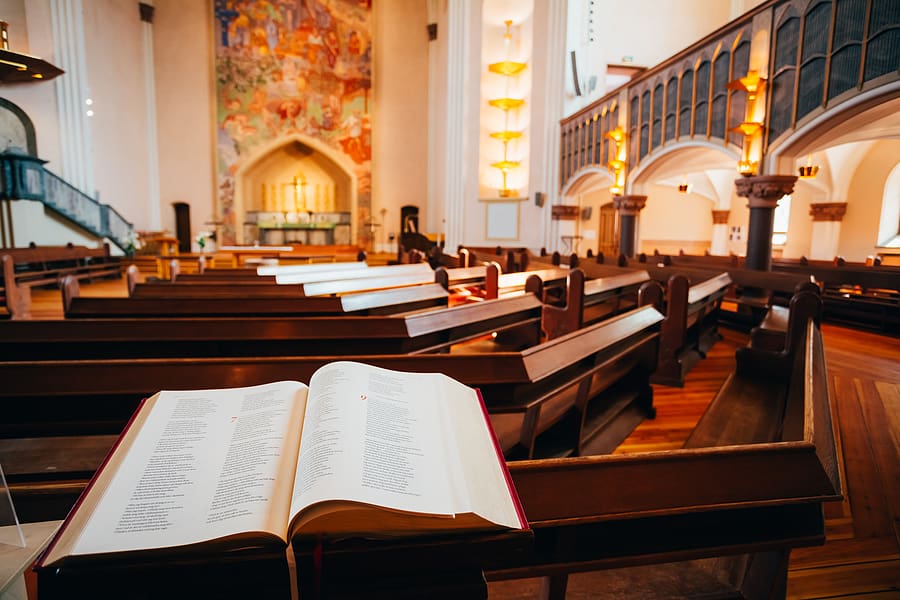

Church communities play an integral role in modern faith life, serving not just as centers for worship but as vital support systems for individuals and families. In an increasingly fragmented society, where individuals often feel disconnected and isolated, church communities offer a sense of belonging, shared purpose, and collective identity.
One of the primary functions of church communities is to provide emotional and spiritual support. In times of crisis, whether personal or communal, church members often come together to uplift one another. This support system can be crucial for individuals grappling with life’s challenges, such as illness, loss, or mental health struggles. The communal prayer, shared stories, and collective worship create a safe space for people to express their vulnerabilities and find solace in the understanding and compassion of others.
Moreover, church communities foster spiritual growth through shared learning and activities. Bible studies, discussion groups, and workshops enable congregants to engage in deeper understanding of their faith. This shared exploration cultivates a sense of accountability and encourages individuals to live out their faith in practical ways. Many churches also offer mentorship programs where seasoned members guide newer ones, thereby facilitating intergenerational relationships and wisdom transfer that enriches the community.
In addition to spiritual development, church communities often take on significant social roles. Many congregations are deeply involved in social justice, outreach, and community service. They drive initiatives such as food banks, shelters, and educational programs, actively working to address social issues and improve the lives of those around them. This outward focus not only benefits the broader community but also reinforces the values of compassion and service that are central to many faith traditions.
Furthermore, as society continues to evolve, church communities are adapting to meet the needs of modern believers. With the rise of digital communication, many churches have embraced technology to foster connection, engaging members through online services and social media platforms. This adaptability allows communities to reach a broader audience, especially younger generations who seek to connect on their own terms.
Finally, church communities encourage a sense of continuity and tradition amid societal change. They provide rituals and practices that mark important life events—such as baptisms, weddings, and memorials—with meaningful celebrations that help individuals navigate transitions in their lives.
In conclusion, church communities are indispensable to modern faith life. They not only nurture spiritual growth and promote emotional well-being but also serve as advocates for social justice and community service. In a world that often feels chaotic and disconnected, these communities offer a durable foundation of support, shared purpose, and continual faith exploration, making them vital for many individuals today.
For more details and the full reference, visit the source link below: