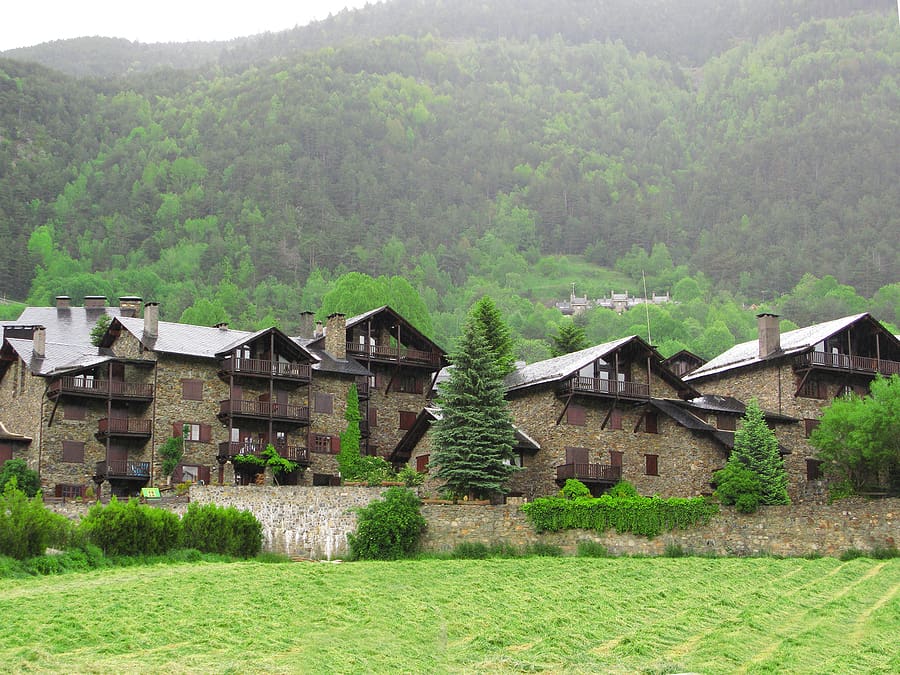

Mountain regions are increasingly becoming a popular choice for second homes, attracting buyers seeking respite from urban life. Several factors contribute to this trend, making these areas highly desirable.
Firstly, the allure of nature plays a significant role. Mountain regions offer breathtaking landscapes, fresh air, and outdoor activities that are often absent in city environments. Hiking, skiing, mountain biking, and fishing are just a few activities that draw individuals and families to these areas. The opportunity to engage with nature not only provides relaxation but also promotes a healthier lifestyle, encouraging physical activity and mental well-being.
Additionally, the rise of remote work has shifted priorities for many homebuyers. With the ability to work from anywhere, people are no longer tethered to urban offices. This newfound flexibility enables them to invest in second homes located in serene mountain settings. They can enjoy the peace of the mountains while maintaining their professional commitments, creating a perfect balance between work and leisure.
Moreover, mountain regions often foster a strong sense of community. Many towns in these areas pride themselves on their friendly and welcoming atmospheres. Buyers are looking for more than just a property; they seek a lifestyle. Communities in mountain regions frequently host local events, farmers’ markets, and outdoor festivals that allow residents to connect, forging lasting friendships and enriching their lives.
Affordability is another important factor driving the demand for second homes in mountain areas. Compared to coastal regions or major cities, many mountain homes offer more space and opportunities for customization at a lower cost. This financial aspect attracts homebuyers looking for value, especially as urban real estate prices continue to rise.
Investing in a second home in the mountains can also be seen as a strategic decision. Mountain properties often appreciate in value, particularly as more people discover the benefits of living in or retreating to these picturesque locales. Furthermore, many homeowners consider renting their properties when not in use, providing an additional stream of income.
Finally, the growing emphasis on sustainable living has led many to choose mountain homes that align with eco-friendly practices. Many developers and homeowners are opting for energy-efficient designs, using sustainable materials, and promoting conservation efforts, making mountain homes appealing to environmentally conscious buyers.
In conclusion, the combination of natural beauty, lifestyle changes due to remote work, community connection, affordability, investment potential, and sustainability make mountain regions an increasingly attractive choice for second homes. As people seek refuge from the hustle and bustle of city life, these tranquil, picturesque areas offer an ideal retreat, promising both relaxation and adventure.
For more details and the full reference, visit the source link below: