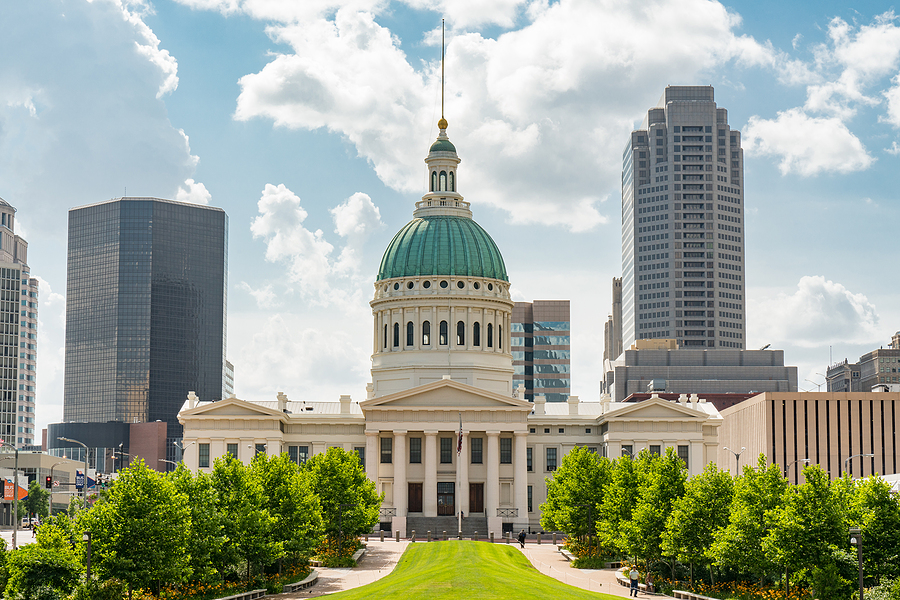

The exodus of restaurants from downtown St. Louis has raised concerns and debates about the future of the area, which once buzzed with culinary promise. Various factors contribute to this trend, all intertwined with the challenges facing urban centers.
One significant reason for this departure is changing demographics and consumer behavior. The COVID-19 pandemic shifted many workers to remote or hybrid models, resulting in reduced foot traffic during traditional lunch hours. Without a consistent customer base during the workweek, many restaurants struggled to maintain their sales figures. This decline in daytime business made it harder to cover operational costs, forcing some establishments to close or relocate to areas with better prospects.
Another critical factor is the increasing crime rate in downtown St. Louis. Reports of safety concerns, including vandalism and violent crime, have pushed both diners and restaurant owners away. When patrons feel uneasy visiting an area, even the most acclaimed dining options can suffer. Restaurant owners must weigh not just the dining experience but also the overall safety of their patrons and employees, leading some to seek refuge in neighborhoods perceived as safer.
The economic landscape has also played a considerable role. High rents and exorbitant operating costs plague many downtown businesses. This financial strain can be debilitating, especially for restaurants that often operate on thin margins. Owners are frequently faced with the choice of either hiking prices or accepting diminished profits, neither of which is a sustainable long-term strategy. Consequently, some establishments are looking for more affordable spaces outside the downtown core, where they can thrive without the overwhelming burden of costs.
Additionally, the pandemic has drastically altered the dining landscape, with more people gravitating towards suburban areas that offer a different feel, often featuring more space, outdoor dining options, and family-friendly environments. Restaurants in these regions tend to have a robust customer base that seeks convenience, making them attractive alternatives for expanding culinary ventures.
Lastly, the overall vibrancy of downtown St. Louis has waned in recent years. With fewer attractions or activities to draw people downtown, many restaurants are finding it increasingly difficult to justify their existence in an area lacking a lively atmosphere. Some entrepreneurs are opting to invest in neighborhoods that are experiencing revitalization or growth, hoping to capitalize on emerging trends rather than remaining stagnant in a declining market.
In conclusion, the exodus of restaurants from downtown St. Louis is a multifaceted issue. Factors such as changing work habits, safety concerns, economic pressures, and shifts toward suburban preferences contribute significantly to this trend. Whether this is a temporary phase or signals a long-term transformation in the urban dining landscape remains to be seen.
For more details and the full reference, visit the source link below: