
Why So Many Ladybirds? Causes and Solutions for Ladybird Swarms and Infestations
Ladybirds, or ladybugs as they are often called, are beloved for their distinctive colors and beneficial roles in gardens as natural pest controllers. However, as delightful as they are, the occurrence of ladybird swarms and infestations can become overwhelming for homeowners and farmers alike. Understanding the causes of these swarms and exploring potential solutions is vital for effective management.
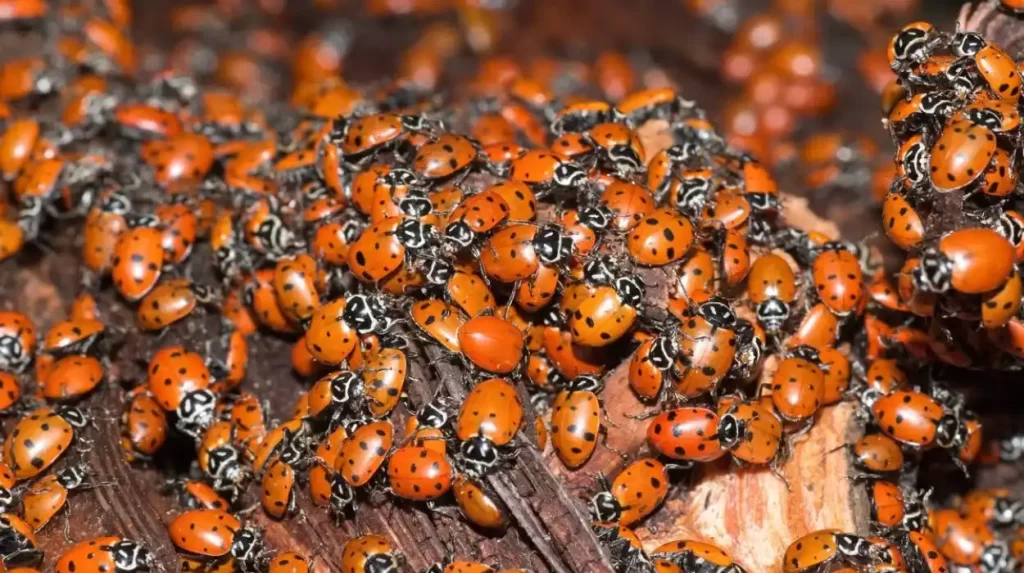
One of the primary reasons for ladybird swarming behavior is the search for a suitable hibernation site. As temperatures drop in late autumn, ladybirds instinctively gather in large groups to seek shelter. They prefer warm, dry spaces, often congregating around building eaves, window frames, or under garden debris. This behavior ensures their survival through winter, as they can huddle together to maintain warmth. The sheer numbers can create a daunting sight, leading many to perceive it as an infestation.
In addition to their natural hibernation instincts, ladybirds flourish in environments rich in food sources, particularly aphids. Gardens and agricultural settings that provide abundant food can attract large populations of ladybirds during the warmer months. This increase in population can culminate in significant swarms when conditions for reproduction and survival are optimal. Therefore, factors such as a mild climate, suitable food availability, and lack of natural predators can significantly contribute to ladybird overpopulation.
To manage ladybird swarms, one can adopt various strategies. Firstly, prevention is key. Homeowners should seal entry points in their properties to deter ladybirds from seeking shelter indoors. Applying weatherstripping around doors and windows and closing gaps in walls can significantly reduce the likelihood of an unwelcome influx.
In gardens, it’s advisable to implement integrated pest management practices. By controlling aphid populations through natural predators or organic methods, the food source for ladybirds is diminished. Regular monitoring and early intervention can help maintain balanced populations.
If an infestation does occur, non-lethal removal methods are preferable. Gently vacuuming ladybirds with a hose attachment can help relocate them outside without harm. Additionally, creating a designated winter space outdoors with suitable shelter can encourage ladybirds to overwinter away from homes.
Ultimately, while ladybirds are generally beneficial insects, their swarming behavior can pose challenges. Understanding the underlying causes, coupled with strategic management practices, can help mitigate their impact and ensure that gardens remain a welcoming environment for both these insects and other wildlife.
For more details and the full reference, visit the source link below: