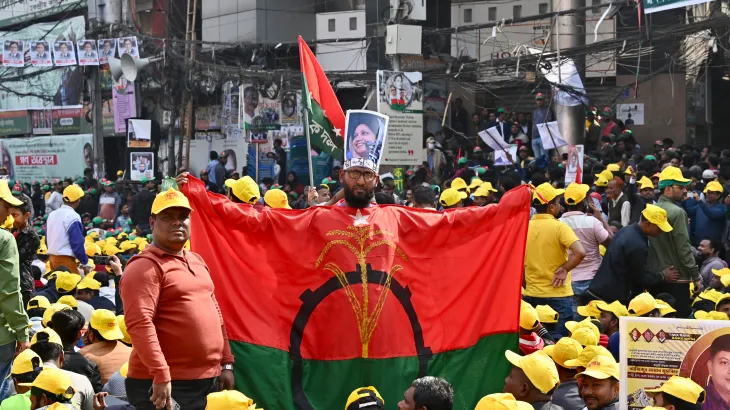

Tarique Rahman’s return to the political arena is a significant event, influencing not only the political landscape in Bangladesh but also the broader socio-economic environment. As the son of former Prime Minister Khaleda Zia, his re-emergence carries with it both deep-rooted political legacies and controversies. His presence resonates with a considerable segment of the electorate who view him as a potential leader capable of revitalizing the opposition against the ruling party.
One of the most striking impacts of Rahman’s return is the potential for increased political polarization. Bangladesh has seen significant political unrest over the years, often marked by clashes between the rival Awami League and the Bangladesh Nationalist Party (BNP), which Rahman represents. His leadership could bring a new vigor to the BNP, revitalizing its base and potentially leading to organized protests and civil disobedience movements. This renewed energy could serve to challenge the current government, raising tensions that could destabilize the already volatile political climate.
Moreover, Rahman’s return might reopen old wounds associated with his family’s contentious history in Bangladeshi politics. With allegations of corruption and misgovernance hanging over his head, his presence could reignite debates on accountability and transparency in governance. This might prompt the ruling party to intensify its scrutiny of the BNP, leading to a cycle of accusations and counter-accusations that may detract from pressing national issues, such as economic recovery and climate change.
In terms of economic implications, Rahman’s return could influence foreign investment in Bangladesh. Investors generally seek political stability; thus, a more politically charged environment could deter potential investments. However, if Rahman successfully positions himself as a reformist leader focused on development and anti-corruption measures, he could help create an environment conducive to foreign partnerships and investment. His ability to balance old loyalties with a vision for progress will be a critical factor.
Furthermore, Rahman’s return brings with it the potential to mobilize youth voters, a demographic that has increasingly become disillusioned with the current political framework. Modern campaigns leveraging social media and grassroots activism could be pivotal for the BNP, allowing it to resonate with younger citizens who are advocating for change. If successful, this could fundamentally alter the electoral landscape of Bangladesh, inspiring other political entities to adopt similar strategies.
In summary, Tarique Rahman’s return matters for multiple reasons—politically, socially, and economically. While it may heighten tensions and exacerbate existing divisions, it also presents an opportunity for renewed discourse and engagement in Bangladeshi politics. The singular impact of his re-emergence could be a turning point that defines the nation’s path in the coming years.
For more details and the full reference, visit the source link below:
Read the complete article here: https://brusselsmorning.com/why-tarique-rahman-return-matters/86599/