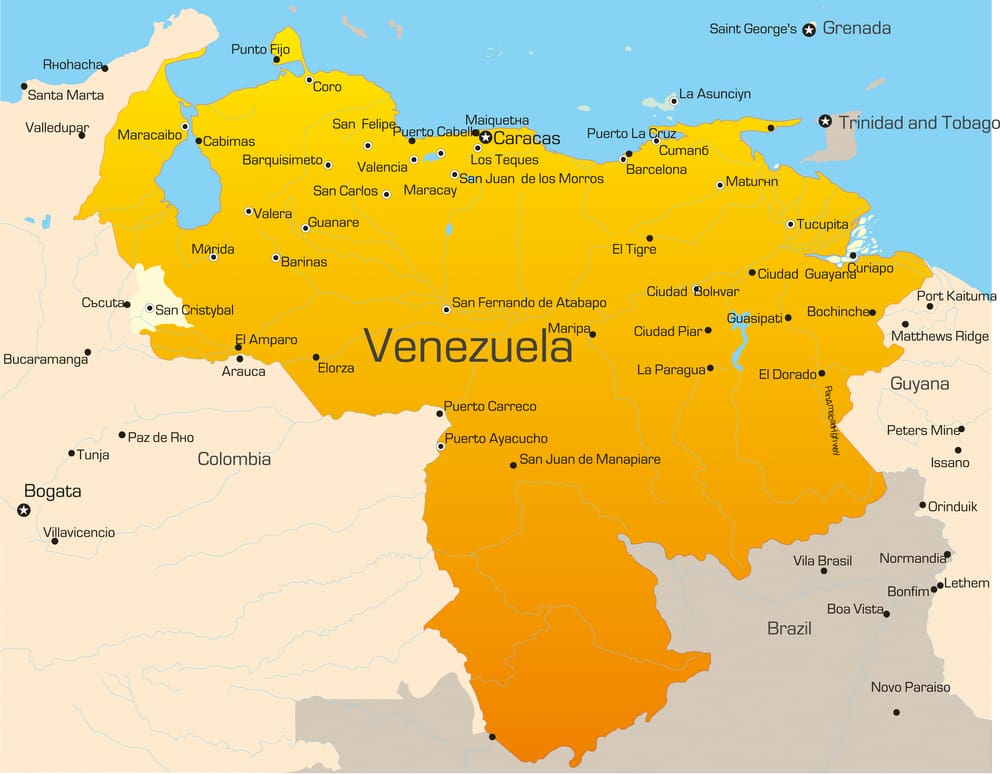

The escalating pressure from the United States on Venezuela is a multifaceted strategy rooted in concerns about democracy, human rights, and regional stability. This approach has manifested through economic sanctions, diplomatic isolation, and support for opposition leaders, primarily aimed at undermining the regime of Nicolás Maduro.
One of the primary justifications for U.S. actions is the deteriorating human rights situation in Venezuela. The Maduro government has faced accusations of severe human rights abuses, including political repression, extrajudicial killings, and the dismantling of democratic institutions. By amplifying its criticism and imposing sanctions, the U.S. aims to highlight these abuses on the global stage, rallying international coalitions to pressure Caracas into reform.
The U.S. has also concentrated on Venezuela’s oil production sector, which is crucial to the country’s economy. By imposing sanctions on state-owned oil companies and restricting access to global markets, the U.S. hopes to cripple the Maduro regime’s primary source of revenue. This strategy is intended to create economic pressure that could catalyze change within the country, as the regime faces mounting public discontent due to hyperinflation, food shortages, and widespread poverty.
Furthermore, U.S. involvement in Venezuelan politics is guided by the belief that a transition to democracy can be achieved through external support for opposition groups. Washington has provided financial and logistical backing to opposition leaders, notably Juan Guaidó, who emerged as a prominent figure in the fight against the Maduro government. The U.S. recognizes Guaidó’s potential to unify various factions within the opposition and to present an alternative vision for Venezuela that aligns with democratic principles.
The geopolitical context also plays a significant role in U.S. policy towards Venezuela. The region’s proximity to the U.S. makes developments in Venezuela particularly concerning; the potential for Russian and Chinese influence in the country alarms U.S. officials. As such, the U.S. seeks to counteract any external influence that could shift the balance of power in Latin America. This dynamic is particularly evident in U.S. efforts to assemble a coalition of regional partners to collectively address the crisis in Venezuela.
In summary, the United States is escalating pressure on Venezuela to address human rights abuses, undermine an authoritarian regime, and mitigate foreign influence in the region. While the efficacy of these measures remains hotly debated, they represent a comprehensive strategy aimed at fostering a potential democratic transition in Venezuela amidst one of the region’s most severe crises.
For more details and the full reference, visit the source link below: