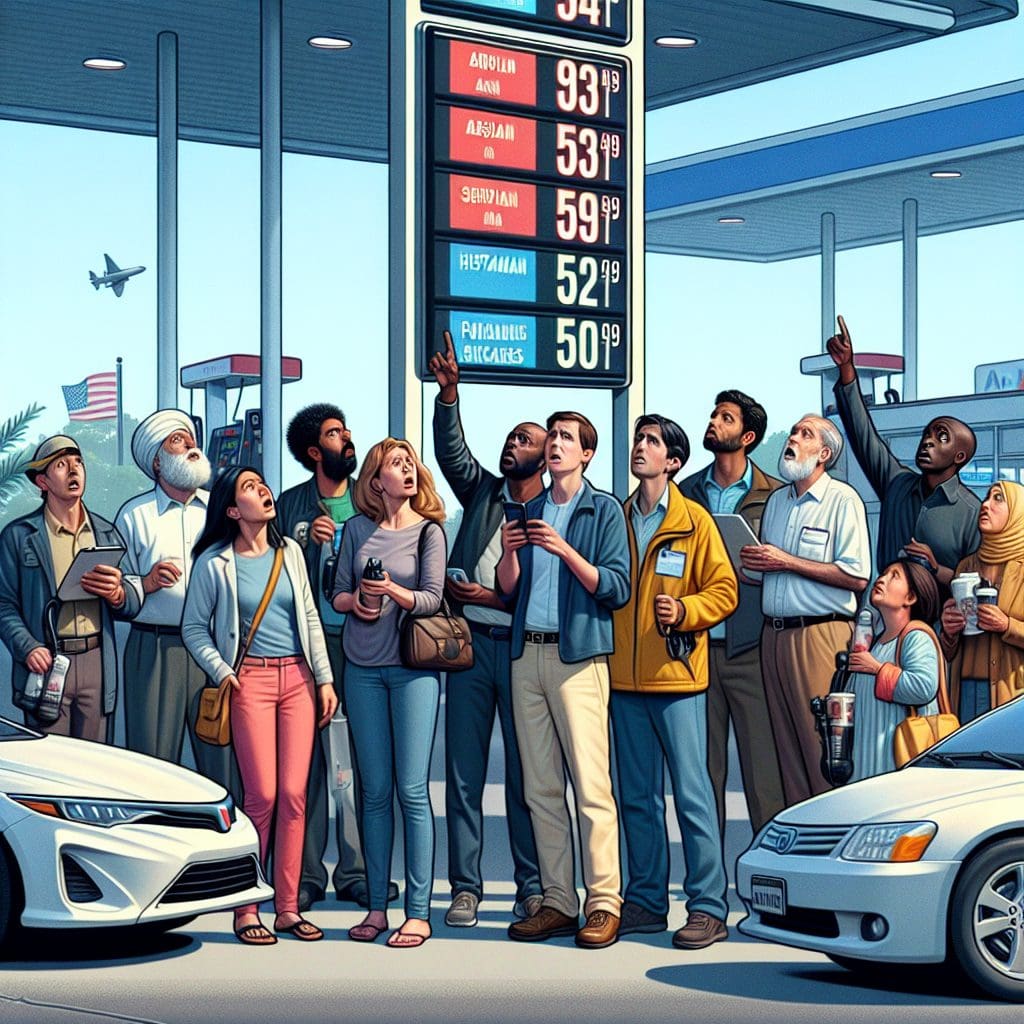

With the relentless rise in gas prices, ride-hailing drivers find themselves in a precarious position, battling not just the usual challenges of their gig economy jobs, but also the escalating costs at the pump. The financial squeeze is palpable, as a significant portion of their earnings is being siphoned away by fuel expenses. For many drivers, gasoline is one of the largest overhead costs, and with prices consistently escalating, the balance between profitability and sustainability in this profession has become increasingly delicate.
Rideshare platforms like Uber and Lyft offer flexible work opportunities, often attracting individuals looking for supplemental income or those requiring a flexible schedule. However, this flexibility comes at a cost, particularly when drivers must contend with fluctuating gas prices that can change day by day. Recent months have seen some regions experience gas prices reaching all-time highs, compelling drivers to rethink their workflows. Strategic decisions, such as choosing which areas to drive in or when to work, become critical as drivers attempt to maximize their earnings while minimizing fuel consumption.
Furthermore, many drivers have reported feelings of frustration and helplessness. The platform fees that rideshare companies take from each fare add an additional layer of complexity, leaving less for drivers after paying for gas and other related expenses. It becomes a vicious cycle: as gas prices rise, drivers may need to work longer hours just to maintain their previous earnings, which could lead to burnout or dissatisfaction. The allure of flexibility can quickly turn into a burden when financial pressures mount.
In response to these challenges, some drivers have begun exploring alternative strategies to mitigate fuel costs. This includes opting for fuel-efficient vehicles, carpooling for shared rides, or even using apps that help track gas prices to find the most affordable options. However, these solutions can only go so far. The need for action beyond individual strategies is apparent; discussions about fare increases or fuel surcharges continue to surface in community forums. Drivers are advocating for better support from the rideshare platforms they work for, pushing for adjustments that would acknowledge the current economic landscape.
Ultimately, the ride-hailing ecosystem is at a crossroads. The increasing gas prices serve as a stark reminder of the broader economic issues impacting everyday workers. As drivers continue to shoulder the burden of rising operational costs, the conversation about fair compensation, driver welfare, and sustainable practices becomes increasingly urgent. Without meaningful change, many may find the gig they once embraced no longer serves them, leading to potential shifts in the rideshare landscape.
For more details and the full reference, visit the source link below: