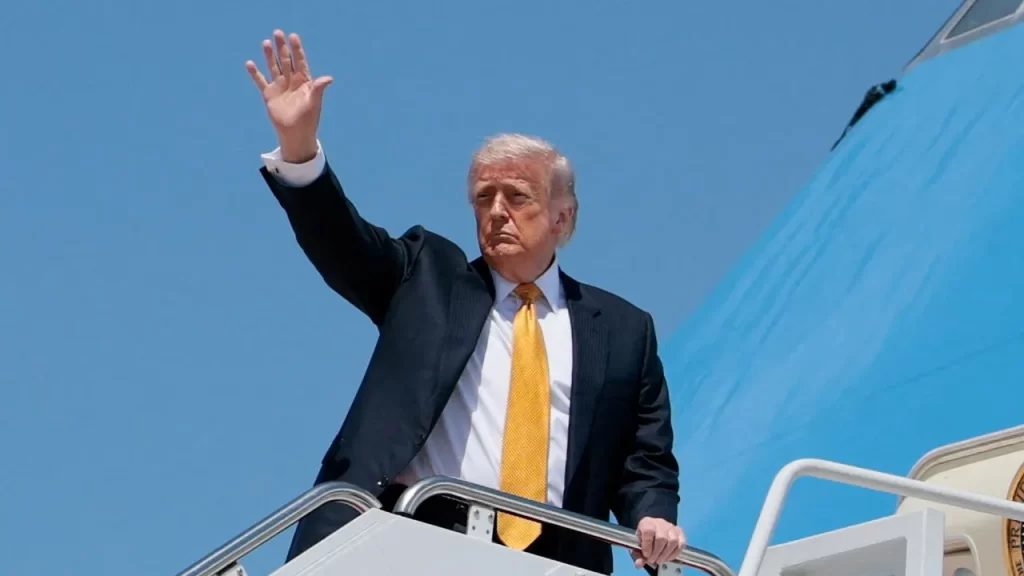

World’s Two Largest Powers Prepare to Negotiate as Trump Heads to Beijing
Introduction
As the world watches closely, the two largest economies—China and the United States—are gearing up for high-stakes negotiations. This diplomatic engagement is pivotal, not only for the two nations but also for the global economy at large. President Donald Trump’s forthcoming visit to Beijing marks a significant moment in U.S.-China relations, with potential implications for trade, security, and international diplomacy.
Understanding the Context
The Trade War
In recent years, the U.S.-China relationship has been strained due to an escalating trade war. Tariffs were imposed on billions of dollars worth of goods, leading to a tit-for-tat response from both sides. The U.S. accuses China of unfair trade practices and currency manipulation, while China insists that these tariffs hurt both economies. As Trump prepares to meet Chinese President Xi Jinping, both leaders understand that resolution is essential to restore economic stability.
The Stakes
The stakes couldn’t be higher. The U.S. seeks to reduce its trade deficit with China, which stood at approximately $375 billion in 2017. Conversely, China is eager to maintain its economic growth and strengthen its global standing. Beyond economic concerns, the negotiations also touch on security matters, particularly in the South China Sea and North Korea’s nuclear ambitions.
Key Issues on the Table
Tariffs and Trade Barriers
One of the primary issues for negotiation will be tariffs. Trump’s administration has been vocal about imposing tariffs on Chinese imports to encourage American manufacturing. However, these tariffs have sparked backlash from American consumers and businesses. The upcoming discussions will require both nations to find a middle ground that fosters fair trade practices while avoiding detrimental economic impacts.
Intellectual Property Rights
Intellectual property theft remains a contentious issue. Many U.S. companies claim that their innovations are being compromised due to China’s lax regulations and enforcement. American negotiators will likely push for stronger protections for intellectual property, while China may aim to allay these concerns through new commitments and reforms.
Currency Manipulation
Currency valuation plays a crucial role in trade balances. The U.S. alleges that China manipulates its currency to make exports cheaper and imports more expensive. Addressing this issue may involve negotiations around greater transparency in China’s foreign exchange policies, encouraging a more market-driven approach.
The Role of Global Markets
Economic Ripple Effects
The outcome of these negotiations will have wide-ranging effects on global markets. Investors are keenly observing how the discussions unfold, as any decision could impact stock markets, commodity prices, and global supply chains. A positive negotiation result could bolster investor confidence, while a failure could trigger market volatility.
Allies and Adversaries
The negotiations will not occur in isolation. U.S. allies, particularly those in the Asia-Pacific region, are closely monitoring the situation. Countries like Japan, South Korea, and Australia, which have robust trading ties with both the U.S. and China, will be affected by whatever agreements are reached. Diplomatic maneuvering among these nations will be essential to maintaining regional stability.
The Diplomatic Landscape
Previous Attempts at Negotiation
Historically, U.S.-China negotiations have seen mixed results. Previous talks have often ended in stalemate, leading to further tariffs and heightened tensions. However, recent efforts have aimed to create more of an ongoing dialogue rather than a single high-stakes summit. The continuity in discussions could provide a platform for gradual improvements in their relationship.
Public Sentiment and Political Pressures
Both leaders are operating under considerable public and political pressures. Trump is keen on demonstrating his prowess as a negotiator, especially as he faces domestic challenges. Meanwhile, Xi is aiming to consolidate his position both internationally and at home. Balancing domestic demands with international diplomacy creates a complex backdrop for their negotiations.
Future Implications
Long-term Economic Effects
The ramifications of the negotiations will extend beyond immediate trade balances. A successful agreement could foster long-term economic partnerships and innovation collaborations between the two nations. Conversely, a breakdown in talks could lead to a long-standing rift, affecting global economic stability.
Geopolitical Dynamics
The negotiations are not just about trade; they impact the broader geopolitical landscape. A united front or a divided stance from the two largest economies can shift global alliances and security strategies. Nations around the world are weighing their options, drafting responses and proactively positioning themselves based on the outcomes of U.S.-China negotiations.
Conclusion
As President Trump heads to Beijing for this crucial meeting, the world holds its breath in anticipation of the potential outcomes. The negotiations present a unique opportunity for both nations to re-evaluate their relationship and address pressing global issues. Success is contingent upon diplomacy, compromise, and the willingness to engage in constructive dialogue. While the road ahead may be fraught with challenges, the future of global economics and politics often hinges on such pivotal moments.
SEO Optimization Tips
To ensure this article reaches a wider audience, it’s crucial to optimize it for search engines. Here are a few key strategies:
- Keyword Usage: Focus on relevant keywords such as “U.S.-China negotiations,” “Trump Beijing visit,” and “trade war consequences.”
- Meta Description: Create a compelling meta description that summarizes the article and encourages clicks.
- Headings and Subheadings: Use clear, concise headings to enhance readability and to help search engines understand the structure of the content.
- Internal and External Links: Include links to related articles for additional context, and reference authoritative sources to enhance credibility.
- Images and Alt Text: Incorporate relevant images with descriptive alt texts to further improve SEO performance.
By focusing on these strategies, this article can effectively engage readers while also performing well in search engine rankings.