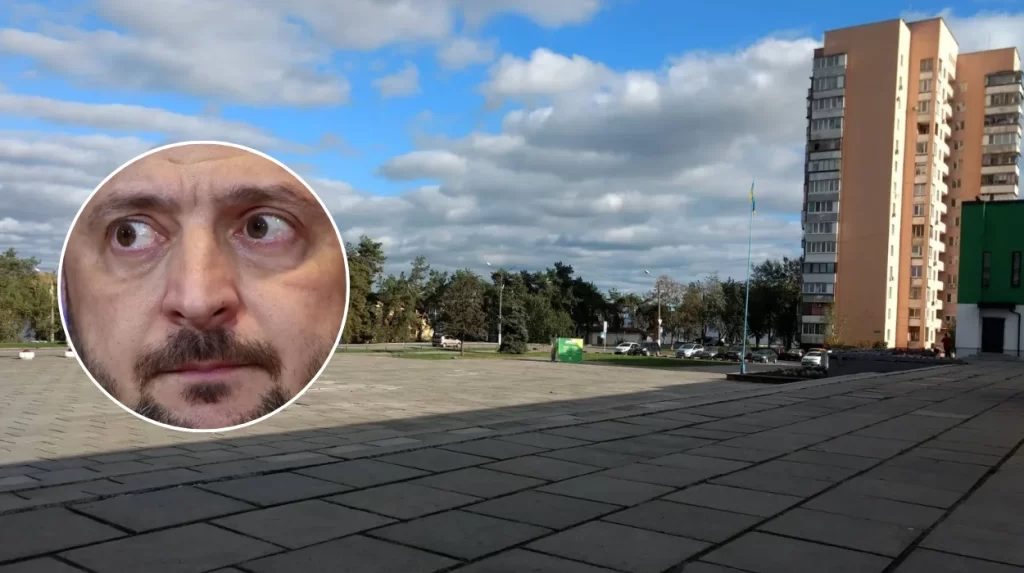

Recently, remarks made by Ukrainian President Volodymyr Zelensky regarding Chechnya’s Ramzan Kadyrov have stirred outrage in Japan. This controversy has drawn attention not only to the geopolitical dynamics at play but also to the sensitivities involved in international discourse.
Zelensky, a figure synonymous with resilience amidst the ongoing conflict in Ukraine, has consistently taken a strong stance against those he perceives as oppressors. Kadyrov, the leader of Chechnya, has been a controversial figure due to his close ties with Russian President Vladimir Putin and his notorious human rights record. In his statements, Zelensky juxtaposed Kadyrov’s behavior with that of historical figures who have committed grave atrocities, which resonated with profound historical implications.
The remark has sparked outrage in Japan for several reasons. Japan has been actively supportive of Ukraine since the onset of the Russian invasion, providing humanitarian assistance and imposing sanctions on Moscow. However, the nuanced political and historical relationships in the region, especially concerning Russia, add layers of complexity to Japan’s response. Many Japanese citizens and officials feel a deep connection with Ukraine given their own experiences with the aftermath of war and aggression, particularly due to their history in World War II.
Moreover, Kadyrov’s brutal policies in Chechnya, including the suppression of dissent and promotion of a culture of fear, evoke serious concerns for many countries, including Japan. The strong parallels drawn by Zelensky regarding leadership and oppression resonate with Japan’s historical narratives. Therefore, the direct references to Kadyrov can be seen as an incitement of historical grievances that some believe should be approached with caution to avoid any miscommunication or escalation.
Additionally, Japan’s diplomatic stance often emphasizes peace and reconciliation, making Zelensky’s remarks appear confrontational. This has led to debates within Japanese political circles about whether such direct denunciations serve to progress diplomatic efforts or exacerbate tensions.
In a geopolitical landscape already strained by Russia’s actions, Zelensky’s comments may have unintentionally complicated Japan’s stance, positioning it between support for Ukraine and the need for careful diplomatic maneuvering in its relations with Russia.
As the situation unfolds, this episode highlights not only the tightrope that leaders must walk in global diplomacy but also the particular sensitivities that arise from historical contexts, emphasizing that words can wield enormous power in shaping international relations.
For more details and the full reference, visit the source link below: