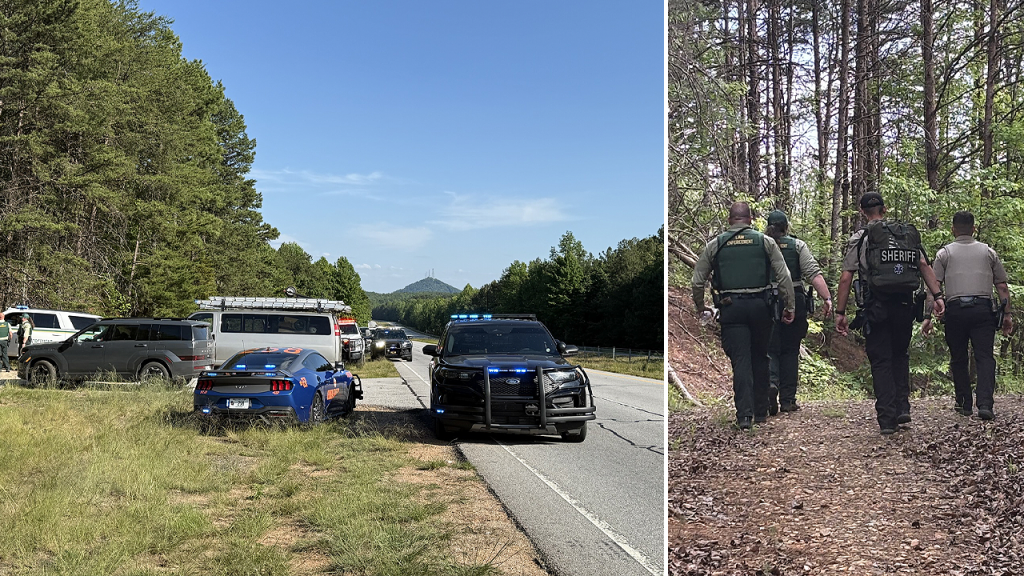

25 Illegal Immigrants Including Felons Arrested in Georgia Forest Sweep: A Detailed Overview
In a recent operation in Georgia, law enforcement agencies arrested 25 illegal immigrants, some of whom are reportedly felons. This significant event has raised numerous questions regarding immigration policies, public safety, and law enforcement tactics. This article delves into the details of the arrest, its implications, and the broader context of immigration in the United States.
Background of the Operation
The sweep took place in a wooded area of Georgia, known for being a hidden refuge for several undocumented immigrants. This operation was executed by a combined task force, including local police and federal immigration officers, who aimed to identify and apprehend individuals living in the country illegally. The decision to conduct such an operation stems from ongoing concerns surrounding crime, public safety, and illegal immigration.
The Arrest Details
According to local police reports, the sweep led to the arrest of 25 individuals. Among these detainees, a notable number have criminal records, including serious felonies. The local police emphasized that this operation was not just a random sweep to find illegal immigrants; it was focused on apprehending individuals who posed a potential threat to community safety.
Quantity and Profile of the Detainees
Approximately half of those arrested had previous felony convictions ranging from drug offenses to violent crimes. Police officials stated that targeting felons among the undocumented population is crucial to ensuring community safety. However, these operations often spark debates regarding the balance between enforcing immigration laws and respecting human rights.
Broader Implications of the Sweeps
The arrest operation has several wide-ranging implications.
Community Trust and Safety
Local communities often express concern about the potential for fear and mistrust that may arise as a result of aggressive immigration enforcement. Many undocumented immigrants contribute positively to their communities, often working in essential jobs. Law enforcement agencies must navigate the delicate balance of maintaining public safety while fostering trust within diverse communities.
Legal and Ethical Considerations
The legality of such sweeps raises ethical questions and could lead to potential legal challenges. Critics argue that targeting individuals solely based on their immigration status might violate civil rights protections. As such, these operations could also face scrutiny from civil rights organizations and advocacy groups concerned with the treatment of immigrants.
The National Context of Immigration Enforcement
Current U.S. Immigration Policy
Immigration enforcement practices have undergone significant changes in recent years, influenced by political climate and public sentiment. Policies toward illegal immigration have shifted, affecting how local and federal agencies operate. The Georgia sweep is just one example of a trend seen across various states where similar operations are carried out.
Ongoing Debates on Immigration Reform
The broader national conversation around immigration reform continues to evolve. Advocates for undocumented immigrants call for pathways to legality, while opponents often emphasize the need for stricter border security and enforcement. These differing stances add complexity to discussions surrounding immigration reform, community safety, and law enforcement protocols.
Community Reactions
Public and Local Government Responses
The response from the local community has been mixed. Some residents commend the police for taking action against individuals who may endanger public safety, asserting that felons should not evade justice due to their immigration status. Conversely, advocates for immigrants argue that the arrests could lead to heightened fear among undocumented populations, dissuading them from reporting crimes or cooperating with law enforcement.
Impact on Local Immigrant Communities
The ramifications of such operations can profoundly affect local immigrant communities as well. Many may live in fear of deportation, leading to potential barriers in accessing essential services, including healthcare and education. This fear often exacerbates social isolation and economic instability among marginalized populations.
The Role of Law Enforcement
Training and Practice
Law enforcement agencies engage in various training programs to prepare officers for dealing with complex situations involving immigrants. These training sessions focus not only on immigration laws but also on cultural sensitivity. Such training becomes crucial when working within diverse communities to foster understanding and cooperation.
Collaborative Efforts with Federal Agencies
In carrying out these operations, local law enforcement often collaborates with federal agencies such as Immigration and Customs Enforcement (ICE). These partnerships raise questions about jurisdiction and the roles of various agencies in maintaining public safety versus enforcing immigration laws.
Conclusion: The Path Forward
The Georgia forest sweep, leading to the arrest of 25 illegal immigrants, including felons, underscores the ongoing challenges and complexities surrounding immigration enforcement in the U.S. Balancing community safety, legal rights, and ethical considerations demands a nuanced and thoughtful approach from law enforcement, policymakers, and community leaders.
As the country continues to grapple with immigration issues, dialogue and understanding are essential to find solutions that respect human rights while ensuring public safety. The ongoing debates surrounding these matters will shape future policies and practices, impacting countless lives across the nation.
The key takeaway from this operation is that immigration and law enforcement practices need to evolve alongside community needs, ensuring safety without compromising on humanity and dignity.