
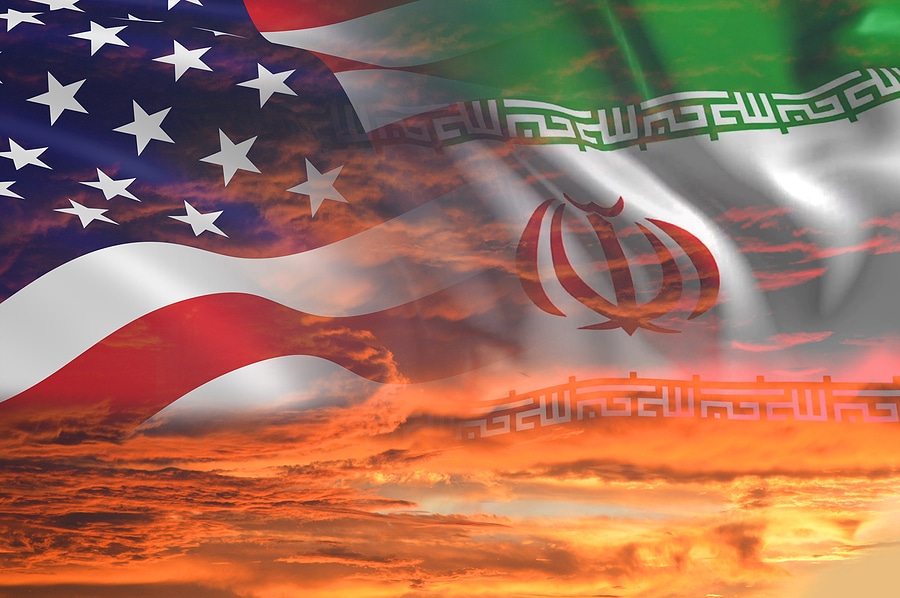

The U.S.-Iran relationship has long been characterized by tension, punctuated by episodes of hostility that echo throughout the region, particularly in the strategically vital Strait of Hormuz. The recent Islamabad Memorandum of Understanding (MoU) represents a potential pivot toward de-escalation, focusing on diplomatic dialogue, economic engagement, and enhanced regional security cooperation.
The Strait of Hormuz is often regarded as the world’s most critical maritime chokepoint, through which about 20% of global oil passes. Given its geopolitical significance, any skirmish or misunderstanding between the U.S. and Iran in this region can have far-reaching consequences for global markets and international relations. The MoU, signed during indirect talks facilitated in Islamabad, aims to foster an environment where both nations can mitigate misunderstandings and reduce the potential for military confrontations.
This recent agreement comes amid changing geopolitical narratives, wherein both countries find themselves grappling with internal pressures and external diplomatic challenges. For the U.S., the priority has been ensuring the free navigation of vessels in the Strait while maintaining alliances with regional partners. On the other hand, Iran faces economic challenges exacerbated by sanctions and seeks to assert its regional influence without triggering military responses from the U.S.
The Islamabad MoU includes several key components designed to enhance communication channels between U.S. and Iranian military and intelligence bodies. Establishing a real-time communication framework is vital for preventing miscalculations, especially in tense situations where naval encounters could escalate into broader conflicts. Furthermore, the MoU emphasizes shared interests in combatting piracy and ensuring oil security, areas where both nations have something to gain by cooperating.
However, the effectiveness of the MoU hinges on the will of both countries to adhere to its terms amid the backdrop of deeply entrenched ideological differences and mutual distrust. Critics argue that the MoU might merely serve as a temporary band-aid rather than a comprehensive solution to the underlying issues. The risk of hardliners undermining diplomatic efforts remains a constant threat, especially in the context of domestic politics in both nations.
In conclusion, while the Islamabad MoU represents a significant step toward U.S.-Iran de-escalation, the success of this initiative will depend on sustained diplomatic engagement and leadership from both sides. The volatile dynamics in the Strait of Hormuz necessitate continuous dialogue, not only to promote regional stability but also to ensure the security of global oil supplies. As the situation evolves, the world watches closely, hoping for a peaceful resolution that could redefine U.S.-Iran relations in the years to come.
For more details and the full reference, visit the source link below:
Read the complete article here: https://www.stl.news/u-s-iran-de-escalation-inside-the-islamabad/


