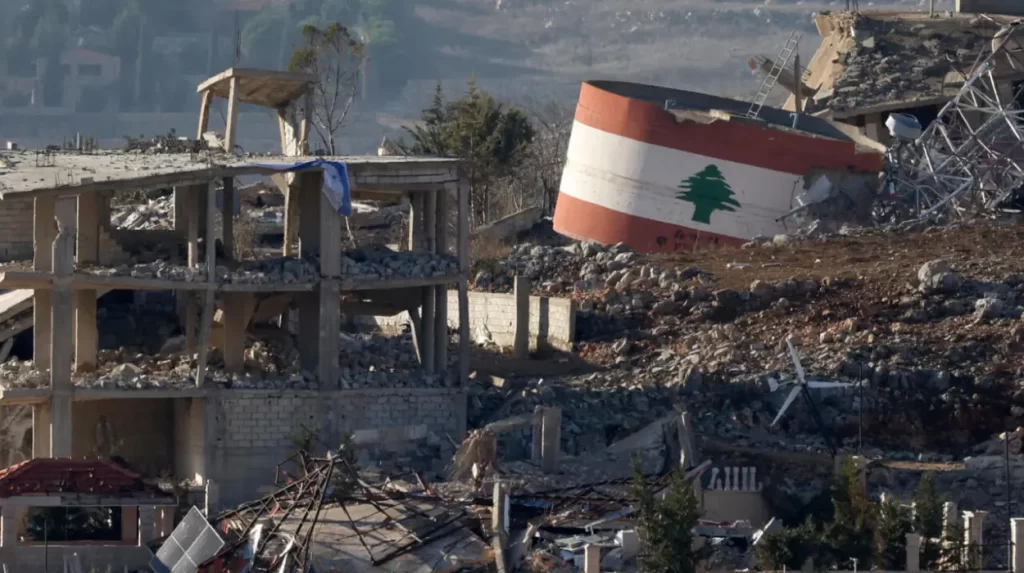

The recent talks between Israel and Lebanon, aimed at resolving longstanding border disputes and improving diplomatic relations, have gained urgency amidst persistent ceasefire violations. Both nations have historically experienced tension, primarily rooted in territorial disagreements and security concerns. The context for these discussions is further complicated by a series of incidents that have threatened to escalate the already fragile situation.
The border dialogues, focusing on maritime boundaries and the delineation of land boundaries, are crucial as they intersect with greater geopolitical interests, including natural gas reserves in the Mediterranean Sea. These resources are vital not only for both countries but also for regional allies and international stakeholders. In recent months, the discovery of undersea natural gas fields has heightened competition and urgency, prompting both nations to engage in negotiations that could potentially stabilize the region.
However, the effectiveness of these talks is jeopardized by ongoing ceasefire violations. Reports from the United Nations and various human rights organizations indicate a rise in skirmishes along the shared border, with both sides accusing the other of breaching ceasefire agreements. Such incidents undermine trust and complicate the diplomatic process. For instance, exchanges of artillery fire and rocket launches have been reported, resulting in casualties and escalating tensions. These violations not only reflect the persistent animosity between the two nations but also pose significant challenges to the broader peace efforts in the region.
International actors, including the United States and European Union, have been closely monitoring the situation, recognizing that a stable Israel-Lebanon relationship is pivotal for regional security. Both nations have expressed a desire to avoid conflict, yet the cycle of violence and retaliation makes diplomatic progress precarious. The international community has urged restraint and emphasized the importance of dialogue as a means to de-escalate tensions.
The current talks have the potential to foster a framework for long-lasting peace; however, achieving meaningful outcomes will require both sides to make significant concessions and engage in good-faith negotiations. As ceasefire violations continue, there is a pressing need for both Israel and Lebanon to prioritize diplomatic dialogue over military posturing. Only through sustained engagement and a commitment to resolving their differences can both countries hope to achieve a more peaceful coexistence and open pathways toward greater regional stability.
In conclusion, while the Israel-Lebanon talks represent a critical opportunity for reconciliation, the specter of ceasefire violations looms large. Sustained diplomatic efforts, backed by international support, will be essential in navigating these turbulent waters and fostering a more secure future for both nations.
For more details and the full reference, visit the source link below: