
In 2026, Iran faced unprecedented demonstrations that spiraled into a severe crisis, reflecting deep-seated grievances among its populace. The protests erupted primarily in response to escalating economic hardships, government repression, and the demand for greater political freedoms. What began as peaceful assemblies devolved into widespread unrest, catalyzing a nationwide movement that shook the foundations of the Iranian regime.
The Iranian economy had been struggling for years, burdened by international sanctions, mismanagement, and the impact of climate change on agriculture. Inflation soared, with food and fuel prices becoming unaffordable for the average citizen. Sectors like healthcare and education deteriorated, leading to a growing disillusionment with the government’s ability to provide basic services. The anger reached a boiling point as citizens demanded accountability and change.
The demonstrations quickly garnered support from diverse segments of society, including women, youth, and ethnic minorities. Social media played a critical role in mobilizing people and spreading messages of solidarity. Styled as a fight for human rights, the protests included calls for gender equality, environmental protection, and an end to systemic corruption. Activist groups, previously silenced, emerged with renewed vigor to amplify the voices of those who felt marginalized.
In response, the Iranian government resorted to heavy-handed tactics. Security forces were deployed across major cities, utilizing tear gas, rubber bullets, and live ammunition to suppress dissent. This violence only escalated tensions, leading to a cycle of protests and crackdowns that engulfed the nation. Reports of human rights abuses surged, with international organizations condemning Iran’s response. Global outcry grew, calling for an end to the violence and urging the regime to address the underlying issues fueling discontent.
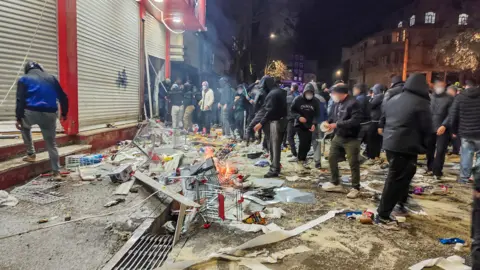
Amid the chaos, political factions within Iran struggled to respond cohesively. Reformists and hardliners clashed over how to handle the situation, leading to further instability. As repression intensified, some protesters escalated their tactics, engaging in clashes with security forces and targeting government properties. The crisis deepened, and the potential for a more organized opposition began to emerge, challenging the status quo.
As the domestic situation unraveled, regional and international implications of the unrest became apparent. Countries in the Middle East watched closely, weighing their responses and possible alliances. The possibility of external intervention loomed, complicating an already volatile scenario.
In the face of this crisis, the Iranian people’s resilience became evident. The demonstrations of 2026 marked a pivotal moment in Iran’s history, shining a light on decades of grievances and paving the way for a broader conversation about governance, rights, and the future of the nation.
For more details and the full reference, visit the source link below: