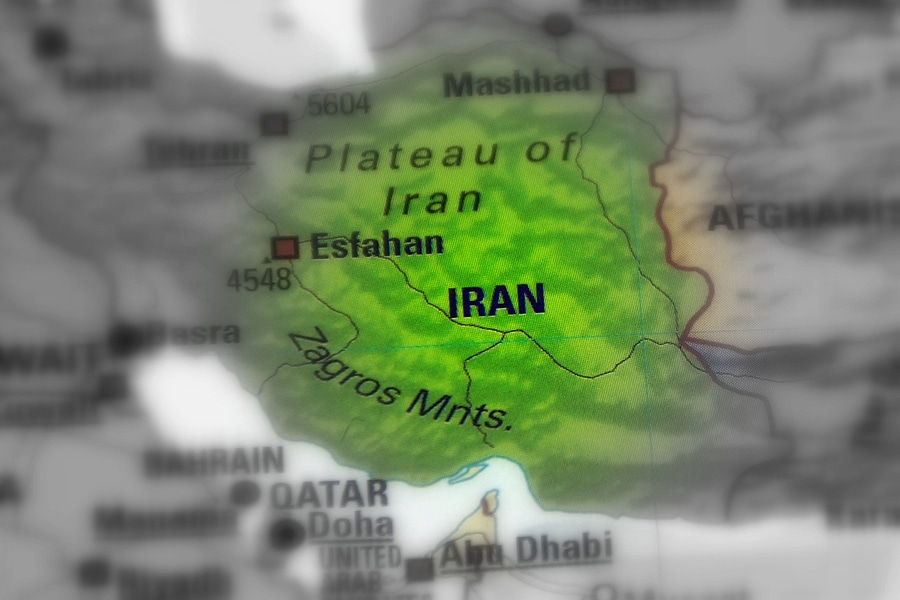

As international diplomatic efforts intensify, the negotiations between the United States and Iran have entered a critical phase. The world watches closely as both nations strive to reach a framework agreement that could reshape geopolitical dynamics in the Middle East and beyond. The stakes are high, with the potential for a renewed nuclear framework that may not only impact regional security but also global energy markets and international relations.
Iran’s nuclear program has long been a point of contention between the Islamic Republic and Western nations, particularly the U.S. The Joint Comprehensive Plan of Action (JCPOA), established in 2015, aimed to limit Iran’s nuclear capabilities in exchange for sanctions relief. However, the U.S. withdrawal from the agreement in 2018 under the Trump administration escalated tensions, leading Iran to resume enriching uranium beyond the limits set by the JCPOA. This cycle of escalation has heightened fears of a nuclear-armed Iran, prompting renewed negotiations in recent months.
Both sides face political pressures that complicate the talks. For the U.S., domestic opposition and concerns over Iran’s regional influence pose significant challenges. Meanwhile, Iran is dealing with economic pressures exacerbated by sanctions and a populace increasingly frustrated with the government’s economic mismanagement. As negotiators strive for a middle ground, they must navigate these domestic landscapes to ensure any agreement is sustainable.
Key issues on the table include Iran’s uranium enrichment activities, the status of sanctions, and regional security concerns, such as Iran’s support for proxy groups in countries like Yemen and Syria. The U.S. seeks verifiable assurances that Iran will not pursue nuclear weapons, while Iran insists on the lifting of sanctions that cripple its economy. The interplay of these demands creates a complex environment where both sides must demonstrate flexibility to reach an accord.
The potential framework agreement could set the stage for broader discussions about regional security and cooperation. A successful negotiation might allow for additional dialogues on issues like missile development and territorial conflicts, fostering a more stable Middle East. Conversely, a failure to reach an agreement could exacerbate tensions, leading to an escalation of military confrontations or a renewed arms race.
In conclusion, as U.S.-Iran negotiations reach this pivotal moment, the implications for global security, economic stability, and diplomatic relations are profound. The prospect of a framework agreement offers hope, but it remains contingent on both nations’ ability to compromise and address mutual concerns. The world holds its breath, awaiting the outcome of these critical discussions, which may define the geopolitical landscape for years to come.
For more details and the full reference, visit the source link below: